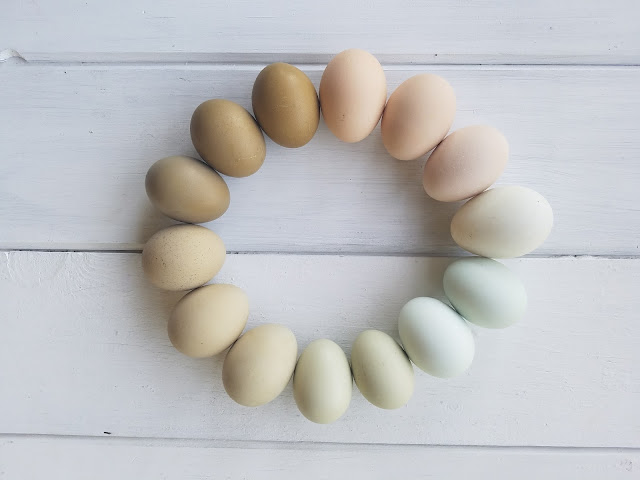

If you’ve ever dreamed of collecting a rainbow of eggs from your backyard flock, you’re not alone. While most people think chickens only lay white or brown eggs, the reality is far more colorful. Understanding which breeds produce which egg colors is the first step toward building a diverse, visually stunning collection of fresh eggs. This guide breaks down the genetics and characteristics of each colored-egg breed so you can make informed decisions about which chickens to add to your homestead.
Understanding Chicken Egg Color Genetics
Egg color is determined by genetics and pigments deposited during shell formation. Learn the key principles that determine what color eggs your flock will produce.
Key Concepts
- Blue/Green Egg Gene – A dominant genetic trait found in South American chicken breeds that produces blue pigment called oocyanin, resulting in blue or green shells
- Brown/Pink Pigment – Determined by breeds carrying protoporphyrin pigments that create shades from light pink to dark chocolate brown
- Breed Purity – Crossbred chickens may produce intermediate colors, while purebred birds reliably produce their signature egg colors
- Hen Health and Diet – Nutrition and age affect shell pigment intensity and consistency, with younger hens typically laying darker, richer colors
Principles
Recognize Blue Egg Producers
Araucana and Ameraucana breeds carry the blue egg gene, which deposits a blue-green pigment layer throughout the shell. These South American heritage breeds were the original source of colored eggs in the United States. Both breeds will reliably produce blue or blue-green eggs regardless of hen age, though intensity may vary slightly between individual birds.
Identify Green Egg Layers
Green eggs result when a hen carries the blue egg gene but also has brown pigment genetics. Crossing Araucana or Ameraucana birds with brown-egg layers produces green-egg chickens. The intensity ranges from sage to olive to darker forest green, and these hybrids often lay at excellent rates.
Understand Pink and Light Brown Variations
Breeds like Buff Orpington, Cochin, and Sussex chickens produce pink or light brown eggs through their brown pigment genetics. These are sometimes called ‘terracotta’ or ‘mauve’ eggs. The lighter pink shades come from breeds with reduced pigment concentration, while heavier pigmentation creates deeper peachy-brown tones.
Learn Dark Chocolate Egg Production
Marans, Welsummer, and Penedesenca breeds are famous for their dark, rich chocolate-brown eggs. This deep coloration comes from concentrated protoporphyrin deposits on the shell. Marans lay the darkest eggs, while Welsummers produce slightly lighter, more reddish-brown tones with distinctive speckled patterns.
Account for Individual Variation
Even within a single breed, egg color can vary between individual hens and across a hen’s laying cycle. A Marans hen might lay very dark eggs early in the season, then gradually lighter eggs as she ages. This natural variation is part of the charm of keeping heritage and specialty breeds.
Test Heritage vs. Standard Breeds
Heritage and specialty breeds maintain egg color genetics more consistently than production hybrids. If egg color consistency is important to your homestead goals, prioritize purebred birds from reputable breeders who specifically select for color traits over maximum egg production.
Plan Your Rainbow Flock
To achieve a true rainbow of eggs, you’ll need a mix of breeds: Araucanas or Ameraucanas for blue, green-egg hybrids, pink-egg layers like Sussex, and dark brown producers like Marans. Start with 2-3 hens of each color preference to account for natural variation and ensure reliable colored-egg production.
- Buy directly from specialty breeders rather than hatcheries if you want guaranteed egg color consistency, as commercial operations sometimes prioritize production over purity
- Keep a simple egg color journal for the first month–note breed, hen name, and actual shell color to understand the natural variation in your specific flock
- Plan for seasonal color shifts: many heritage breeds lay darker, richer colors in spring and fall, with lighter tones during summer and winter stress periods
What to Look For When Selecting Colored-Egg Chicken Breeds
- Breed Purity and Documentation: Purchase from breeders who provide hatch records or pedigree information, ensuring you’re getting true blue, green, or dark brown egg layers rather than crossbreeds that may produce unpredictable colors.
- Climate Hardiness: Some colored-egg breeds like Araucanas originate from cold mountain climates while others need protection in extreme heat. Match your breed selection to your local climate to ensure both productivity and bird welfare.
- Temperament and Handling: Certain heritage breeds can be flighty or broody. Research whether you want calm backyard pets or more independent foragers, as this affects your daily management and egg consistency.
- Laying Consistency and Rate: Heritage breeds typically lay fewer eggs than commercial hybrids. Decide if you’re prioritizing egg color and quality over quantity, or if you need both reliable production and visual appeal.
Stromectol Poultry Health and Nutrition Guide Book
Best for: New flock owners wanting to understand breed selection
A comprehensive reference covering chicken breed characteristics, genetics, and care requirements. This guide includes detailed information about colored-egg breeds, their origins, laying patterns, and how genetics influence shell color. Perfect for planning your ideal flock composition and understanding why egg color matters for breed selection. Includes sections on heritage breeds, hybrid vigor, and seasonal color variations.
Check Current Price on Amazon →Backyard Chickens and Sustainable Farming Starter Kit
Best for: First-time chicken keepers wanting basics
Beginner-friendly kit that includes chicken identification cards featuring colored-egg breeds with photos of actual eggs. Laminated breed cards show Araucana, Ameraucana, Marans, Welsummer, and other specialty breeds alongside sample egg colors. A practical tool for learning breed traits while managing your flock without needing to reference multiple books.
Check Current Price on Amazon →Storey’s Guide to Raising Chickens
Best for: Comprehensive chicken keeping knowledge
Industry-standard reference book covering all aspects of chicken husbandry including an extensive section on breed selection and egg color genetics. Includes detailed breed profiles for colored-egg layers, growth timelines, production expectations, and how to maintain genetic purity. Over 300 pages of information from experienced poultry experts.
Check Current Price on Amazon →Heritage Chicken Breeds Comprehensive Field Guide
Best for: Breeders and serious hobbyists
An extensive field guide dedicated exclusively to heritage and specialty chicken breeds, with color photography of each breed and their actual eggs. Includes genetic information about egg color inheritance, regional breed variations, and how to identify purebred specimens. A valuable resource for anyone seriously committed to maintaining colored-egg breed genetics.
Check Current Price on Amazon →The Chicken Encyclopedia by Gail Damerow
Best for: Serious poultry enthusiasts wanting expert-level knowledge
The most comprehensive single-volume chicken reference available, with detailed breed profiles, genetics explanations, and breeding information. Includes extensive color photography, charts comparing egg production by breed, and genetic inheritance patterns for egg color traits. An investment piece for long-term reference and breeding projects.
Check Current Price on Amazon →Chicken Breed Quick Reference Pocket Guide
Best for: Flock managers needing quick breed lookups
Compact, waterproof pocket guide with fold-out cards for colored-egg breed identification. Fits easily in a barn jacket or backpack for quick reference while handling chickens. Includes egg color expectations, breed temperament ratings, and production estimates in an easy-scan format perfect for daily use.
Check Current Price on Amazon →Rare Poultry Breeds Database and Digital Archive
Best for: Serious breeders and genetic researchers
Digital subscription service providing access to historical breed records, genetic databases, and thousands of eggs color photos by breed and region. Includes research papers on egg color genetics, international breed standards, and seasonal variation documentation. An exceptional resource for anyone breeding or preserving heritage poultry genetics.
Check Current Price on Amazon →50 Heirloom Chicken Breeds Illustrated Field Card Set
Best for: Visual learners who want quick identification
Beautiful set of 50 illustrated index cards featuring detailed breed artwork and actual egg color samples printed on each card. Durable cardstock design with information about laying patterns, egg color consistency, and breed origins. Perfect for teaching children about heritage breeds or planning flock purchases.
Check Current Price on Amazon →Building Your Rainbow Egg Flock
The magic of colored eggs lies not just in their visual appeal, but in understanding the genetics and heritage behind each breed. By selecting purebred colored-egg layers from reputable breeders, you’re preserving genetic diversity while building a flock that produces eggs as unique and beautiful as your homestead. Whether you start with a single Marans hen for those gorgeous dark brown eggs or commit to a full rainbow with blues, greens, pinks, and chocolates, you’re choosing a deeper connection to traditional poultry keeping.
Remember that colored-egg breeds often require more attentive care than commercial hybrids, but the reward is spectacular. Those first mornings when you collect a blue egg from your Araucana, a forest green egg from your hybrid, and a rich chocolate egg from your Marans hen will make every bit of research and careful breed selection worthwhile. Start with breeds suited to your climate, invest in quality birds from documented breeders, and you’ll be amazed at the living palette of eggs your backyard produces.
Frequently Asked Questions
Can crossbred chickens lay colored eggs?
Yes, crossbred chickens can lay colored eggs if they inherit the colored-egg genes from their parents. However, crosses are less predictable than purebreds. A blue-egg hen crossed with a brown-egg hen might produce green eggs, but the shade will vary unpredictably among the offspring.
Do blue and green eggs taste different from brown eggs?
No, egg color has no impact on taste. The color difference is purely genetic and comes from shell pigmentation only. Nutritional content depends on hen diet and health, not egg shell color.
How long do colored-egg breeds stay productive?
Heritage and specialty breeds typically remain productive for 3-5 years, with the most intense egg colors appearing in the first 1-2 years. After peak production years, egg color may fade slightly, but most hens continue laying colored eggs through their productive life.
What if my colored-egg chickens lay plain brown eggs?
This typically means you purchased crossbreds rather than pure-bred colored-egg layers. Always buy from breeders who provide pedigree documentation or hatch records. Some breeders misrepresent chicken genetics, so buying from reputable sources is critical for guaranteed colored eggs.
Can I achieve true black, white, or red egg colors?
No natural chicken breeds lay truly black, white, or red eggs. The extreme colors you see online are usually edited photos or AI-generated images. Real colored eggs range from white to light brown, pink, blue, green, and dark chocolate brown based on actual genetics.
As an Amazon Associate, Build & Bloom earns from qualifying purchases. We only recommend products we genuinely think are useful. Prices and availability vary; check Amazon for the latest.
Leave a Reply