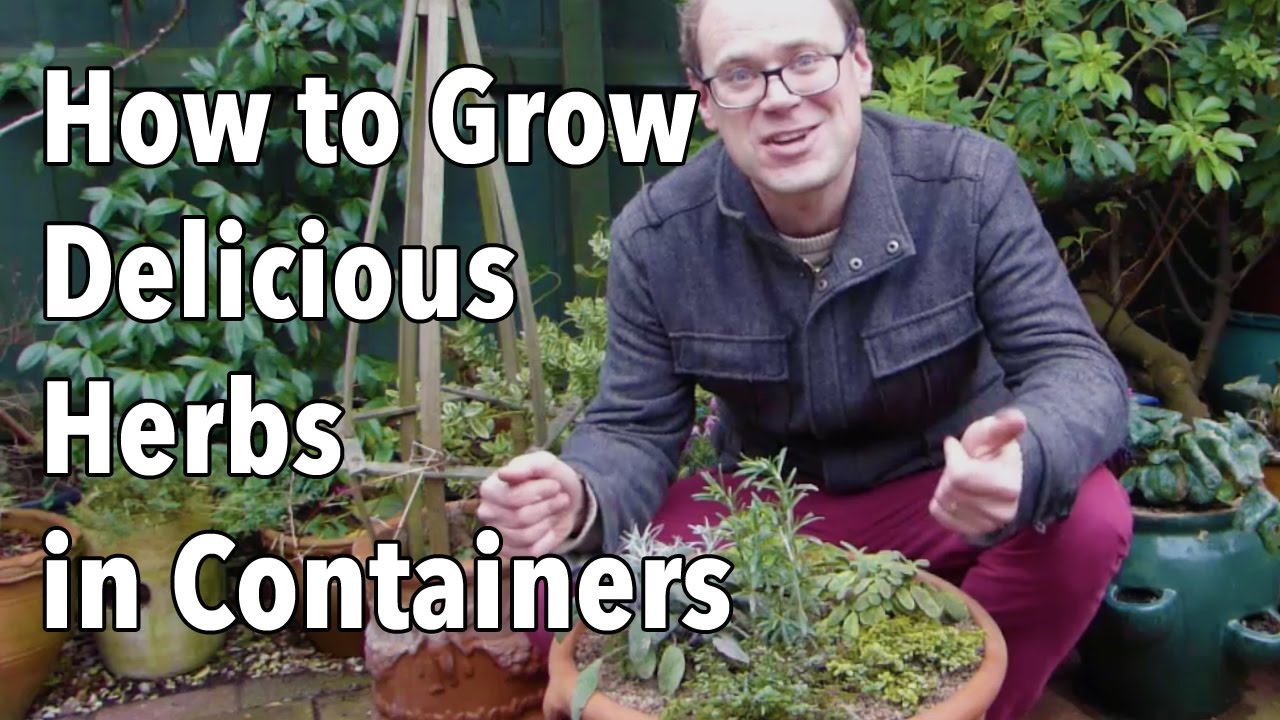

Growing multiple herbs in one pot saves space and looks beautiful on a windowsill, but not every combination works. Some herbs are aggressive growers that crowd out neighbors, while others need vastly different water schedules. Understanding companion planting for containers means you’ll get a productive, healthy herb garden instead of a crowded mess where half the plants die.
The Science Behind Companion Herb Planting
Successful container herb combinations depend on matching three core factors: water requirements, growth rate, and root depth. Learn the key principles that separate thriving mixed plantings from failed experiments.
Key Concepts
- Water needs (wet-loving vs. drought-tolerant)—the most critical factor for shared containers
- Growth rate and vigor (aggressive spreaders vs. slow, compact growers)
- Root system depth (shallow-rooted vs. deep-rooted herbs)
- Light requirements (full sun vs. partial shade preferences)
- Pot size and drainage (container volume relative to mature root ball needs)
Principles
Group by Water Needs First
Mediterranean herbs like rosemary, thyme, oregano, and sage prefer drier soil and need water only once weekly. Tender herbs like basil, cilantro, and parsley love consistent moisture. Never combine a drought-tolerant herb with a moisture-loving one in the same pot—one will suffer from overwatering or underwatering. Check soil moisture daily for mixed containers and water when the top inch feels dry to balance competing needs.
Match Growth Rates to Prevent Crowding
Fast-growing herbs like basil and mint quickly overtake slow growers like rosemary. If combining different growth rates, choose a larger container and space them apart, harvesting aggressively from vigorous herbs. Better yet, pair basil with equally fast-growing parsley and cilantro, or combine slow Mediterranean herbs together. Plant the faster grower on the pot’s edge where you can easily pinch it back.
Consider Root Depth and Spread
Shallow-rooted herbs like chives and oregano coexist peacefully with others since they don’t compete for deeper soil space. Deeper-rooted herbs like rosemary and fennel need more vertical room. In a standard 12-inch pot, pair one deep-rooted herb with 2-3 shallow-rooted companions rather than multiple deep rooters that will strangle each other underground.
Ensure Adequate Drainage and Air Flow
Cramped containers trap moisture and encourage fungal disease and pest problems. Use a pot with drainage holes at least 8-10 inches deep for mixed plantings. Space plants so you can see soil between them once mature. Good air circulation prevents mildew and allows you to harvest without disturbing neighboring plants.
Choose a Container Size Matched to Your Combination
A small 6-inch pot works for one compact herb only. A standard 10-12 inch pot holds one medium herb plus 2-3 shallow-rooted companions. Larger 18-inch containers support 3-4 herbs comfortably. Err on the side of larger—undersized pots dry out too fast and create root competition that stresses all plants.
Harvest Strategically to Manage Balance
Regular harvesting prevents any single herb from dominating shared space. Pinch back vigorous basil weekly to encourage bushiness while leaving slower herbs untouched. This ongoing pruning maintains shape, boosts yield, and prevents one plant from shading others. Harvest from the top of stems rather than stripping lower leaves.
- The ‘Mediterranean herbs trio’ (rosemary, thyme, oregano) thrives together—all drought-tolerant with similar light needs and growth rates
- Basil with parsley and cilantro is the ‘tender herbs trio’—all love warmth, moisture, and frequent harvesting for bushier growth
- Plant mint and fennel alone or in separate pots—both are aggressive spreaders that will eliminate gentler companions in 4-6 weeks
What to Look For in Container Herb Garden Setup
- Drainage and Material: Choose terracotta, fabric, or ceramic pots with drainage holes. Avoid solid containers or those without holes—standing water kills herbs within weeks. Terracotta breathes and regulates moisture naturally but needs more frequent watering.
- Size Relative to Herb Count: A single herb needs 6-8 inches diameter minimum. Each additional herb adds 3-4 inches. A 12-inch pot safely holds 3-4 herbs; an 18-inch pot holds 5-6. Larger pots retain moisture longer and buffer against watering mistakes.
- Soil Quality and Structure: Use potting mix labeled ‘herbs’ or ‘indoor plants’—never garden soil. Quality mixes drain quickly while retaining some moisture, preventing both waterlogging and drying out. Replenish potting mix annually since it compacts and degrades over time.
- Light Access and Placement: Most culinary herbs need 6+ hours of direct sunlight daily. South or west-facing windowsills work best. Shade-tolerant parsley can handle 4-5 hours. Rotate containers weekly if light is uneven to prevent leggy, one-sided growth.
Bloem Dura Cotta Herb Pot Set
Best for: Anyone starting a mixed herb container garden
This three-piece nesting pot set comes in neutral taupe with integrated drainage holes and saucers. Each pot is lightweight, UV-resistant, and sized for herbs (6-inch, 8-inch, 10-inch). The durable resin composite won’t crack in winter and retains moisture better than terracotta while remaining breathable. Perfect for grouping herbs by water needs in separate but coordinated pots, or use the largest for a true mixed planting.
Check Current Price on Amazon →Pennington Terra Cotta Herb Pots
Best for: Budget-conscious gardeners wanting traditional terracotta
Classic unglazed terracotta in 6-inch and 8-inch sizes at budget prices. Terracotta’s porosity naturally regulates moisture—excellent for Mediterranean herbs that prefer drying between waterings. Drainage holes come pre-drilled. The warm clay color suits any decor. Downside: terracotta is heavier than alternatives and cracks if frozen, so bring pots inside in cold climates.
Check Current Price on Amazon →Click and Grow Smart Garden 3
Best for: Beginners wanting foolproof automated growing
This countertop hydroponic system grows three herbs simultaneously with built-in LED grow lights and automatic watering via app. No soil mixing or drainage worries—perfect for someone new to container gardening who fears killing plants. Supports basil, parsley, cilantro, mint, and other common herbs. Higher upfront cost but eliminates guesswork on watering and light schedules.
Check Current Price on Amazon →Pottery Barn Langley Ceramic Planter
Best for: Gardeners wanting designer aesthetics with function
Hand-glazed ceramic planters in 8-inch and 12-inch sizes with integrated drainage holes and matching saucers. Available in white, sage, or charcoal finishes that complement kitchen decor. Heavy enough for stability with a modern tapered silhouette. Drainage saucer prevents water stains on countertops. Premium investment piece that doubles as kitchen decor.
Check Current Price on Amazon →Start Your Mixed Herb Container Garden Today
Growing multiple herbs together isn’t complicated—it just requires matching plants by water needs, growth rate, and root depth. The Mediterranean trio of rosemary, thyme, and oregano thrives in one pot, while the tender herbs trio of basil, parsley, and cilantro excels in another. By understanding these companion principles and avoiding incompatible combinations, you’ll create productive, beautiful herb gardens that supply your kitchen with fresh flavors all season.
Start with a quality pot sized appropriately for your herb selection, fill it with proper potting mix, and choose one proven combination from this guide. Once you’ve mastered that first container, you’ll have the confidence to experiment with your own pairings. The key is observing your plants closely—yellowing leaves or wilting despite moist soil tells you the combination isn’t working, and it’s time to separate them. Success comes from learning what your specific kitchen conditions and herbs need, then adjusting accordingly.
Frequently Asked Questions
Can I plant basil and rosemary together?
No—basil loves frequent watering and moist soil, while rosemary prefers dry conditions between waterings. Overwatering for basil will rot rosemary’s roots, and underwatering for rosemary will stress basil. Grow these in separate containers matched to their individual needs.
How often should I water a mixed herb container?
Check moisture daily by inserting your finger 1 inch into soil. Water when the top inch feels dry—typically every 1-2 days in summer for moisture-loving herbs, or every 3-4 days for Mediterranean combinations. Drainage holes are essential; pots sitting in standing water will kill herbs within days.
What’s the smallest pot size for growing three herbs together?
A 10-12 inch diameter pot is the practical minimum for three herbs without severe root competition. Smaller pots dry out too quickly and leave insufficient space for root development, stressing all plants. A 14-16 inch pot gives better results and margin for error.
Can I add herbs to an existing potted plant?
Only if the existing plant has similar watering and light needs. Adding a thirsty herb like basil to a drought-tolerant succulent will create conflict. It’s safer to start fresh with containers designed for complementary herbs from the beginning.
How long will a mixed herb container last?
With proper care, 12-18 months before soil degrades and roots become crowded. Replace potting mix annually and divide or repot herbs after their first year. Regular harvesting extends productivity; containers that aren’t harvested often become overgrown within 6 months.
As an Amazon Associate, Build & Bloom earns from qualifying purchases. We only recommend products we genuinely think are useful. Prices and availability vary; check Amazon for the latest.
Leave a Reply