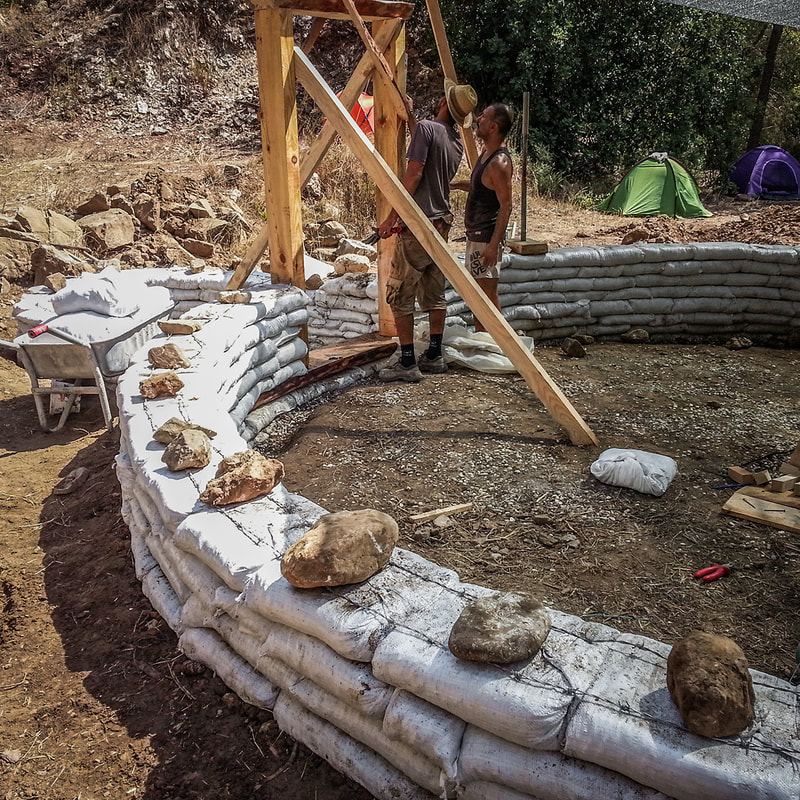

If you’re dreaming of building on your homestead but feeling overwhelmed by the options, you’re not alone. Natural building methods offer sustainable, beautiful alternatives to conventional construction—but they’re not all created equal. Cob might excel in wet climates while rammed earth thrives in arid regions. Some techniques demand specialized knowledge; others welcome beginners. Your choice depends on your local climate, available materials, budget, and the timeline you’re working with. Let’s break down the five most viable natural building approaches so you can match the method to your vision.
Five Natural Building Methods: Key Principles & Trade-Offs
Each natural building technique uses different material ratios, construction sequences, and finishing approaches. Here’s how they compare across the factors that matter most to homesteaders.
Key Comparison Criteria
- Climate suitability — the regional weather patterns where your technique will perform best long-term
- Material sourcing — whether you can source primary ingredients locally or must import them
- Skill requirements — the learning curve and specialized knowledge needed to execute properly
- Build timeline — how long the material curing and construction process typically takes
- Thermal performance — insulation value and heat retention during heating seasons
- Cost efficiency — material and labor expenses relative to conventional building
Natural Building Methods Explained
Cob Construction
Cob blends straw, clay soil, and sand into a thick, sculptable material applied in layers. It excels in temperate and wet climates where it can cure without excessive drying cracks. The thick earthen walls provide excellent thermal mass, storing and releasing heat gradually. Cob suits artistic builders who enjoy hands-on sculpting; timelines stretch 12-18 months as each layer must fully cure. Material costs run low if you source clay locally, but labor-intensive application means higher time investment or contractor costs.
Straw Bale Building
Straw bales serve as structural infill or non-structural insulation within a frame, then receive plaster or stucco cladding. This method achieves excellent insulation values (R-value 30-60) and works well in cold climates where thermal resistance matters most. Straw bale construction suits DIY builders because assembly is relatively straightforward, though you’ll need access to quality bales free from mold or decomposition. Build times compress to 6-12 months, and material costs remain affordable in agricultural regions.
Rammed Earth Walls
Layers of subsoil mixture get compressed into formwork to create monolithic, dense walls. Rammed earth performs best in arid and semi-arid climates where low rainfall won’t saturate the earthen material. The technique demands precision with formwork and compaction equipment, making it less accessible to complete beginners without hands-on training. Walls cure slowly (several months), but the resulting thermal mass and durability justify the extended timeline. Material costs stay reasonable, but equipment rental and expertise add labor expenses.
Adobe Block Construction
Sun-dried earth blocks are stacked with mud mortar, offering modularity and straightforward assembly. Adobe suits hot, dry climates where consistent sun exposure allows proper drying without rain interference. Beginners can learn block-making and laying quickly, making adobe ideal for owner-builders with limited construction experience. Timelines vary based on block production (2-4 weeks drying time), but actual wall assembly moves rapidly. This method keeps costs low when you produce your own blocks but requires significant upfront material preparation.
Timber Frame with Natural Infill
A structural timber frame becomes the skeleton while natural materials (straw bale, cob, or adobe) fill the panels. This hybrid approach combines timber frame’s strength with natural material benefits, adapting to diverse climates. It suits builders comfortable with timber joinery and carpentry fundamentals. Construction requires sequencing: frame assembly, then infill, then finishing–stretching timelines to 12-24 months. Costs escalate due to timber quality requirements, but the flexibility and performance justify the investment for many homesteaders.
- Assess your local soil composition before committing to a method–clay-heavy soils favor cob and adobe, while sandy subsoils work better for rammed earth.
- Connect with local natural builders or find case studies of completed projects in your climate zone to validate long-term performance in your specific conditions.
- Budget 20-30% more time than conventional construction estimates and plan your build schedule around material curing windows and seasonal weather patterns.
Tools & Equipment You’ll Need for Natural Building Projects
- Material Testing & Soil Analysis: Understanding your soil composition determines which natural building method will succeed. Testing kits or professional soil analysis reveal clay percentage, sand content, and organic matter–essential data for cob, adobe, and rammed earth selection.
- Mixing & Preparation Equipment: Whether you’re blending cob, making adobe, or preparing rammed earth, powerful mixing capacity saves months of labor. Mechanical mixers or tractor-mounted equipment accelerate material preparation and improve consistency.
- Formwork & Structural Support: Rammed earth and timber frame building require precise formwork, bracing, and scaffolding. Quality formwork prevents structural failures and ensures plumb, level walls that perform as designed.
- Testing & Quality Control Instruments: Moisture meters, compaction testers, and curing monitors help verify that your natural building materials reach proper strength and stability before proceeding to the next construction phase.
John Deere Compact Utility Tractor 1023E
Best for: Homesteaders preparing large volumes of natural building materials
A 23-horsepower compact tractor with front-loader bucket attachment makes short work of soil excavation, material mixing, and transport. Its versatility adapts to cob preparation, adobe block movement, and rammed earth compaction across your build site. Rental or ownership of a compact tractor reduces what would otherwise take months of hand labor to weeks, directly lowering your build timeline and labor costs. This workhorse handles diverse terrain on rural properties and serves future farm projects long after construction completes.
Check Current Price on Amazon →Humboldt Mfg Co. Soil Lab Testing Kit
Best for: First-time natural builders determining soil viability
This comprehensive soil testing kit includes jar tests, clay content analysis, and organic matter assessment without requiring laboratory equipment. The included instruction manual walks beginners through simple procedures that reveal whether local soil suits cob, adobe, or rammed earth building. Results guide material selection and prevent costly mistakes from choosing an incompatible technique. At under $40, this kit pays for itself by eliminating failed experiments and wasted material.
Check Current Price on Amazon →MixerDirect 5-Cubic Foot Portable Concrete Mixer
Best for: Small-to-medium natural building projects requiring consistent material batches
This electric-powered mixer handles 5 cubic feet per batch, ideal for cob and adobe preparation without overwhelming labor. The drum rotates smoothly to blend clay-soil-straw mixtures to uniform consistency, and the portable design lets you position it near your build site for easy loading. Its 1-horsepower motor runs on standard household current, and cleanup requires just minutes with a garden hose. Perfect for owner-builders tackling phased construction across multiple seasons.
Check Current Price on Amazon →Dewalt DW054K Heavy Duty Impact Driver Kit
Best for: Fastening formwork, scaffolding, and structural timber frame connections
A cordless impact driver delivers the torque needed to drive long screws into timber framing and formwork assembly without hand fatigue. The kit includes two batteries, charger, and carrying case, ensuring your tools stay powered throughout long build days. Impact drivers excel at repetitive fastening tasks inherent in timber frame and straw bale construction. At roughly $150, it’s a multipurpose tool that serves your homestead for years beyond the building project.
Check Current Price on Amazon →Choose Your Natural Building Path
Natural building isn’t one-size-fits-all, and that’s its greatest strength. Your climate, available materials, budget, and timeline each point toward the best technique for your homestead. Cob rewards artistic builders in temperate regions. Straw bale maximizes insulation in cold climates. Rammed earth builds permanence in arid landscapes. Adobe welcomes beginners with low complexity. Timber frame provides structural security across diverse conditions. Spend time assessing your specific situation–test your soil, study local case studies, and talk to experienced builders in your area. The right choice now prevents costly corrections later.
Once you’ve identified your method, invest in foundational tools and equipment that multiply your effectiveness: a compact tractor for material preparation, quality soil testing to validate your approach, and precision measurement instruments to ensure structural integrity. Your natural building project represents years of enjoyment and a legacy of sustainable stewardship. Build deliberately, learn continuously, and connect with the community of natural builders who’ve walked this path before you. Your homestead will reward the care you invest in choosing the right method.
Frequently Asked Questions
Which natural building method works best in humid, wet climates?
Cob excels in damp climates because its thick earthen walls tolerate moisture fluctuations better than other techniques. Straw bale also performs well if you use vapor barriers and proper plaster cladding to shed water. Avoid rammed earth and adobe in regions with sustained high humidity, as these materials absorb and release moisture slowly, potentially leading to mold or degradation.
Can I combine multiple natural building methods in one house?
Yes–timber frame with natural infill represents a popular hybrid approach. You might use cob for exterior walls and adobe for interior non-structural partition walls, for example. Ensure compatibility between materials regarding expansion and contraction, and consult experienced natural builders in your region about proven combinations.
How much time should I budget for a natural building project?
Expect 12-24 months for a complete owner-built natural home, versus 6-9 months for conventional construction. Material curing times dominate the schedule–cob requires 12-18 months for walls to fully cure, while adobe and rammed earth demand several months. Straw bale construction compresses timelines to 8-12 months because plaster dries faster on straw substrate.
Do natural building methods get approved by building codes and mortgage lenders?
Increasingly yes, but approval varies by jurisdiction and specific building method. Adobe and timber frame have decades of code history. Cob and straw bale are newer and require alternative compliance documentation or engineer-approved plans. Contact your local building department early and request case studies of approved natural buildings to understand requirements before design.
What’s the real cost difference between natural building and conventional construction?
Natural building materials cost 10-30% less than conventional materials, but labor hours are higher, especially if owner-building. A fully contracted natural home costs similar to conventional construction; owner-built projects cut costs by 30-50% depending on skill level and time availability. Material savings compound when you source locally–clay-rich soil, straw, and timber harvested on-property dramatically reduce expenses.
As an Amazon Associate, Build & Bloom earns from qualifying purchases. We only recommend products we genuinely think are useful. Prices and availability vary; check Amazon for the latest.
Leave a Reply