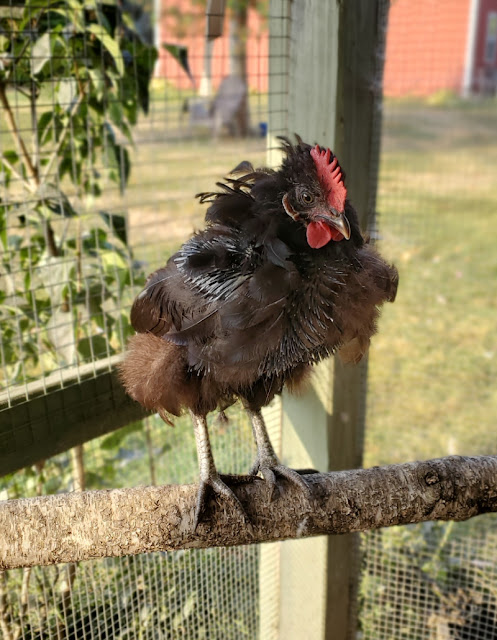

If you’ve noticed bare patches on your chickens or feathers scattered around the coop, you’re not alone. Backyard flock keepers often panic when they see excessive feather loss, worried their birds are sick or injured. While feather loss can sometimes signal a problem, it’s often just molt–a completely natural process where chickens shed and regrow their feathers. Learning to identify the cause of feather loss is the first step to keeping your flock healthy and productive.
Understanding Chicken Feather Loss: Causes and Solutions
Chicken feather loss happens for several reasons, and identifying which one is affecting your flock helps you respond appropriately. Here are the key causes and what they reveal about your chickens’ health.
Key Concepts
- Natural molt cycle – an annual shedding triggered by decreasing daylight in fall/winter
- Stress factors – crowding, predators, temperature extremes, or sudden environmental changes
- Parasites and disease – mites, lice, and fungal infections visible on skin and feathers
- Nutritional deficiencies – insufficient protein during feather regrowth phases
- Behavioral pecking – dominant birds or boredom leading to feather plucking in the flock
Principles
Recognize Natural Molt Patterns
Molt typically occurs in fall as daylight decreases, causing chickens to shed old feathers over 8-16 weeks. During this time, egg production drops or stops completely as the bird’s energy redirects to feather regrowth. Look for coordinated feather loss across your flock rather than just one or two birds. Molting chickens appear bedraggled and stubbly, with new pinfeathers emerging underneath. This process is completely normal and healthy.
Inspect for Parasites and Skin Issues
Part the feathers on affected areas and examine the skin closely for tiny insects, discoloration, or inflammation. Mites and lice cause itching that leads chickens to peck and pull their own feathers. Check the vent area especially, as parasites congregate there. If you see evidence of parasites, isolate the bird and treat the entire flock. Fungal infections appear as scaly or crusty areas and require targeted treatment as well.
Evaluate Environmental Stressors
Stress-induced feather loss appears scattered and often accompanied by behavioral changes like reduced eating or hiding. Check for crowding in the coop–provide at least 3-4 square feet per bird inside and 8-10 square feet in the run. Ensure proper ventilation without drafts, stable temperatures, and adequate water. Remove predator threats and minimize sudden changes to the flock’s routine. Stressed chickens have compromised immune systems and are more vulnerable to disease.
Assess Flock Nutrition
During molt or whenever feather loss occurs, protein intake becomes critical for regrowth. Feathers are made primarily of protein, so birds need 16-18% protein in their diet during these periods. Supplement standard layer feed with mealworms, fish meal, or higher-protein treats. Ensure access to fresh, clean water at all times, as hydration supports both feather growth and overall health. Nutritional deficiencies compound other stressors and delay recovery.
Identify Aggressive Pecking Behavior
If only certain birds show feather loss while others appear unaffected, aggression may be the cause. Overcrowding, boredom, or the introduction of new birds can trigger feather pecking. Provide enrichment like perches, dust baths, and foraging opportunities to redirect this behavior. Remove extremely aggressive birds from the flock if necessary, or add visual barriers to reduce line-of-sight stress. Caught early, behavioral pecking can be stopped before birds are severely injured.
Provide Recovery Support During Feather Loss
Regardless of the cause, support your chickens during feather loss by reducing handling stress and maintaining consistent routines. Increase protein availability through treats and supplemental feed. Ensure shelter from extreme temperatures, as molting birds lose insulation and regulate body heat poorly. Provide dust baths regularly, which help chickens groom and remove loose feathers naturally. Avoid startling or chasing birds, as this escalates stress.
Document and Monitor Patterns
Keep simple notes on which birds are losing feathers, when it started, and how much coverage is affected. Track any other symptoms like changes in eating, behavior, or egg production. Monitor whether feather loss follows seasonal patterns or appears suddenly. This information helps you distinguish between normal molt and potential disease outbreaks. Regular observation catches problems early and helps you become a more responsive flock manager.
- During molt, expect zero to minimal egg production for 8-16 weeks as your birds redirect energy to feather regrowth–this is normal and temporary
- Boost protein intake naturally by raising mealworms or black soldier fly larvae on-site, which your chickens will eagerly forage for
- Install a light in your coop to extend perceived daylight hours during winter, which can delay molt if you prefer consistent egg production year-round
Tools & Supplies for Monitoring Chicken Health
- Magnifying glass or jeweler’s loupe: Essential for closely inspecting skin and identifying tiny parasites like mites and lice that are difficult to see with the naked eye. A quality magnifier with 10x power is ideal for poultry health checks.
- High-protein treat supplements: Mealworms, sunflower seeds, or fish meal pellets support feather regrowth during molt and recovery from feather loss. Choose options with at least 50% protein content.
- Coop lighting system: A timer-controlled LED light helps manage molt cycles by extending perceived daylight hours. This allows you to influence when molt occurs and maintain some egg production through winter if desired.
- Dust bath container or frame: A dedicated dust bath area filled with dry sand or diatomaceous earth helps chickens naturally groom feathers and control parasites. This is one of the most important health tools for any backyard flock.
Carson MagnifiCraft 3x-6x Hand Magnifier with 45mm Lens
Best for: Flock health monitoring and parasite detection
A professional-grade handheld magnifier with adjustable magnification levels up to 6x power, ideal for closely examining chicken skin, feathers, and identifying mites or lice during health checks. The 45mm lens provides a wide viewing area, making it easy to inspect multiple areas on your birds. Lightweight and durable, it’s an essential tool for any serious backyard flock keeper who wants to catch health problems early.
Check Current Price on Amazon →Fluker’s High-Protein Mealworm Treat for Chickens
Best for: Budget-conscious flock owners needing protein boost
Dried mealworms with approximately 60% protein content, designed specifically for poultry and other animals. An affordable way to supplement protein during molt without buying premium options. Simply scatter treats in the run and watch your chickens eagerly forage. One bag goes a long way and costs considerably less than buying live mealworms. Great for establishing a routine treat that chickens immediately recognize and love.
Check Current Price on Amazon →Kaytee Premium Mealworms Bulk Container
Best for: Serious flock keepers wanting consistent high-quality protein
A bulk container of premium-grade dried mealworms with maximum protein content, ideal for managing molt season nutrition across larger flocks. The bulk format reduces per-pound cost while ensuring consistent treat availability throughout the 8-16 week molt period. These mealworms are nutrient-dense and highly palatable, making them perfect for encouraging feed intake when chickens are stressed or recovering from feather loss. Resealable container keeps treats fresh.
Check Current Price on Amazon →Simple Deluxe Automatic Chicken Coop Door Opener with Timer
Best for: New flock owners wanting to extend light cycles for molt management
An automated timer that controls coop lights to extend perceived daylight hours, helping you manage when molt occurs in your flock. Easy to program with multiple on/off cycles throughout the day. Reduces manual effort and ensures consistent lighting that influences molting cycles. Perfect for beginners who want to start controlling flock schedules without complex equipment. The timer is reliable and weather-resistant for outdoor use.
Check Current Price on Amazon →Support Your Flock Through Feather Loss
Feather loss in chickens can result from several causes, with natural molt being the most common and benign. By learning to identify whether your birds are experiencing seasonal molt, stress-related feather loss, parasites, or behavioral pecking, you can respond appropriately and keep your flock healthy. Most feather loss is temporary and manageable with proper nutrition, environmental support, and monitoring.
The key to thriving chickens is observation and proactive care. Invest in simple health-monitoring tools like a good magnifier, maintain proper coop conditions with adequate space and ventilation, provide high-protein treats during feather regrowth, and establish a regular dust bath routine for parasite prevention. With these foundations in place, your backyard flock will recover quickly from feather loss and continue providing eggs and joy for years to come.
Frequently Asked Questions
How long does chicken molt last?
A typical molt cycle lasts 8-16 weeks, beginning in fall as daylight decreases. During this time, old feathers are shed and new feathers grow in. Chickens may experience reduced or zero egg production during molt, which is completely normal and healthy.
Is it normal for chickens to lose feathers in summer?
Heavy feather loss in summer is unusual and typically indicates a problem like parasites, stress, overcrowding, or nutritional deficiency rather than natural molt. Inspect birds closely for mites, lice, or skin issues, and ensure adequate shade, water, and spacing during hot months.
What should I feed chickens during molt?
Increase protein intake to 16-18% during molt by supplementing layer feed with treats like mealworms, sunflower seeds, fish meal, or cricket flour. Ensure constant access to fresh water and consider adding vitamins and minerals to support feather regrowth and overall recovery.
Can I prevent molt from happening?
You can delay or reduce molt severity by extending perceived daylight hours with artificial lighting in the coop. However, molt is a natural biological process, and most experts recommend allowing it to occur as it’s important for flock health and feather quality.
When should I worry about feather loss and call a vet?
Seek veterinary help if feather loss is accompanied by lethargy, reduced eating, discharge, or affects only one or two birds. If multiple birds show coordinated seasonal feather loss without other symptoms, it’s likely normal molt. Sudden, scattered feather loss with behavioral changes warrants professional evaluation.
As an Amazon Associate, Build & Bloom earns from qualifying purchases. We only recommend products we genuinely think are useful. Prices and availability vary; check Amazon for the latest.
Leave a Reply