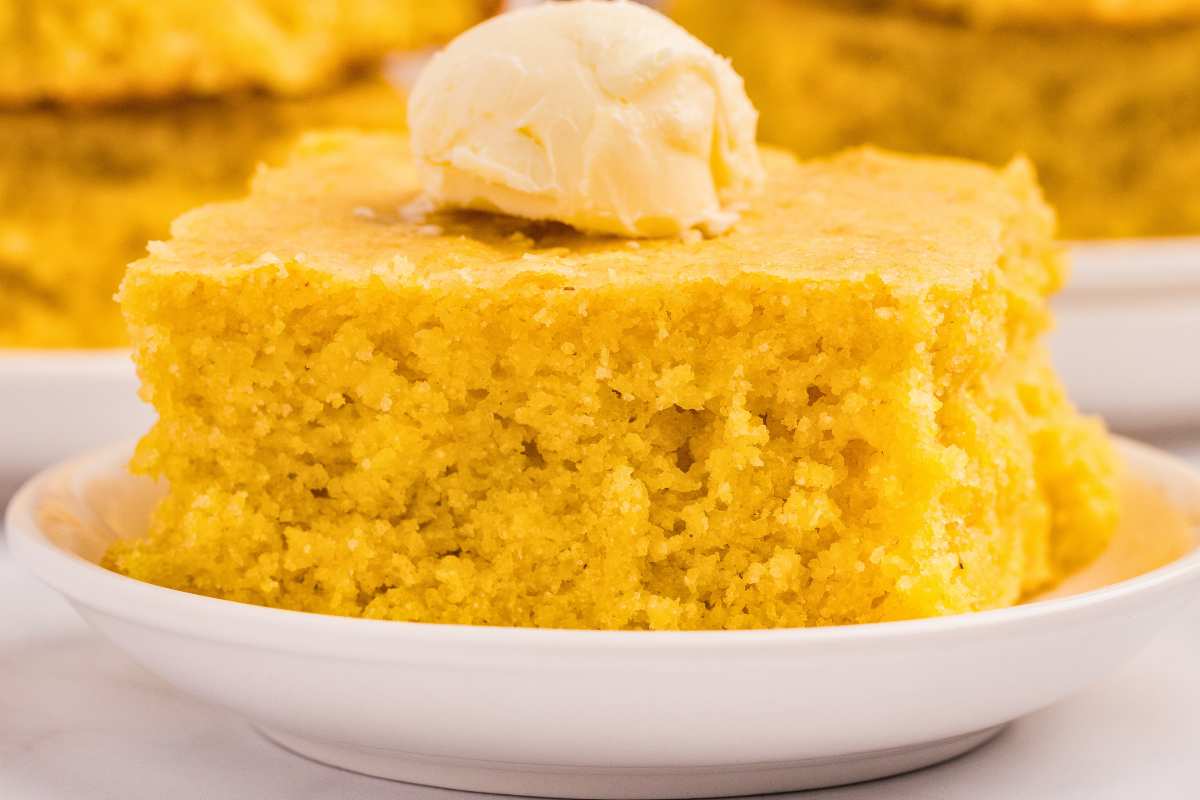

If you have an active sourdough starter sitting on your counter, you already have everything you need to make incredible cornbread that’s moister and more flavorful than standard recipes. Sourdough cornbread bridges two baking traditions: the gentle tang of fermented dough and the sweet, crumbly texture of cornmeal bread. This recipe is perfect for using starter you might otherwise discard, and it bakes in under 30 minutes, making it ideal for weeknight dinners or weekend brunch.
How to Make Sourdough Cornbread
This straightforward recipe yields tender, golden cornbread with subtle tang from active sourdough starter. The whole process takes about 45 minutes from mixing to cooling.
Ingredients
- 1 cup active sourdough starter (fed and bubbly)
- 1 cup cornmeal (yellow or white)
- 1 cup all-purpose flour
- 1/2 cup sugar or honey
- 1 teaspoon baking powder
- 1/2 teaspoon salt
- 2 large eggs
- 1/2 cup milk or buttermilk
- 4 tablespoons butter (melted)
Method
Prepare your baking vessel
Preheat your oven to 400°F. Grease a 9-inch round or square baking pan with butter or cooking spray, ensuring the bottom and sides are well coated. This prevents sticking and encourages even browning on the edges.
Combine wet ingredients
In a large mixing bowl, whisk together your active sourdough starter, beaten eggs, milk, and melted butter until well blended. The starter should break down and incorporate smoothly into the wet mixture. Stir until no visible lumps of starter remain.
Mix dry ingredients separately
In a separate bowl, whisk together cornmeal, flour, sugar, baking powder, and salt. Whisking these dry ingredients together ensures even distribution of the leavening agent and salt throughout the batter.
Combine wet and dry
Pour the wet mixture into the dry ingredients and fold together using a spatula or wooden spoon. Mix until just combined with no visible streaks of flour. Overmixing develops gluten and creates a tough, dense crumb, so stop as soon as the ingredients are incorporated.
Transfer to baking pan
Pour the batter into your prepared pan and smooth the top gently with the back of a spoon. The batter should be thick but pourable. Don’t overwork it during this step.
Bake until golden
Place in the preheated oven and bake for 20-25 minutes. The cornbread is done when the top is golden brown and a toothpick inserted into the center comes out clean or with just a few moist crumbs. The edges should pull slightly away from the pan sides.
Cool briefly before serving
Remove from the oven and let cool in the pan for 5-10 minutes. This allows the crumb to set slightly so it doesn’t fall apart when you slice it. If serving warm, tip the cornbread out onto a wire rack or cutting board.
- Use sourdough starter that has been fed 4-8 hours prior and shows active bubbles on top. Sluggish or dormant starter produces dense, heavy cornbread.
- Buttermilk adds tang and reacts with baking soda for extra lift, but regular milk works fine if that’s what you have on hand.
- Add fresh or frozen corn kernels, diced jalapeños, or shredded cheese to the batter for texture and flavor variation.
What to Look For in Sourdough Cornbread Baking Equipment
- Mixing Bowls: Choose bowls that nest for space efficiency and won’t slip during mixing. Glass or ceramic bowls resist sourdough’s slight acidity better than aluminum.
- Baking Pan Size and Material: A 9-inch cast iron or steel pan distributes heat evenly for golden corners. Glass pans require 25°F temperature reduction to prevent over-browning.
- Measuring Tools: Accurate measuring ensures proper rise and texture. A kitchen scale eliminates guesswork with flour, which varies in density; alternatively use quality dry measuring cups.
- Wire Rack: Cooling cornbread on a rack prevents soggy bottoms from trapped steam. Stainless steel racks resist rust and last for decades.
Lodge 9-Inch Cast Iron Skillet
Best for: Home bakers seeking even heat distribution and lasting quality
Lodge cast iron skillets are preseasoned and ready to use out of the box. The 9-inch size is perfect for cornbread, producing evenly golden crusts and moist interiors. Cast iron retains heat superbly, ensuring your cornbread bakes consistently. These skillets last generations when cared for properly, making them an unbeatable long-term value for any sourdough baker.
Check Current Price on Amazon →Pyrex Smart Essentials 8-Piece Glass Mixing Bowl Set
Best for: Beginners and budget-conscious bakers
This Pyrex set offers durable glass mixing bowls in multiple sizes that nest for compact storage. Glass won’t stain from sourdough and is dishwasher safe. The graduated sizes let you keep wet and dry ingredients separate without buying additional bowls. At a fraction of specialty bakeware prices, this set is excellent for learning without breaking the bank.
Check Current Price on Amazon →OXO Good Grips Measuring Cup and Spoon Set
Best for: Home bakers prioritizing ease and accuracy
OXO’s measuring tools feature easy-to-read markings and ergonomic handles that reduce hand fatigue. The spoon set measures dry ingredients precisely, while the angled measuring cup is ideal for liquids. Durable polypropylene won’t crack or chip, and everything is dishwasher safe for quick cleanup after baking.
Check Current Price on Amazon →KitchenAid Stand Mixer with Flat Mixing Paddle
Best for: Serious bakers who mix larger batches regularly
A stand mixer automates the wet-and-dry combining step, reducing arm fatigue and ensuring uniform mixing. The flat mixing paddle gently folds ingredients without overworking the batter. While not essential for single batches, this workhorse saves time when making cornbread for families or gatherings and doubles as a go-to tool for other baking projects.
Check Current Price on Amazon →Final Recommendation
Sourdough cornbread is one of the easiest ways to use your starter while creating a showstopping side dish that tastes bakery-quality. The recipe is forgiving, the ingredients are pantry staples, and you’ll have warm cornbread on the table in under an hour. Start with the basic recipe, then experiment with add-ins like corn kernels, cheese, or jalapeños once you’re comfortable with the base method.
Investing in a quality cast iron pan elevates your results immediately—the even heat distribution and edge crisping are worth it. Paired with accurate measuring tools and a good spatula, you have everything needed to bake cornbread that rivals any homestead kitchen. Your sourdough starter, once relegated to discard duty, becomes a star ingredient in a bread that’s tender, tangy, and utterly craveable.
Frequently Asked Questions
Can I use inactive or freshly fed sourdough starter?
Active starter (bubbly, peaked, or at its rise peak) produces the best rise and flavor. Newly fed starter that hasn’t fermented yet will produce dense cornbread. Inactive starter won’t leaven properly.
What if my cornbread comes out too dry?
Overbaking is the most common cause. Check at 20 minutes; a toothpick with a few moist crumbs is ideal. Also verify you’re not using old cornmeal, which loses moisture over time. Fresh cornmeal yields moister results.
Can I substitute honey for sugar?
Yes, use the same amount by volume. Honey adds moisture and subtle floral notes. Reduce any other liquid slightly since honey contains water, or your batter may become too wet.
How long does sourdough cornbread stay fresh?
Wrap cooled cornbread in foil or store in an airtight container at room temperature for up to 3 days. Refrigerate for 5-7 days, or freeze wrapped cornbread for up to 3 months. Reheat gently in a 300°F oven to restore softness.
Can I make this recipe without baking powder?
Baking powder helps cornbread rise and achieve a tender crumb, but you can omit it and rely on the sourdough starter’s fermentation for leavening. The texture will be denser and more bread-like rather than cake-like.
As an Amazon Associate, Build & Bloom earns from qualifying purchases. We only recommend products we genuinely think are useful. Prices and availability vary; check Amazon for the latest.
Leave a Reply