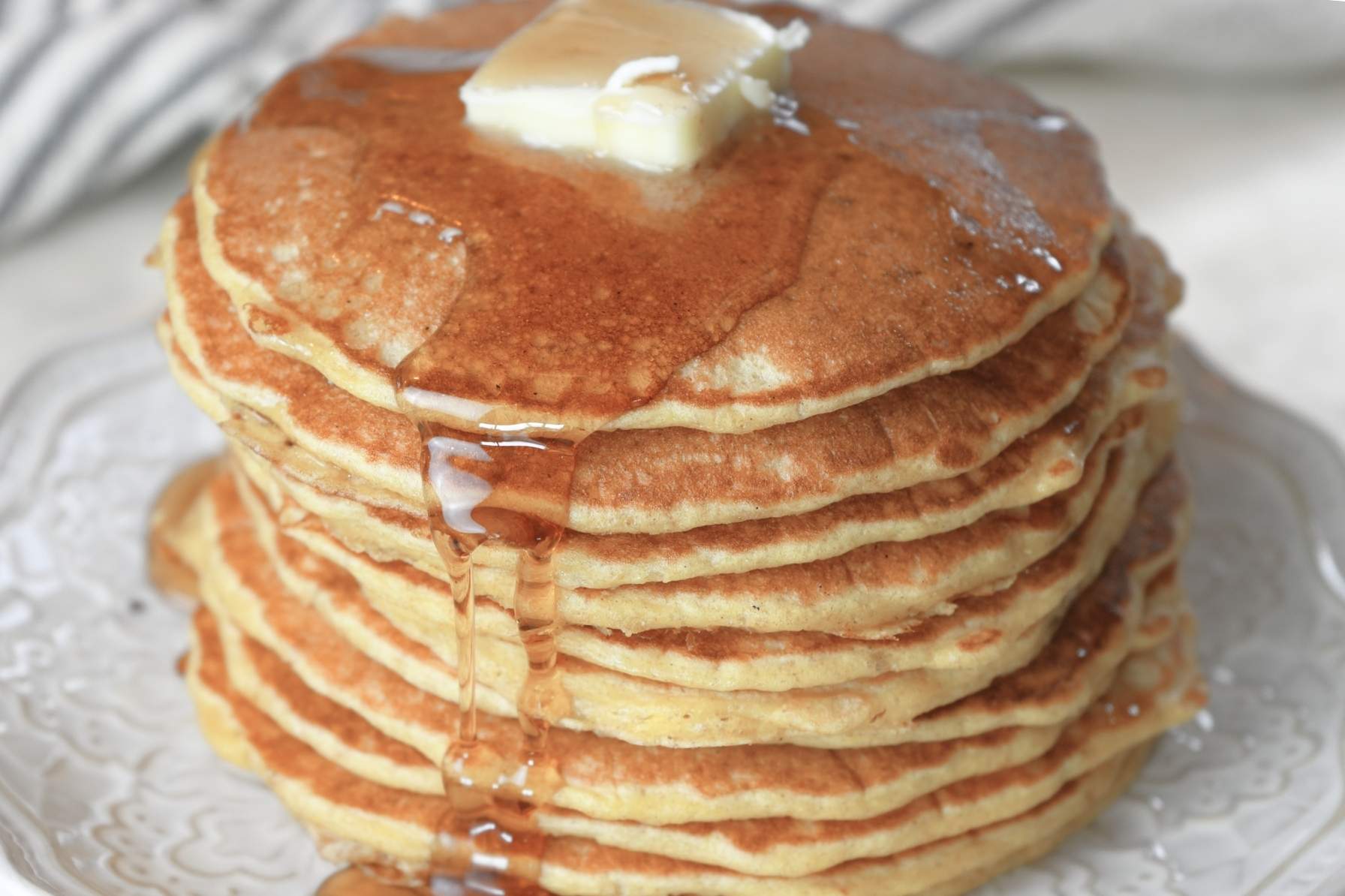

If you maintain a sourdough starter, you’re probably looking for creative ways to use that regular discard instead of throwing it away. Flour-free sourdough pancakes are a game-changer: they’re tangy, naturally leavened, and surprisingly fluffy despite having zero wheat flour. This recipe transforms your discard into breakfast gold while keeping carbs lower than traditional pancakes.
How to Make No-Flour Sourdough Discard Pancakes
These pancakes rely on sourdough discard for leavening and flavor, combined with eggs for structure. The result is a tender, slightly tangy pancake that’s naturally gluten-free.
Ingredients
- 1 cup active sourdough discard (fed 4-8 hours prior, bubbly and risen)
- 3 large eggs, separated into whites and yolks
- 2 tablespoons melted butter or coconut oil, plus more for cooking
- 1 tablespoon honey or maple syrup
- 1/2 teaspoon baking soda
- 1/4 teaspoon sea salt
Method
Prepare Your Sourdough Discard
Use sourdough discard that has been fed and left at room temperature for 4-8 hours until it’s bubbly, risen, and showing signs of active fermentation. This ensures maximum leavening power. If your discard isn’t active, it won’t produce the light texture these pancakes need.
Combine Wet Ingredients
In a large mixing bowl, whisk together the active sourdough discard, egg yolks, melted fat, and honey until smooth. This creates your flavor base and carries the leavening power of the starter throughout the batter.
Add Dry Ingredients
Sprinkle the baking soda and salt over the wet mixture. Whisk gently until just combined. The baking soda will react with the acidic sourdough, creating additional lift. Don’t overmix; lumps are fine.
Whip Egg Whites
In a separate clean bowl, beat the egg whites until stiff peaks form. This aerates the batter and creates the fluffy texture that makes these pancakes special. Gently fold the whipped whites into the batter in two additions to maintain airiness.
Rest the Batter
Let the batter sit for 5-10 minutes before cooking. This resting period allows the baking soda to activate and the gluten-free structure to set slightly, resulting in better texture when cooked.
Heat Your Cooking Surface
Preheat a griddle or non-stick skillet over medium heat until a drop of water sizzles on contact. Lightly butter the surface. Medium heat prevents the outside from burning before the inside cooks through.
Cook Pancakes
Pour 1/4 cup batter per pancake onto the hot griddle. Cook for 2-3 minutes until the bottom is golden and bubbles form on top. Flip carefully and cook the other side for 1-2 minutes until set. These pancakes are delicate, so use a thin spatula.
Serve Immediately
Transfer cooked pancakes to a warm plate and serve right away with butter, maple syrup, fresh berries, or whipped cream. These pancakes are best enjoyed fresh, though leftovers can be refrigerated and gently reheated.
- Fold the egg whites gently using a rubber spatula with an under-and-over motion to preserve the air you’ve whipped into them. This directly translates to fluffier pancakes.
- If your first pancake is too thin or spreads too much, your batter may need a bit more resting time. Give it another 5 minutes and try again.
- These pancakes work beautifully with both sweet toppings and savory applications. Try them with fried eggs and avocado for a breakfast twist.
What to Look For in Pancake-Making Equipment
- Non-Stick Griddle or Skillet: Choose a griddle or skillet with a flat, even cooking surface and reliable non-stick coating. Proper heat distribution ensures golden pancakes without sticking. Cast iron works but requires more oil; non-stick is more forgiving for delicate sourdough pancakes.
- Egg Separator or Technique: Separating egg whites from yolks cleanly is critical for this recipe. Look for a dedicated egg separator tool, or use the shell-to-shell method. Any yolk in the whites will prevent them from whipping to stiff peaks.
- Electric Mixer or Whisk: Whipping egg whites to stiff peaks requires sustained effort. An electric hand mixer cuts the work dramatically and produces more consistent results than manual whisking, though a quality balloon whisk works with elbow grease.
- Heat-Resistant Spatula: Use a thin, flexible silicone or metal spatula specifically designed for pancake flipping. It should be narrow enough to slide under pancakes easily without tearing them. Avoid thick, rigid spatulas that can break delicate pancakes.
Le Creuset Enameled Cast Iron Round Griddle
Best for: Home cooks who want durability and heat retention
This enameled cast iron griddle provides even, consistent heat distribution essential for pancake cooking. The enamel coating eliminates the seasoning maintenance of bare cast iron, while the heavy construction retains heat beautifully. The large flat surface accommodates multiple pancakes at once, and it transitions easily from stovetop to table service. Lifetime durability makes it a worthwhile investment.
Check Current Price on Amazon →T-fal Signature Hard Anodized Non-Stick Griddle
Best for: Budget-conscious cooks prioritizing ease of cleanup
This affordable non-stick griddle offers reliable performance without the premium price tag. The hard-anodized aluminum heats quickly and evenly, while the non-stick surface requires minimal oil. The griddle spans two burners, allowing you to cook several pancakes simultaneously. Dishwasher-safe for convenient cleanup after breakfast.
Check Current Price on Amazon →OXO Good Grips Silicone Pancake Spatula
Best for: New cooks learning to flip delicate pancakes
This silicone spatula features a thin, flexible blade that slides smoothly under delicate sourdough pancakes without tearing. The heat-resistant silicone withstands temperatures up to 600 degrees, and the ergonomic handle provides comfortable control. The angled design helps you flip with confidence, making it ideal for anyone still building their pancake technique.
Check Current Price on Amazon →All-Clad HA1, Hard Anodized Non-Stick Griddle
Best for: Serious home cooks valuing professional-grade equipment
All-Clad’s hard anodized griddle delivers restaurant-quality performance with superior heat distribution and non-stick reliability. The 16-inch cooking surface accommodates generous pancake portions, and the reinforced stainless steel handles stay cool during cooking. This griddle is oven-safe to 500 degrees, offering versatility beyond pancakes, and comes with a lifetime warranty.
Check Current Price on Amazon →Final Recommendation
No-flour sourdough discard pancakes are an excellent way to use your starter’s regular discard while creating a naturally leavened breakfast that tastes complex and indulgent. The key to success is using truly active discard and taking time to whip your egg whites properly. These two steps create the fluffy, tangy pancakes that make this recipe special. Once you’ve mastered the technique, you’ll find yourself making these regularly.
For equipment, prioritize a reliable griddle or skillet with consistent heat distribution, and invest in either an electric mixer or quality hand whisk for beating egg whites. A thin, flexible spatula designed for pancakes prevents tearing these delicate creations. Start with budget-friendly options and upgrade to premium equipment only if you find yourself making pancakes weekly. Your breakfast routine will improve dramatically once you have the right tools for the job.
Frequently Asked Questions
How do I know if my sourdough discard is active enough?
Your discard should be bubbly, risen noticeably higher in the jar, and smell strongly of fermentation. If you feed it and it doesn’t show activity within 4-8 hours at room temperature, your starter may need more frequent feedings to build strength. Alternatively, discard and feed again until you see consistent bubbling.
Can I make these pancakes without separating the eggs?
You can, but the results won’t be as fluffy. Whipped egg whites are crucial for the light, airy texture that makes these pancakes special. If you skip this step, add all three eggs whole and expect denser pancakes more similar to traditional sourdough pancake recipes.
What can I use instead of baking soda?
Baking powder can substitute at a 1.5x ratio (about 3/4 teaspoon), though the flavor and lift will differ slightly. Baking soda is preferred because it neutralizes the sourdough’s acidity while creating lift. Baking powder alone won’t provide the same tang-reduction benefit.
Why do my pancakes spread too thin on the griddle?
If your batter spreads excessively, your egg whites may not be whipped stiff enough, or you may need more resting time. The batter should hold its shape initially. Also ensure your griddle is hot enough; a cooler surface allows batter to spread before setting.
Can I make a larger batch and freeze the extras?
Yes, these pancakes freeze beautifully for up to three months. Cool them completely, layer with parchment paper, and store in an airtight container. Reheat gently in a toaster or low oven to avoid drying them out. Toast settings work best for maintaining texture.
As an Amazon Associate, Build & Bloom earns from qualifying purchases. We only recommend products we genuinely think are useful. Prices and availability vary; check Amazon for the latest.
Leave a Reply