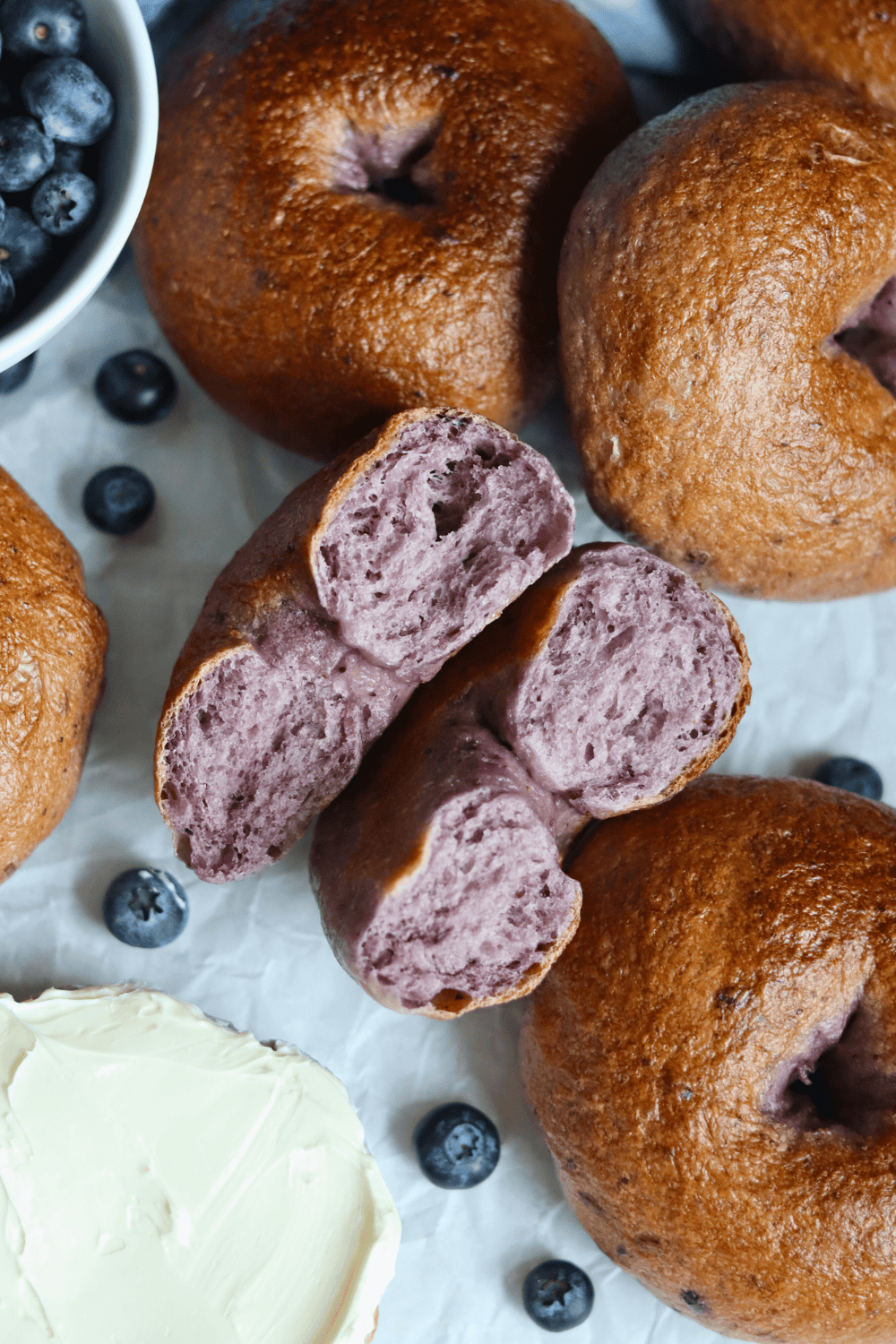

Homemade bagels are a revelation compared to store-bought versions, and adding blueberries to a sourdough base creates a tender, tangy breakfast that tastes like a weekend bakery indulgence. If you have an active sourdough starter on hand and a few hours to spare, you can master this technique and never go back to commercial bagels. The key is understanding how cold fermentation develops flavor while boiling creates that signature chewy crust.
How to Make Sourdough Blueberry Bagels
This recipe yields six generous bagels with a perfect chewy interior and slight tang from the sourdough starter.
Ingredients
- 1 cup active sourdough starter (fed 4-8 hours prior)
- 2.5 cups bread flour or all-purpose flour
- 0.75 cup warm water
- 1.5 teaspoons salt
- 1 tablespoon honey or sugar
- 1 to 1.5 cups fresh or frozen blueberries (do not thaw if frozen)
Method
Mix the dough
Combine your active sourdough starter, warm water, and flour in a large bowl until shaggy. Let this rest for 20-30 minutes to hydrate. Add salt and honey, then mix until you have a stiff, cohesive dough. Knead for 8-10 minutes by hand or in a stand mixer until smooth and elastic.
Fold in blueberries gently
Once dough is smooth, gently fold in your blueberries, being careful not to crush them excessively. If using frozen berries, add them directly without thawing to minimize juice leakage. The dough should be firm but not dry; frozen berries release less liquid than fresh ones.
Shape into rounds
Divide dough into six equal pieces. Roll each piece into a smooth ball using gentle tension, then poke a hole in the center with your thumb. Gradually stretch the dough into a ring shape with a 2-inch hole, keeping the dough even and the edges smooth. Avoid thick spots that cook unevenly.
Cold ferment overnight
Place shaped bagels on parchment paper or a floured surface, cover with plastic wrap, and refrigerate for 12-16 hours. This cold fermentation develops deep sourdough flavor and makes the dough easier to boil. The bagels will puff slightly and become puffy.
Prepare for boiling
Remove bagels from refrigerator 20 minutes before boiling to warm slightly. Fill a large pot with water and bring to a gentle rolling boil. If desired, add honey or a small pinch of baking soda to the water to enhance browning and bagel chewy texture.
Boil and score
Working in batches, gently place bagels into boiling water. Boil for 1 minute on the first side, then flip and boil 1 minute on the second side. Transfer with a slotted spoon to a wire rack. This crucial step creates the signature chewy crust by gelatinizing the starch.
Prepare for oven
Place a baking sheet on your oven rack and preheat your oven to 450 degrees Fahrenheit. Transfer boiled bagels to the hot baking sheet in a single layer, leaving space between each one for hot air circulation.
Bake until golden
Bake for 20-25 minutes until deep golden brown. The bagels should be firm on the outside but yield slightly when squeezed. Transfer to a wire cooling rack immediately. They will finish setting as they cool. Enjoy warm or store in an airtight container for three days.
- If you’re nervous about boiling, set a timer and watch the first batch closely. The bagels should sink, then bob back to the surface when done on each side.
- Frozen blueberries work beautifully and burst during baking, creating pockets of concentrated berry flavor throughout the bagel without making the dough overly wet.
- A cold overnight ferment is essential for sourdough bagels. It gives the starter time to develop flavor and creates the tangy, complex taste you cannot achieve with a fast rise.
What to Look For in Bagel-Making Equipment
- Stand mixer with dough hook: Kneading bagel dough by hand is strenuous. A stand mixer with a dough hook attachment handles the heavy, stiff dough effortlessly and develops gluten evenly, saving you 10-15 minutes of labor.
- Large stainless steel pot for boiling: Bagels need room to move freely in boiling water without crowding. A pot with at least 8-quart capacity ensures you can boil multiple bagels simultaneously without them sticking together.
- Slotted spoon or spider skimmer: A slotted utensil lets you safely retrieve boiled bagels from hot water without splashing or tearing them. Look for one with a long handle to keep your hands away from steam.
- Wire cooling rack: After baking, bagels need air to circulate underneath so steam escapes and the crust stays crisp. A raised rack prevents condensation from softening the bottom.
KitchenAid Artisan 5-Quart Stand Mixer
Best for: Home bakers making bagels regularly
The KitchenAid Artisan stand mixer is the workhorse of the home kitchen. Its powerful motor handles stiff bagel dough with ease, while the flat dough hook thoroughly develops gluten without fatigue. The 5-quart bowl fits two full batches of dough. Dishwasher-safe attachments and a 10-year warranty make this a trusted investment for any serious home baker.
Check Current Price on Amazon →Cuisinart Stand Mixer 7-Quart
Best for: Budget-conscious bakers
The Cuisinart stand mixer delivers reliable performance at a fraction of the KitchenAid price. A 7-quart capacity easily handles bagel dough, and the powerful motor kneads confidently. The splash guard prevents flour clouds, and the bowl lifts out for easy cleanup. A solid choice if you want stand-mixer convenience without premium pricing.
Check Current Price on Amazon →Hamilton Beach Stand Mixer
Best for: First-time bagel makers
The Hamilton Beach stand mixer is lightweight, compact, and easy to operate for newcomers. Its 4-quart capacity works for single batches of bagel dough, and the three-speed control gives precise mixing. The lower price point makes it ideal for testing whether bagel-making is a hobby you’ll pursue long-term before investing heavily.
Check Current Price on Amazon →Ankarsrum Original Stand Mixer
Best for: Advanced home bakers and bread makers
The Ankarsrum Original is a Swedish-made mixer that excels at bread and dough work. Its unique roller and scraper design mixes without the air incorporation of traditional stand mixers, which is ideal for sourdough fermentation. At a premium price, it’s beloved by serious bread bakers who value precision and durability.
Check Current Price on Amazon →Start Baking Your Own Sourdough Blueberry Bagels Today
Sourdough blueberry bagels are entirely within reach for home bakers willing to plan ahead and invest a few hours of hands-on time. The cold fermentation step is your secret weapon for developing deep sourdough flavor, while the boiling process guarantees that signature chewy crust no commercial bagel can match. With a stand mixer to handle the stiff dough and the right boiling pot, the process becomes straightforward and repeatable.
Start with one batch to build confidence, then scale up as you refine your shaping and boiling technique. Your reward will be weekend mornings filled with the aroma of fresh-baked bagels and the satisfaction of serving breakfast you made from your own sourdough starter. Once you taste a warm, homemade bagel loaded with blueberries, you’ll understand why bagel-making is becoming a cherished homestead and DIY baking skill.
Frequently Asked Questions
Can I use frozen blueberries instead of fresh?
Yes, frozen blueberries are excellent and often preferred. Do not thaw them; add them directly to the dough to prevent excess moisture and juice bleeding. Frozen berries burst slightly during baking, creating delicious pockets of concentrated flavor.
What if I don’t have a sourdough starter?
You can create a sourdough starter in 5-7 days by mixing flour and water and feeding it daily, or use a ‘sourdough-style’ bagel dough with instant yeast and a small amount of malt vinegar for tang. However, true sourdough requires an active starter.
Can I skip the overnight cold ferment?
You technically can, but the flavor will be noticeably less complex and tangy. If you’re short on time, refrigerate for at least 4-6 hours. The cold ferment develops the signature sourdough taste and actually makes bagels easier to handle.
Why do my bagels spread flat instead of staying round?
This usually means the dough is too warm or over-fermented. Ensure your overnight cold ferment is truly in the refrigerator, and check that your active starter wasn’t fed more than 8 hours before mixing. A stiff dough is key; if it feels sticky, add a touch more flour.
How long do homemade bagels stay fresh?
Store cooled bagels in an airtight container at room temperature for up to 3 days, or freeze for up to 3 months. To reheat, wrap in foil and warm in a 375-degree oven for 10-15 minutes, or slice and toast.
As an Amazon Associate, Build & Bloom earns from qualifying purchases. We only recommend products we genuinely think are useful. Prices and availability vary; check Amazon for the latest.
Leave a Reply