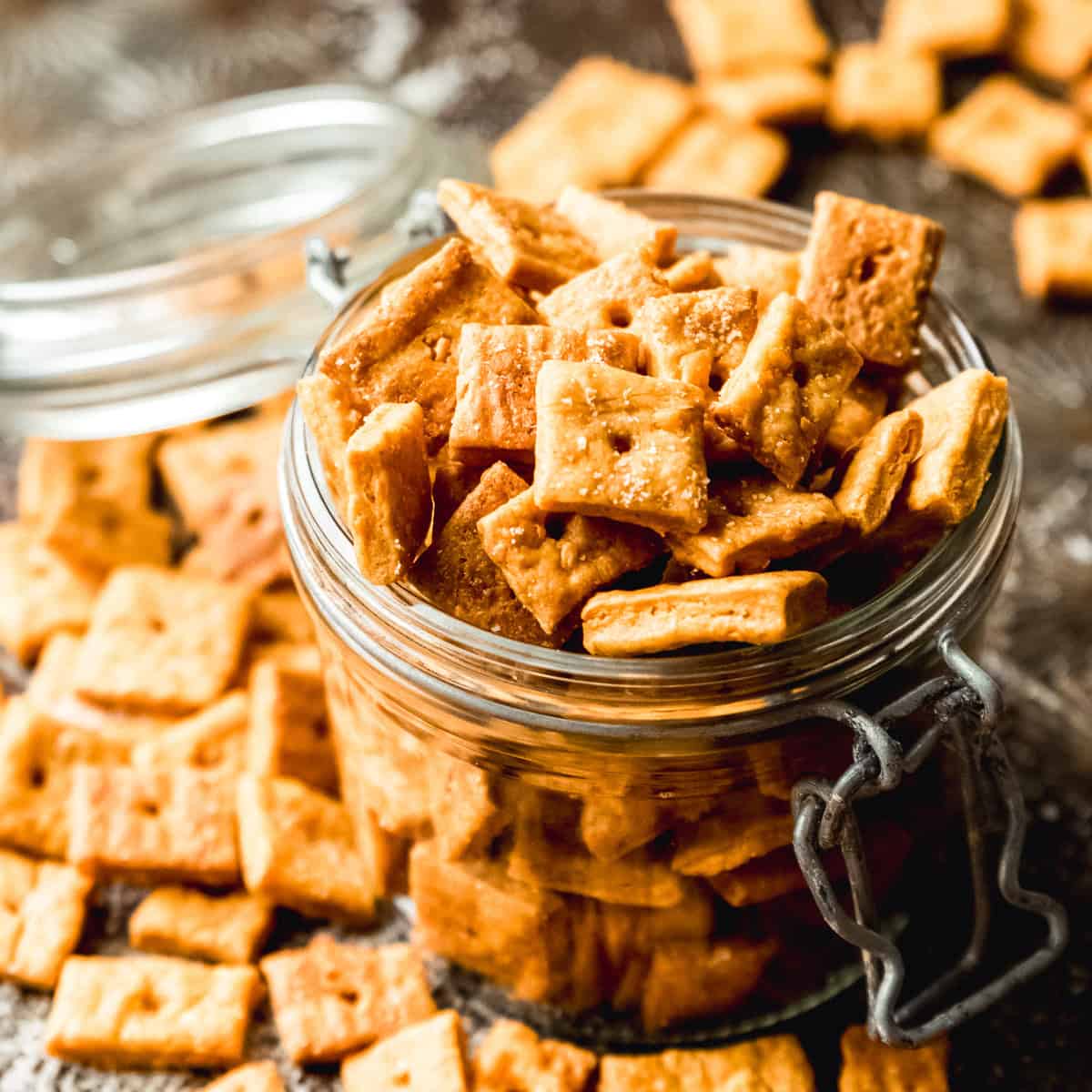

Store-bought cheese crackers are convenient, but they’re loaded with preservatives and artificial flavoring. If you have sourdough starter on hand, you can make crackers that are fresher, more flavorful, and honestly more satisfying than any commercial version. This recipe uses your living starter to add tangy depth while sharp cheddar delivers that bold cheese flavor you crave. The best part? You probably have most ingredients in your kitchen right now.
How to Make Sourdough Cheese Crackers
These crackers come together in two stages: a quick dough preparation followed by an overnight chill, then a fast bake. The result is crispy, cracker-thin delights with real cheese flavor from your sourdough starter.
Ingredients
- 1 cup active sourdough starter (fed 4-8 hours prior, bubbly and doubled)
- 1.5 cups sharp cheddar cheese, finely grated
- 2 cups all-purpose flour
- 6 tablespoons butter, softened
- 1 teaspoon sea salt
- 0.5 teaspoon cayenne pepper (optional, for subtle heat)
Method
Combine wet ingredients
In a medium mixing bowl, combine your active sourdough starter and softened butter. Stir until the butter is fully incorporated into the starter. The mixture should be smooth and creamy. This blending creates a cohesive base for your dough.
Add cheese and dry ingredients
Add the grated cheddar cheese to the starter mixture and fold it in gently until distributed. In a separate bowl, whisk together the flour, salt, and cayenne. Add the dry mixture to the wet ingredients and stir until a shaggy dough forms. Use your hands if necessary to bring everything together.
Knead to develop gluten
Turn the dough onto a lightly floured surface and knead for 5-7 minutes until the dough becomes smooth and slightly elastic. You’ll feel the texture change as gluten develops. The dough should hold together without being sticky. If it’s too wet, dust with a bit more flour.
Chill overnight
Wrap your dough ball tightly in plastic wrap and refrigerate for at least 8 hours, or up to 24 hours. This resting period allows flavor to develop from your sourdough starter and makes the dough easier to roll thin without springing back.
Roll thin and cut
Remove dough from the refrigerator and let it sit at room temperature for 15 minutes to soften slightly. On parchment paper, roll the dough to about 1/8-inch thickness. Using a small knife or pizza cutter, cut into roughly 1-inch squares. Poke each square with a fork for that authentic cracker texture.
Arrange and bake
Transfer the parchment paper with crackers to a baking sheet. Bake at 375 degrees Fahrenheit for 12-18 minutes, depending on thickness. Watch carefully during the final few minutes—these go from golden to burnt quickly. They should be pale golden and crispy when done.
Cool completely
Remove the baking sheet from the oven and let crackers cool on the pan for 10 minutes. They’ll crisp up further as they cool. Transfer to an airtight container once fully cooled. Store at room temperature for up to one week.
- Make sure your sourdough starter is truly active and bubbly before using it. A sluggish starter will produce dense crackers instead of crispy ones.
- Roll the dough between two sheets of parchment paper for easier handling and cleanup, especially if your dough is sticky.
- For extra crispy crackers, bake at 400 degrees for 10-14 minutes instead. Watch closely to prevent burning.
What to Look For in Sourdough Cracker Baking Equipment
- Dough mixing bowl: A 3-4 quart mixing bowl with a wide mouth makes combining ingredients and kneading much easier. Stainless steel or ceramic bowls are ideal because they won’t absorb odors or flavors from the sourdough.
- Parchment paper: Rolling dough between parchment sheets prevents sticking and makes cleanup effortless. Silicone-coated paper works better than uncoated for this recipe since you’ll be rolling and moving the dough multiple times.
- Rolling pin or pastry tool: You’ll need something to roll the dough to a thin, even 1/8-inch thickness. A straight rolling pin works best, though some bakers prefer a tapered pin for more control.
- Accurate oven thermometer: Most home ovens run hotter or cooler than their dial indicates. An oven thermometer ensures your crackers bake at the correct temperature for consistent, crispy results.
OXO Good Grips Stainless Steel 3-Quart Mixing Bowl
Best for: Sourdough bakers who need reliable mixing equipment
This 3-quart stainless steel bowl is the workhorse of any baking kitchen. The wide opening makes it easy to combine ingredients, knead dough, and fold in cheese. The brushed exterior won’t slip in your hands, and stainless steel resists odors from sourdough starter. Non-reactive surface ensures your dough develops properly without any metallic taste. Dishwasher safe for quick cleanup after baking.
Check Current Price on Amazon →If You Care Unbleached Parchment Paper 90 Sheets
Best for: Budget-conscious bakers who bake frequently
Unbleached parchment paper from If You Care gives you 90 sheets of quality baking paper at an affordable price point. The paper rolls smoothly and prevents sticking without requiring additional flour. Food-safe and chlorine-free, this option works beautifully for rolling sourdough dough thin. Each sheet can handle baking temperatures up to 400 degrees without smoking or deteriorating.
Check Current Price on Amazon →Norpro Silicone Rolling Pin
Best for: Novice bakers who struggle with sticking dough
This silicone rolling pin from Norpro is extremely forgiving for beginners. The soft-grip handle reduces hand fatigue, and the silicone surface creates natural non-stick properties without requiring flour. The pin measures 11 inches long and is perfectly weighted for rolling thin crackers. Color-coded measurements on the handle help you achieve consistent thickness across all your dough, crucial for even baking.
Check Current Price on Amazon →Lavatools Javelin Pro Digital Oven Thermometer
Best for: Serious bakers who want precise temperature control
The Lavatools Javelin Pro is an instant-read digital thermometer that takes the guesswork out of oven baking. Insert the probe through your oven door (it won’t interfere with closing), and read the exact temperature on the illuminated display. Accuracy within 1 degree ensures your crackers bake evenly and crisp perfectly. Weather-resistant design and stainless steel probe make it durable for years of baking.
Check Current Price on Amazon →Start Baking Your Own Sourdough Cheese Crackers Today
Making homemade sourdough cheese crackers is simpler than you might expect, and the payoff is enormous. You’ll save money compared to store-bought options, eliminate artificial ingredients, and have snacks that actually taste like real cheese and tangy sourdough. The basic equipment needed is probably already in your kitchen–a good mixing bowl, parchment paper, and something to roll with. Once you master this recipe, you’ll find yourself making batch after batch because they disappear fast.
The key to success is using an active, bubbly sourdough starter and not skipping the overnight chill. Those two factors transform a simple dough into something with genuine depth of flavor that no shortcut can replicate. Start with the exact recipe provided, master the technique, and then experiment with additions like garlic powder, fresh herbs, or different cheese varieties. Your family will never ask you to buy the boxed version again once they taste what’s possible with just flour, butter, cheese, and time.
Frequently Asked Questions
Can I make these crackers without a sourdough starter?
You could substitute the starter with 1/4 cup yogurt and add 1/4 teaspoon instant yeast, though you’ll lose the distinctive tangy sourdough flavor. The crackers will still be delicious but won’t have that complex depth that makes this recipe special. Consider starting a sourdough culture–it takes just a few days and gives you crackers (and bread) for years.
How should I store these crackers to keep them crispy?
Store cooled crackers in an airtight container at room temperature for up to one week. Avoid storing in the refrigerator, which actually makes them soften faster due to moisture. If crackers do soften, recrisp them in a 300-degree oven for 5 minutes.
What type of cheddar cheese works best?
Sharp or extra-sharp aged cheddar provides the boldest, most flavorful results. Avoid pre-shredded cheese with anti-caking agents–always grate a block of cheese fresh. The fresher, more pungent the cheese, the more authentic your crackers will taste.
Can I freeze the dough to bake later?
Yes. After kneading, wrap the dough tightly in plastic wrap and freeze for up to 3 months. Thaw in the refrigerator overnight before rolling and baking. The flavor may deepen slightly after freezing, which many bakers consider a bonus.
Why are my crackers turning out dense instead of crispy?
Dense crackers usually indicate your sourdough starter wasn’t active enough when you used it. Always use starter that has been fed 4-8 hours prior and is visibly bubbly and doubled. Additionally, ensure you’re rolling thin enough (1/8 inch or thinner) and baking at the correct temperature for full crispness.
As an Amazon Associate, Build & Bloom earns from qualifying purchases. We only recommend products we genuinely think are useful. Prices and availability vary; check Amazon for the latest.
Leave a Reply