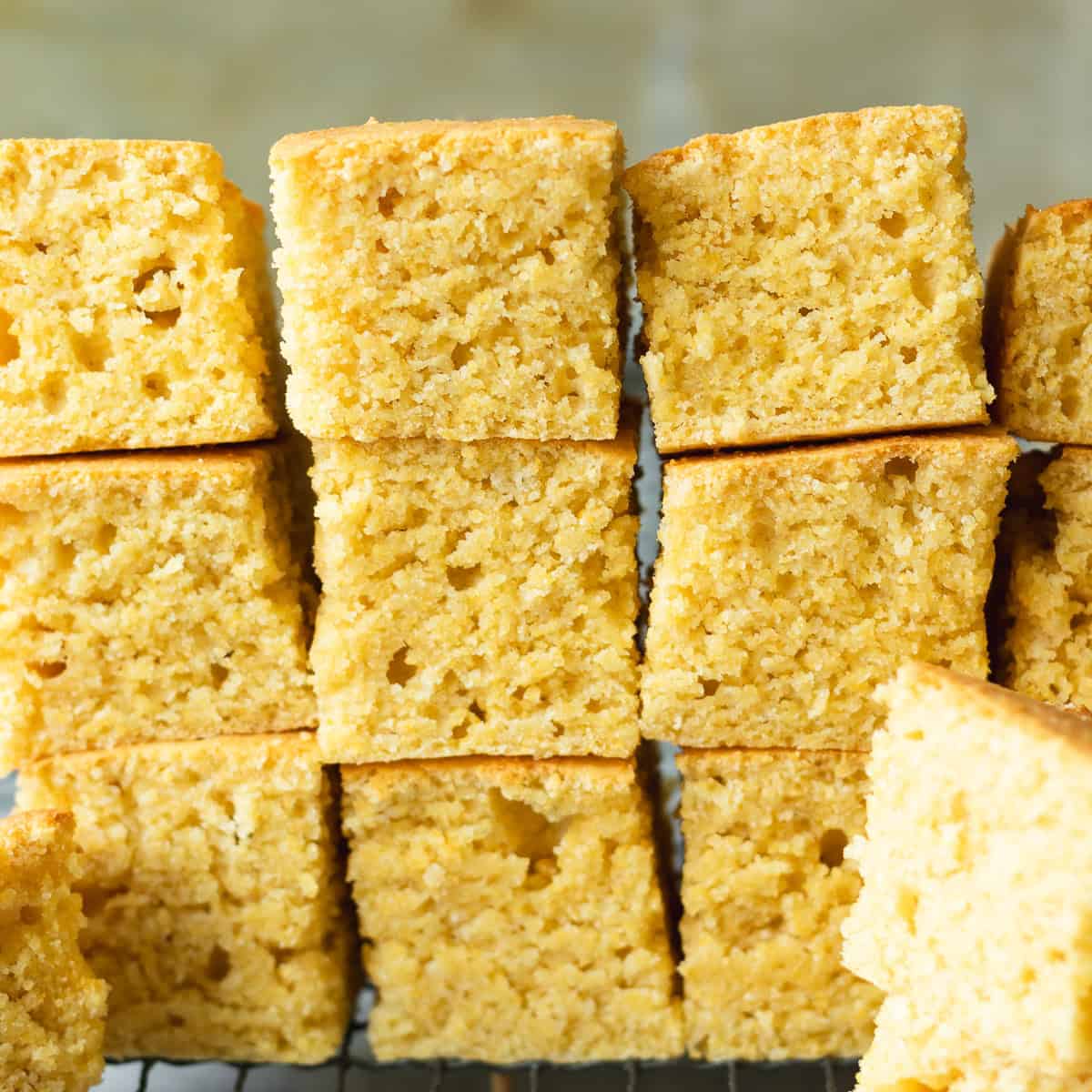

If you maintain a sourdough starter, you’re probably looking for creative ways to use discard instead of tossing it down the drain. Sourdough cornbread is the answer — it delivers that distinctive tangy flavor while producing a tender crumb that’s perfect for breakfast, side dishes, or snacking. This recipe works with either active, bubbly starter or your regular discard, making it endlessly flexible for your baking schedule.
How to Make Sourdough Cornbread
This straightforward recipe combines sourdough starter with cornmeal and pantry staples to create a moist, subtly tangy cornbread ready in under 45 minutes. The method is simple enough for beginners but produces professional results.
Ingredients
- 1 cup sourdough starter (discard or active)
- 1 cup cornmeal (yellow or white)
- 1 cup all-purpose flour
- 1/3 cup sugar or honey
- 1 teaspoon baking powder
- 1 teaspoon salt
- 2 large eggs
- 1 cup milk or buttermilk
- 4 tablespoons melted butter or oil
Method
Preheat and prepare pan
Heat your oven to 400F and place a well-buttered baking pan or cast iron skillet inside for about 5 minutes. A hot pan creates a golden, crispy exterior. If using cast iron, this step is especially important for even browning.
Combine dry ingredients
In a large mixing bowl, whisk together cornmeal, flour, baking powder, and salt. Mix thoroughly to distribute the leavening evenly throughout. This prevents dense pockets and ensures consistent texture in every slice.
Blend wet ingredients
In a separate bowl, whisk together your sourdough starter, eggs, milk, melted butter, and sugar or honey. Stir until completely combined and smooth. This mixture carries both moisture and the distinctive sourdough tang.
Fold wet into dry
Pour the wet mixture into the dry ingredients and fold gently with a spatula until just combined. Do not overmix — some small lumps are fine and will result in a more tender crumb. Overmixing develops gluten and creates a dense, tough texture.
Bake until golden
Carefully pour the batter into your preheated hot pan and transfer to the oven. Bake for 25-30 minutes until the top is golden brown and a toothpick inserted in the center comes out clean or with just a few moist crumbs.
Cool and serve
Let the cornbread rest in the pan for 10 minutes, then turn out onto a cooling rack or serve directly from the pan. It can be eaten warm, at room temperature, or even lightly toasted the next day.
- If your starter is very thick or stiff, thin it slightly with a tablespoon of milk before mixing so it incorporates evenly into the batter.
- For extra moisture and tang, substitute half the milk with buttermilk or add a tablespoon of lemon juice to regular milk 10 minutes before baking.
- Cast iron pans are ideal for this recipe because they distribute heat evenly and create an irresistibly crispy, cornbread-colored crust on all sides.
What to Look For in Sourdough Cornbread Baking Equipment
- Mixing bowls: You need at least two bowls — one for dry ingredients and one for wet. Glass or ceramic bowls are ideal because they don’t absorb odors and allow you to see when ingredients are fully incorporated.
- Cast iron skillet or baking pan: The hot pan is essential for creating that signature crispy, golden exterior. Cast iron heats evenly and retains temperature, while traditional steel baking pans work well too. Size should be 8×8 or 9×9 inches.
- Silicone or rubber spatula: A flexible spatula is perfect for gently folding wet and dry ingredients without deflating air bubbles. Unlike wooden spoons, it scrapes bowl corners thoroughly and won’t splinter.
- Whisk or fork: You’ll use this to combine dry ingredients and whisk the wet mixture until smooth. A whisk incorporates air and distributes leavening agents evenly throughout both mixtures.
Lodge Cast Iron Skillet, 10-Inch
Best for: Anyone serious about crispy cornbread crust
The Lodge 10-inch cast iron skillet is the gold standard for cornbread baking. Its thick, even-heating base ensures perfectly golden exteriors while the 2-inch sides contain batter securely. Pre-seasoned and ready to use, this skillet will last decades and improve with age. The high heat retention produces superior browning compared to regular baking pans, making it worth the investment for frequent bakers.
Check Current Price on Amazon →Pyrex 8×8 Glass Baking Dish
Best for: Home bakers wanting reliable results without spending much
Pyrex glass baking dishes are affordable workhorses that perform exceptionally well for cornbread. The 8×8 size is perfect for this recipe, and glass heats slightly more slowly than metal, preventing over-browning on edges. You can see the batter cooking from the sides and bottom, and cleanup is effortless. At under $10, this is the most budget-friendly option that still delivers excellent results.
Check Current Price on Amazon →Oxo Good Grips Silicone Spatula
Best for: New bakers who worry about overmixing batter
The Oxo spatula features a soft silicone head that reaches into bowl corners and folds ingredients gently without unnecessary stirring. The handle is comfortable and non-slip, giving you better control when combining wet and dry components. Its flexibility prevents you from accidentally deflating air in the batter, which is crucial for tender cornbread texture.
Check Current Price on Amazon →All-Clad Stainless Steel Baking Pan, 8×8
Best for: Bakers who value professional-grade cookware
All-Clad’s stainless steel baking pan represents premium baking equipment with even heat distribution and superior durability. The heavy-gauge construction prevents warping, and the smooth surface allows easy release of finished cornbread. While pricier than alternatives, it’s virtually indestructible and will perform perfectly for decades of sourdough cornbread batches.
Check Current Price on Amazon →Final Recommendation
Sourdough cornbread is one of the easiest ways to use starter discard while creating genuine bakery-quality results at home. The recipe is forgiving, the ingredient list is simple, and the warm-from-the-oven experience is impossible to replicate with store-bought versions. Whether you’re feeding a family or experimenting with new sourdough recipes, this cornbread delivers consistent, delicious outcomes in under 45 minutes.
Invest in a cast iron skillet if you bake frequently — it’s the single most important tool for achieving that signature crispy, golden crust. Pair it with reliable mixing bowls and a good spatula, and you have everything needed to become a confident cornbread baker. The best part? Every batch uses ingredients you probably already have on hand, making sourdough cornbread an economical, sustainable way to reduce starter waste while creating something genuinely delicious.
Frequently Asked Questions
Can I use sourdough starter that’s been in the refrigerator?
Yes, both cold and room-temperature starter work well. Cold starter may increase baking time by 2-3 minutes, while room-temperature starter produces slightly fluffier cornbread. If using very thick starter from the fridge, let it sit 30 minutes at room temperature or thin it with a tablespoon of milk.
What’s the difference between using discard versus active starter?
Active, bubbly starter adds more leavening power and creates a slightly fluffier texture, while discard produces denser, moister cornbread with more pronounced tang. Both methods work — choose based on what you have available and your texture preference.
Can I make sourdough cornbread without eggs?
You can substitute 2 eggs with 1/2 cup applesauce or mashed banana for a vegan version, though the crumb will be slightly denser. Alternatively, use flax eggs (2 tablespoons ground flax mixed with 6 tablespoons water) for binding and structure.
How should I store leftover cornbread?
Store in an airtight container at room temperature for up to 3 days. For longer storage, wrap tightly in plastic wrap and freeze for up to 3 months. Toast frozen slices for quick breakfasts or snacks.
Why is my cornbread too dense?
Overmixing the batter is the most common cause — mix only until ingredients are combined, leaving small lumps. Other causes include expired baking powder, inaccurate oven temperature, or too much starter. Measure ingredients by weight for best results.
As an Amazon Associate, Build & Bloom earns from qualifying purchases. We only recommend products we genuinely think are useful. Prices and availability vary; check Amazon for the latest.
Leave a Reply