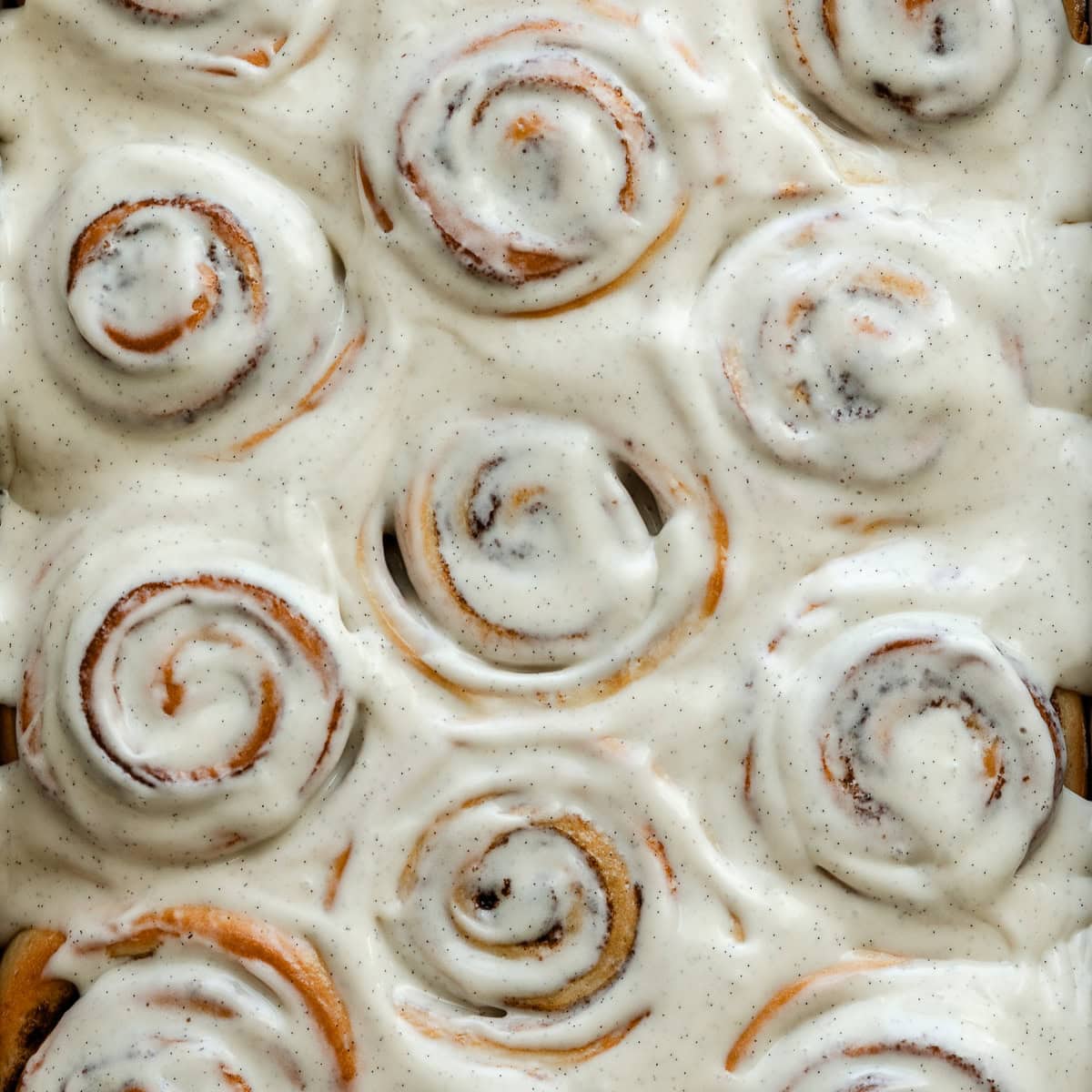

If you maintain a sourdough starter, you already know the guilt of pouring discard down the drain. Those weekly maintenance feedings don’t have to be waste—sourdough discard cinnamon rolls transform that discarded starter into something genuinely delicious. The natural sourness in your discard adds complexity to the sweet rolls while keeping your feeding schedule guilt-free.
How to Make Sourdough Discard Cinnamon Rolls
This recipe yields 12 rolls with a tender crumb and subtle tang. The entire process takes about 3 hours, including rising time, so plan accordingly.
Ingredients
- 1 cup active sourdough discard (fed 4-8 hours prior)
- 2 1/4 cups all-purpose flour
- 1/3 cup granulated sugar, divided
- 1/2 teaspoon salt
- 3 tablespoons butter, melted (plus more for greasing)
- 1/2 cup packed brown sugar mixed with 2 tablespoons ground cinnamon (for filling)
Method
Mix the dough
Combine your sourdough discard, flour, 1/4 cup granulated sugar, and salt in a large mixing bowl. Stir until all flour is incorporated and a shaggy dough forms. Knead by hand or with a stand mixer for 5-7 minutes until the dough becomes smooth and slightly elastic. The dough should be soft but not sticky.
First rise
Shape the dough into a ball and place it in a lightly oiled bowl. Cover with a damp cloth or plastic wrap and let it rise at room temperature for 60-90 minutes until roughly doubled in size. You’re looking for a noticeable increase in volume, not necessarily a precise doubling.
Prepare the filling
While the dough rises, combine your brown sugar and cinnamon in a small bowl. Have your melted butter ready. This mixture creates the sweet, spiced interior that makes these rolls irresistible.
Roll out the dough
Turn your risen dough onto a clean work surface and gently flatten it into a rectangle roughly 9 by 12 inches. If the dough springs back, let it rest for 5 minutes before trying again. Brush the entire surface generously with melted butter, leaving a small border on one long edge.
Fill and shape
Sprinkle the cinnamon-sugar mixture evenly over the buttered dough, pressing gently so it adheres. Starting from the long edge opposite the uncovered border, tightly roll the dough into a log. Pinch the seam to seal, then cut the log into 12 equal pieces using a sharp knife or dental floss.
Second rise
Arrange the rolls cut-side up in a greased 9×13-inch baking pan, leaving space between each roll. Cover loosely and let them rise for 45-60 minutes at room temperature until they’re puffy and touching each other.
Bake
Preheat your oven to 350°F. Bake the rolls for 20-25 minutes until the tops are light golden brown and a toothpick inserted into the center comes out with moist crumbs. Do not overbake or the rolls will dry out.
Cool and enjoy
Let the rolls cool in the pan for 5 minutes before serving. They’re best eaten warm, but can be stored in an airtight container for 2-3 days or frozen for up to 3 months.
- Use active discard that’s been fed within the last 4-8 hours for best rise. Discard that’s several days old won’t have enough leavening power.
- Don’t skip the second rise—this is when the rolls develop their characteristic fluffy texture and the flavors meld together.
- For overnight rolls, prepare through step 5, cover tightly, and refrigerate for 8-12 hours. Let them come to room temperature before baking the next morning.
Essential Equipment for Sourdough Cinnamon Rolls
- Mixing bowl: You’ll need a large bowl to accommodate the dough as it rises. A 3-4 quart capacity is ideal, preferably wide enough to knead comfortably by hand. Glass or ceramic retains temperature better than plastic.
- Baking pan: A standard 9×13-inch baking pan holds all 12 rolls perfectly. Metal conducts heat evenly for consistent browning. Ceramic works too but may require slightly longer baking time.
- Bench scraper or pastry cutter: This tool cleanly portions your rolled dough into individual rolls. Sharp cuts prevent squishing the dough and ensure even-sized rolls that bake uniformly.
- Stand mixer (optional): While hand-kneading works fine, a stand mixer with dough hook attachment saves time and effort. It’s especially helpful if you bake sourdough frequently and want consistent results.
OXO Good Grips 3-Piece Mixing Bowl Set
Best for: Home bakers of all levels
This three-piece nesting bowl set includes a 3-quart capacity bowl perfect for sourdough rolls. The non-slip base keeps the bowl stable during mixing and kneading, while the wide rim makes pouring and measuring convenient. Glass construction lets you monitor dough rise visually, and the set is freezer and dishwasher safe for easy cleanup after baking.
Check Current Price on Amazon →Pyrex Basics 6-Piece Glass Mixing Bowl Set
Best for: Budget-conscious bakers
Pyrex’s classic glass mixing bowls offer excellent value with durable borosilicate glass that resists thermal shock. The 3-quart bowl in this set handles sourdough dough effortlessly. Bowls nest together for compact storage, and the sturdy construction has made Pyrex a trusted kitchen staple for decades. Completely oven and dishwasher safe.
Check Current Price on Amazon →KitchenAid Artisan 5-Quart Stand Mixer
Best for: Home bakers who bake regularly
This iconic stand mixer features a powerful motor that kneads sourdough dough efficiently without hand fatigue. The 5-quart stainless steel bowl accommodates large batches, while the coated dough hook handles thick, sticky doughs with ease. Multiple speed settings give you control over mixing intensity, and the timer function helps track your dough development.
Check Current Price on Amazon →Winco Stainless Steel Mixing Bowl Set
Best for: Busy home cooks
This commercial-grade stainless steel bowl set brings restaurant durability to your home kitchen. The 3-quart bowl handles sourdough dough without any issues, and stainless steel conducts heat evenly for consistent results. The set includes multiple sizes for different tasks, making it versatile for all your baking and cooking needs.
Check Current Price on Amazon →Start Using Your Sourdough Discard Today
Sourdough discard cinnamon rolls transform what you might otherwise throw away into genuinely delicious breakfast pastries. The natural tang from your starter adds unexpected depth to the classic cinnamon-sugar filling, creating rolls that taste like they came from a high-end bakery. With just a few basic ingredients and tools, you can have warm, fluffy rolls ready in about three hours—making this recipe perfect for weekend mornings when you have a little extra time.
The equipment you need is minimal and likely already in your kitchen. A mixing bowl, baking pan, and bench scraper are all you truly need, though a stand mixer makes the process even easier. Start with one batch to get a feel for your dough’s rise times, then adjust future batches based on your kitchen’s temperature and humidity. Soon, you’ll look forward to those weekly sourdough feedings knowing your discard has a delicious second life waiting in the oven.
Frequently Asked Questions
Can I use unfed sourdough discard for this recipe?
It’s best to use discard from an active starter that’s been fed 4-8 hours prior. Unfed or dormant discard won’t have enough live culture to leaven the rolls properly. If your discard is old, feed it and wait a few hours for activity before using.
What if I don’t have exact measurements of sourdough discard?
Sourdough discard is forgiving—anywhere from 3/4 to 1 1/4 cups works fine. More discard creates tangier rolls and may require slightly less flour. Start with the ratios given and adjust based on how your dough feels rather than obsessing over exact volumes.
Can these rolls be made ahead?
Yes! Shape the rolls through step 5, cover tightly, and refrigerate overnight or up to 24 hours. Remove from the refrigerator, let them come to room temperature (about 1 hour), then bake as directed. This method actually develops more flavor through extended fermentation.
Do I need to add yeast to this recipe?
No, your sourdough starter contains plenty of wild yeast to leaven these rolls. Adding commercial yeast isn’t necessary and will actually speed up fermentation, making timing harder to predict. Trust your starter’s leavening power.
Why are my rolls dense instead of fluffy?
Dense rolls usually result from using inactive discard or skipping the second rise. Ensure your discard is bubbly and active, and don’t rush the 45-60 minute second rise in the baking pan. Under-proofed dough bakes dense, so watch for puffy rolls before baking.
As an Amazon Associate, Build & Bloom earns from qualifying purchases. We only recommend products we genuinely think are useful. Prices and availability vary; check Amazon for the latest.
Leave a Reply