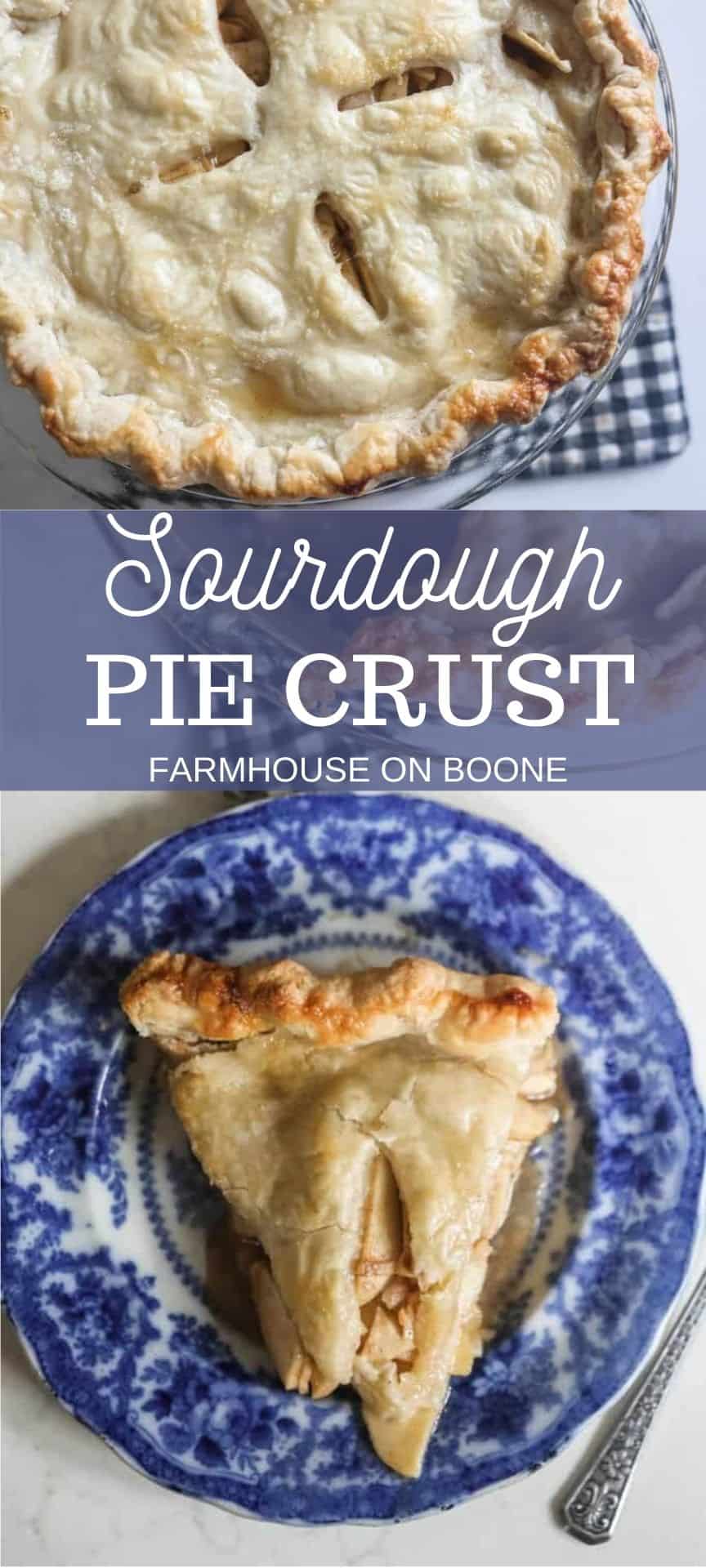

If you maintain a sourdough starter, you know the guilt of discarding perfectly good starter every feeding cycle. A sourdough discard pie crust transforms that waste into something delicious–a flaky, slightly tangy pastry that works beautifully for sweet and savory pies alike. Unlike traditional pie dough, the sourdough adds depth and complexity while the fermentation helps develop a tender crumb. Here’s how to turn your next discard into an exceptional crust.
How to Make Sourdough Discard Pie Crust
This recipe yields enough dough for a 9-inch single-crust pie and requires just 30 minutes of hands-on work, though total time includes chilling.
Ingredients
- 1 cup active sourdough discard (fed starter at peak, bubbly)
- 1 1/2 cups all-purpose flour
- 1/2 cup cold butter, cubed into small pieces
- 1/2 teaspoon fine sea salt
- 2-4 tablespoons ice water
Method
Combine dry ingredients
In a medium bowl, whisk together flour and salt. This distributes the salt evenly and prevents clumping when wet ingredients are added. Set aside.
Cut in the butter
Add cold butter cubes to the flour mixture. Using a pastry cutter, two knives, or your fingertips, work the butter into the flour until the texture resembles coarse breadcrumbs with some pea-sized pieces remaining. This creates the flaky layers in your finished crust.
Incorporate sourdough discard
Stir in your sourdough discard with a fork, mixing gently until the dough just comes together. Avoid overworking–overmixing develops gluten and creates a tough crust rather than a tender one.
Add water as needed
If the dough is very dry and won’t hold together, add ice water one tablespoon at a time, stirring gently. The dough should hold together when pinched but not be wet or sticky.
Shape and chill
Form the dough into a disk roughly 1 inch thick, wrap it tightly in plastic wrap, and refrigerate for at least 2 hours or up to overnight. Chilling allows the gluten to relax and the flavors to develop.
Roll out the crust
Remove dough from the refrigerator and let it sit at room temperature for 5-10 minutes to soften slightly. On a floured surface, roll the disk to about 1/8-inch thickness, turning and reflourring as needed to prevent sticking. Transfer to your pie pan.
Blind bake if needed
For custard or cream pies, prick the crust with a fork, line with parchment paper, add pie weights or dried beans, and bake at 375F for 15 minutes. Remove weights and parchment, then cool slightly before filling.
Fill and finish baking
Add your filling and bake according to your specific pie recipe. The sourdough crust will develop a rich golden-brown color and subtle tang that complements both fruit and savory fillings.
- Keep all ingredients cold, especially the butter and water. Cold butter creates steam pockets that produce flakiness.
- Don’t skip the chilling step. This resting period is crucial for relaxing gluten and preventing shrinkage during baking.
- Use discard that’s at peak activity (doubled in volume, bubbly on top) for best flavor and rise in your crust.
Essential Equipment for Pie Baking
- Pie Pan: A ceramic, glass, or metal 9-inch pie pan conducts heat evenly and produces uniform browning. Ceramic and glass allow you to monitor browning from underneath. Metal conducts heat fastest, which some bakers prefer for crisper bottoms.
- Pastry Cutter or Blender: A pastry cutter with curved wires or a pastry blender with multiple blades makes quick work of cutting cold butter into flour. This tool is essential for achieving the coarse breadcrumb texture needed for flaky pie crust.
- Rolling Pin: A smooth rolling pin helps you achieve even thickness across your dough. Wooden pins are traditional and provide good friction; marble stays cool and prevents sticking.
- Pie Weights: Ceramic or stainless steel pie weights prevent crust puffing and shrinkage during blind baking. Reusable options last indefinitely and distribute heat evenly across the entire crust.
Emile Henry Ceramic Pie Dish, 9-inch
Best for: Home bakers who want professional results
Emile Henry’s ceramic pie pan combines even heat distribution with beautiful presentation. The glazed surface prevents sticking, and the generous rim supports edge browning and sealing. These pans are oven-safe to 500F, durable enough for decades of baking, and elegant enough to bring directly to the table. Available in multiple colors that complement any kitchen aesthetic.
Check Current Price on Amazon →Pyrex Standard Glass Pie Plate, 9-inch
Best for: Budget-conscious bakers starting out
Pyrex glass pie plates are affordable, durable, and transparent so you can monitor crust browning from underneath. The clear glass helps you see exactly when the bottom is golden and crispy. These plates are shatterproof borosilicate glass, dishwasher safe, and widely available at every grocery store. Perfect for beginners and everyday baking.
Check Current Price on Amazon →OXO Good Grips Pastry Blender
Best for: New bakers mastering dough techniques
OXO’s pastry blender features five sturdy wires with comfortable ergonomic handles that make cutting butter into flour effortless and intuitive. The design is forgiving for beginners–it’s nearly impossible to apply too much pressure. The wide blade area covers more surface quickly, reducing the time needed to achieve the ideal breadcrumb texture.
Check Current Price on Amazon →All-Clad Stainless Steel Rolling Pin
Best for: Serious bakers and pie enthusiasts
All-Clad’s weighted stainless steel rolling pin requires minimal pressure to roll dough evenly. The smooth surface prevents sticking, and the weight helps develop consistent thickness without repetitive strain. Professional-grade construction means it will last generations. The neutral weight distribution allows gravity to do the work for you.
Check Current Price on Amazon →Transform Your Sourdough Discard Into Pie Crust
A sourdough discard pie crust is an elegant solution to starter maintenance and a delicious upgrade to your pie game. By using ingredients you already have on hand–your active sourdough discard, butter, flour, and salt–you create a crust with complex flavor and superior texture. The tangy undertones complement both classic fruit pies and savory quiches. With just eight simple steps and proper chilling time, you’ll produce restaurant-quality results that will impress family and guests.
Investing in quality pie-making equipment elevates your entire baking experience. A good ceramic or glass pie pan, a reliable pastry cutter, and a weighted rolling pin remove frustration and deliver consistent, beautiful results. Start with one quality tool and build your collection over time. Your sourdough starter is already feeding your kitchen with flavor–now let it feed your table with delicious, homemade pies.
Frequently Asked Questions
Can I use inactive or dormant sourdough discard for pie crust?
You can, but active discard at peak fermentation produces superior flavor and texture. Inactive discard will still work, but use only 3/4 cup and add extra water as needed. Peak discard is bubbly, doubled in volume, and smells strongly of sourdough–this is ideal for baking.
How long does sourdough pie crust dough keep in the refrigerator?
Properly wrapped in plastic, the dough lasts up to 5 days in the refrigerator. You can also freeze it for up to 3 months. Thaw frozen dough overnight in the refrigerator before rolling. The longer it rests, the more developed the sourdough flavor becomes.
Why is my pie crust shrinking during blind baking?
Shrinkage usually happens when dough is overworked, not chilled enough, or rolled too thin. Ensure you chill for at least 2 hours, handle gently while rolling, and use pie weights during blind baking. Let the baked crust cool completely before filling to set the shape.
Can I make sourdough pie crust without blind baking?
Yes, for cream and custard pies that bake at lower temperatures (325-350F), you can skip blind baking. For fruit pies baking at 375F or higher, blind bake for 15 minutes to prevent a soggy bottom crust from the wet filling.
Does sourdough pie crust taste noticeably different from regular pie crust?
Yes, it has a subtle tang and slight yeasty depth that complements both sweet and savory pies. First-time bakers often find it more flavorful than standard butter-based crusts. The flavor is mild enough not to overwhelm delicate fillings like lemon or custard.
As an Amazon Associate, Build & Bloom earns from qualifying purchases. We only recommend products we genuinely think are useful. Prices and availability vary; check Amazon for the latest.
Leave a Reply