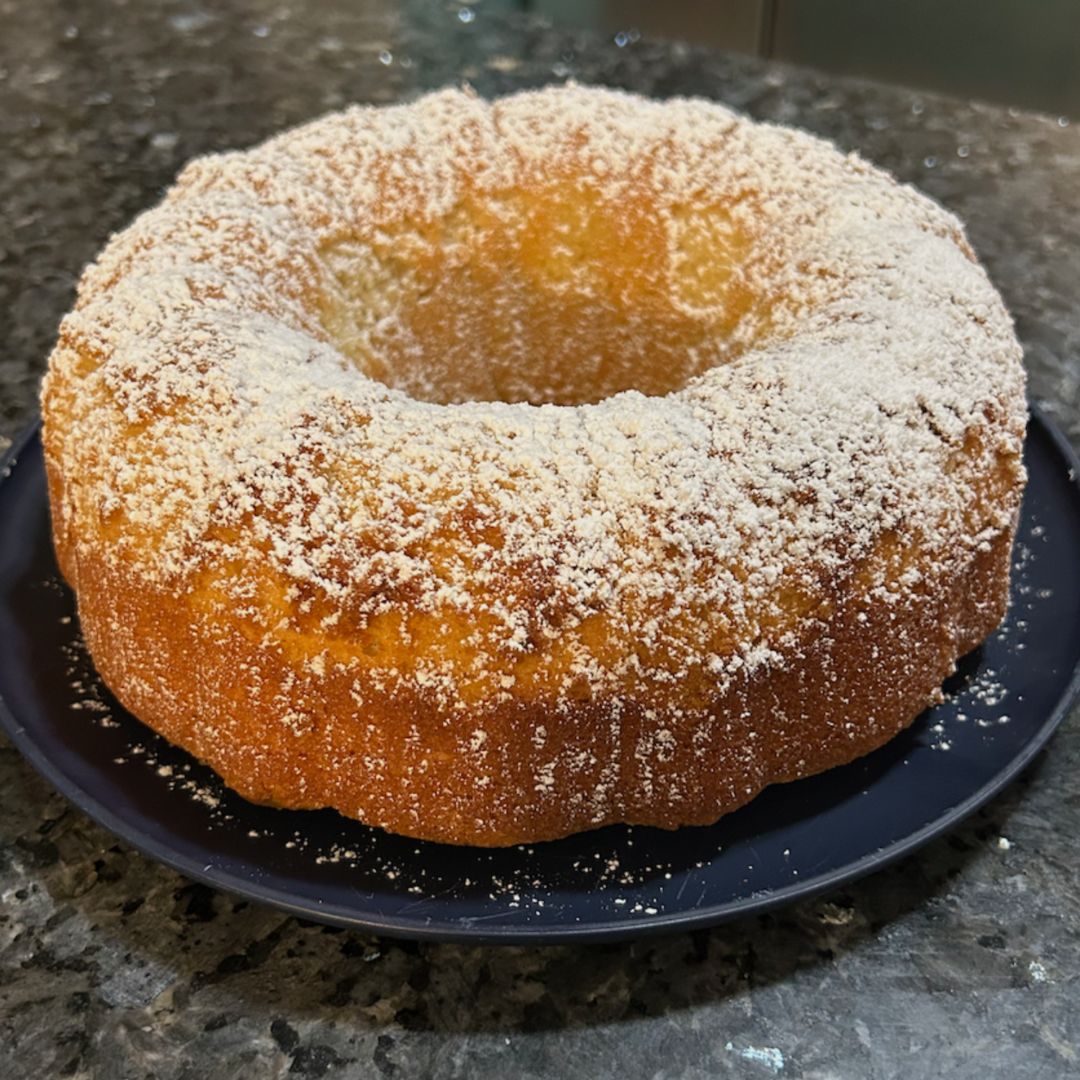

If you maintain a sourdough starter, you know the challenge: weekly discard creates waste, and ‘discard pancakes’ get boring fast. A sourdough discard pound cake transforms that obligation into a genuine treat—one that’s actually *better* because of the starter. The acidity creates incredible moisture and a subtle tang that makes people ask what your secret is. This recipe is straightforward, uses pantry staples, and produces a cake dense enough to taste rich but tender enough to melt on your tongue.
How to Bake Sourdough Discard Pound Cake
This recipe yields one standard loaf cake with a tight, moist crumb. Start with room-temperature ingredients for even mixing.
Ingredients
- 1 cup (240 ml) active sourdough discard at room temperature
- 1 cup (225g) unsalted butter, softened
- 1 1/2 cups (300g) granulated sugar
- 4 large eggs, room temperature
- 2 cups (250g) all-purpose flour
- 1/2 teaspoon baking soda and 1/2 teaspoon salt (mixed together)
Method
Prepare Your Pan and Oven
Preheat your oven to 325°F (160°C). Grease a loaf pan thoroughly with butter or cooking spray, then line the bottom with parchment paper. This prevents sticking and allows easy removal. The lower oven temperature prevents the outside from browning too fast while the dense batter cooks through.
Cream Butter and Sugar Together
In a large mixing bowl, combine softened butter and sugar. Beat with an electric mixer on medium speed for 3-4 minutes until the mixture is pale, fluffy, and noticeably lighter in color. This creaming process incorporates air, which helps the pound cake rise slightly and creates a tender crumb structure.
Add Eggs One at a Time
With the mixer running on low speed, add eggs individually, beating for about 30 seconds after each addition. Wait until each egg is fully incorporated before adding the next. This gradual approach ensures even distribution and prevents the batter from becoming greasy or curdled.
Fold In Sourdough Discard
Add the sourdough discard to the wet mixture and gently fold with a spatula until just combined. Don’t overmix at this stage. The discard adds moisture, tang, and subtle fermentation flavor while keeping the batter tender. Overworking can develop gluten and make the cake tough.
Combine Dry Ingredients Separately
In a separate bowl, whisk together flour, baking soda, and salt. This ensures the leavening agent is distributed evenly throughout, preventing bitter spots. Sifting isn’t required, but whisking for 30 seconds achieves the same result.
Combine Wet and Dry Ingredients
Add the dry mixture to the wet mixture in two additions, folding gently with a spatula after each addition until just combined. Stop as soon as you no longer see streaks of flour. Overmixing develops gluten and results in a dense, tough cake rather than the tender crumb you’re after.
Transfer to Pan and Bake
Pour the batter into your prepared loaf pan and smooth the top gently. Bake for 55-65 minutes until a skewer inserted in the center comes out with a few moist crumbs (not wet batter, but not completely clean). The sourdough discard means this cake will stay moist longer than traditional pound cake.
Cool and Store
Allow the cake to cool in the pan for 15 minutes, then turn out onto a wire rack to cool completely. Once fully cooled, wrap in plastic wrap or store in an airtight container. This cake actually improves after 24 hours as flavors meld and moisture redistributes evenly.
- Room temperature ingredients are essential—cold eggs or butter won’t incorporate properly, leading to a grainy texture. Remove everything from the fridge 30 minutes before starting.
- If your sourdough discard is very thick and bubbly, you can thin it slightly with a tablespoon of milk before adding to ensure smooth mixing.
- This cake freezes beautifully for up to 3 months wrapped tightly, making it perfect for batch baking when you have excess discard.
Essential Equipment for Baking Pound Cake
- Loaf Pan: A standard metal loaf pan (8×4 or 9×5 inches) conducts heat evenly and prevents warping. Darker nonstick pans may brown the edges faster, so reduce oven temperature by 25°F if using one.
- Electric Mixer: A stand mixer or hand mixer is crucial for properly creaming butter and sugar, which aerates the batter. This step cannot be replicated effectively by hand.
- Instant-Read Thermometer or Cake Tester: A skewer or cake tester accurately determines doneness. Pound cakes are dense and benefit from a thermometer showing 205-210°F internal temperature for optimal results.
- Mixing Bowls: You’ll need at least two bowls—one large for wet ingredients and one for dry. Stainless steel or glass bowls work best as they don’t react with acidic sourdough.
KitchenAid Artisan 5-Quart Stand Mixer
Best for: Serious bakers making pound cake regularly
The gold standard for creaming butter and sugar. The KitchenAid Artisan handles dense batters effortlessly with multiple speed settings and a durable motor. The bowl capacity accommodates full-size recipes without splashing, and the flat mixing paddle ensures even incorporation. Its reputation for longevity means this investment pays dividends across hundreds of baking projects.
Check Current Price on Amazon →Hamilton Beach 6-Speed Hand Mixer
Best for: Casual bakers and small batches
A reliable hand mixer that handles pound cake batter without breaking the bank. Six speed settings allow control over mixing intensity, and the lightweight design is comfortable for extended use. Twin beaters mix efficiently, and the compact footprint suits small kitchens.
Check Current Price on Amazon →USA Pan Bakeware Aluminized Steel Loaf Pan
Best for: First-time pound cake bakers
An affordable, reliable 9×5-inch loaf pan made from commercial-weight aluminized steel. The gray color indicates even heat distribution without excessive browning. Warp-resistant construction ensures consistent results year after year. The reasonable price means you can own multiple pans without guilt.
Check Current Price on Amazon →Le Creuset Heritage Loaf Pan
Best for: Bakers who want heirloom-quality equipment
A gorgeous enameled cast iron loaf pan that conducts heat beautifully and adds visual appeal to your kitchen. The Le Creuset brand is synonymous with durability—these pans are passed down through generations. While pricier, the even heat distribution produces exceptional results and the pan doubles as a serving vessel.
Check Current Price on Amazon →Final Recommendation
Sourdough discard pound cake is one of the most rewarding uses for your weekly starter discard. The recipe is straightforward, requires no special ingredients beyond what you already have, and produces a cake that tastes intentionally tangy and deliberately moist. More importantly, it transforms a baking obligation into a genuine luxury—something you’ll look forward to making. The combination of fermented starter, properly creamed butter, and careful folding creates a tender crumb that improves with age, making it perfect for batch baking or gifting.
Invest in a quality stand mixer if you bake regularly (the KitchenAid is genuinely worth it), grab a reliable loaf pan and an instant-read thermometer, and you’re set. These three tools will serve you across countless recipes far beyond this single cake. Make your first batch this week while your sourdough starter is most active, and you’ll understand why this simple recipe creates such disproportionate delight.
Frequently Asked Questions
What is sourdough discard and can I use it if it’s not bubbly?
Sourdough discard is the portion of starter you remove during weekly feedings. Bubbly discard has recently fermented and adds maximum tang and leavening power, but you can use inactive discard—the cake will simply be less sour and may need slightly longer to bake through. For best results, use discard within a few hours of feeding your starter.
Can I substitute the sourdough discard with something else?
You could replace it with yogurt or sour cream (same amount), but you’ll lose the sourdough flavor. The discard is special because it provides moisture, tang, and fermentation activity simultaneously. That combination is hard to replicate exactly.
Why did my pound cake sink in the middle?
Overmixing after adding flour develops too much gluten, causing the center to collapse during cooling. Mix dry and wet ingredients just until combined—streaks of flour are fine and indicate you’ve stopped at the right moment. Opening the oven door before 50 minutes can also cause sinking.
How long does this cake stay fresh?
Wrapped tightly at room temperature, it stays fresh for 3-4 days. The sourdough keeps it moist longer than traditional pound cake. Refrigerate for up to a week or freeze for three months. Thaw at room temperature before serving for best texture.
Can I make this recipe without a stand mixer?
Yes, though it requires patience. Use a hand mixer for creaming butter and sugar (aim for 5-6 minutes), then switch to a spatula for gentle folding of wet and dry ingredients. The key is proper creaming—anything less leaves the cake dense.
As an Amazon Associate, Build & Bloom earns from qualifying purchases. We only recommend products we genuinely think are useful. Prices and availability vary; check Amazon for the latest.
Leave a Reply