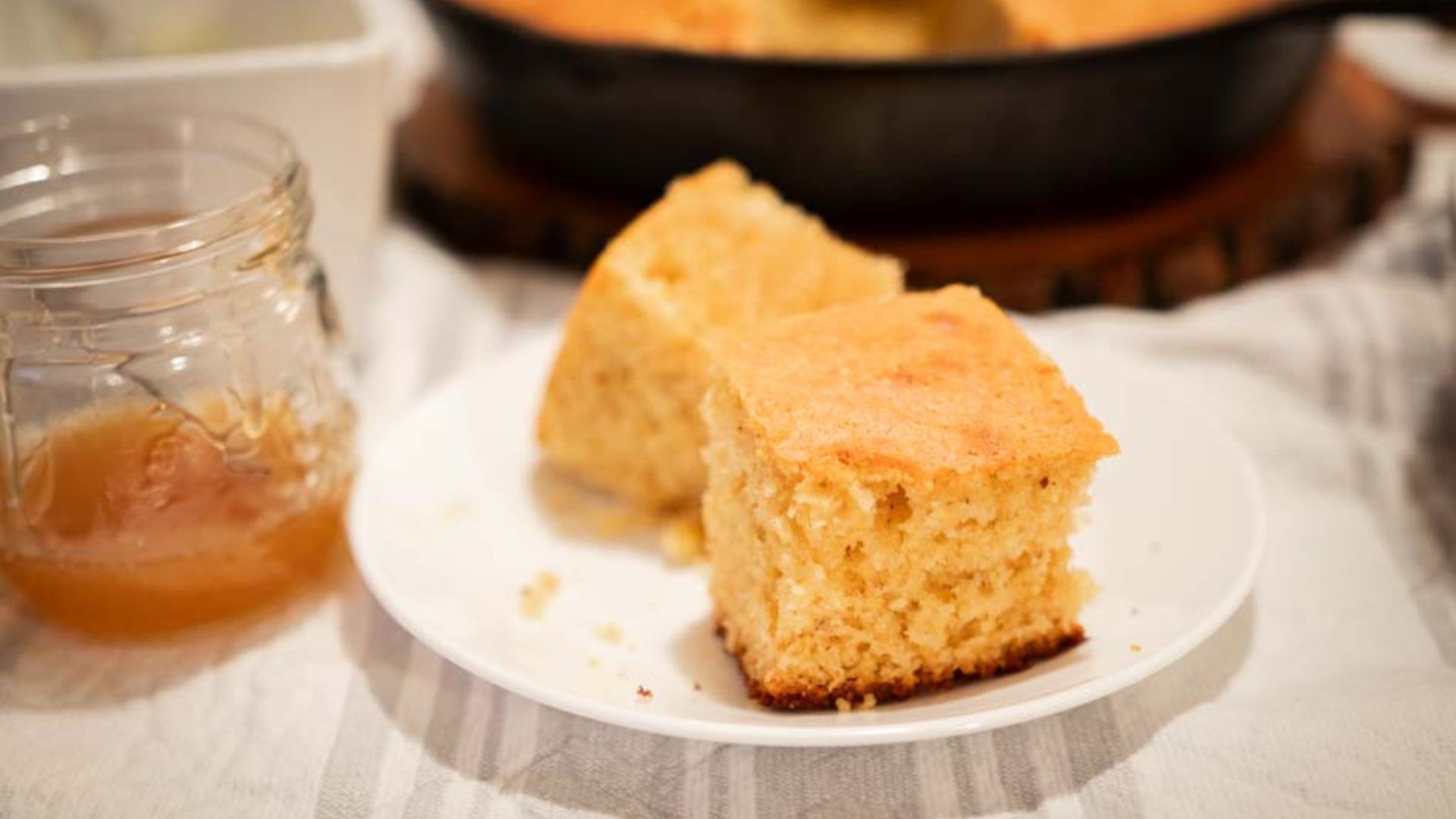

If you’ve been feeding a sourdough starter but are tired of making the same loaves, skillet cornbread is a game-changing way to use your discard. This recipe delivers that signature sourdough tang in a completely different form–moist, crumbly, and comforting. The cast iron skillet creates golden, crispy edges while the interior stays tender, and the fermentation time adds depth that boxed cornbread mixes simply can’t match.
How to Make Sourdough Skillet Cornbread
This straightforward recipe uses pantry staples combined with active sourdough starter to create a rustic cornbread with complex flavor. Baking time is quick, and the results are perfect alongside chili, soup, or eaten warm with butter.
Ingredients
- 1 cup active sourdough starter (fed 4-8 hours before baking, bubbly and risen)
- 1 cup cornmeal (yellow or white, not cornstarch)
- 1 cup all-purpose flour
- 1/4 cup sugar or honey
- 1/2 cup butter, melted (plus extra for the pan)
- 2 large eggs
- 1 cup buttermilk or milk mixed with 1 tablespoon lemon juice
- 2 teaspoons baking powder
- 1 teaspoon salt
Method
Prepare and preheat
Preheat your oven to 400F (200C). Place a heavy skillet in the oven while it heats, ensuring it gets very hot. This preheating step is crucial for creating those crispy, golden edges. Generously coat the hot skillet with melted butter just before adding the batter.
Combine wet ingredients
In a large mixing bowl, whisk together the active sourdough starter, melted butter, eggs, and buttermilk until well combined. The mixture should be smooth with no large lumps of starter visible. Take your time here to ensure even distribution of the starter throughout.
Mix dry ingredients separately
In a separate medium bowl, whisk together cornmeal, flour, sugar, baking powder, and salt. Breaking this into a separate step prevents overmixing and ensures the leavening agents are evenly distributed throughout the dry mixture.
Combine wet and dry
Pour the wet ingredients into the dry ingredients and stir until just combined. The batter should be slightly lumpy–do not overmix. Overmixing develops gluten and results in a tough, dense cornbread rather than the tender crumb you’re after.
Pour into hot skillet
Carefully remove the hot skillet from the oven and pour the batter into the center. The butter should sizzle immediately. Tilt and spread the batter to fill the skillet evenly. Return immediately to the oven.
Bake until golden
Bake for 20-25 minutes, until the top is deep golden brown and a wooden pick inserted in the center comes out clean or with just a few moist crumbs. The edges should be noticeably darker and crispy. Don’t overbake or the cornbread will dry out.
Cool briefly before serving
Remove from the oven and let rest in the skillet for 5-10 minutes. This allows the structure to set slightly and makes removal easier. You can serve it directly from the skillet or turn it out onto a cooling rack if you prefer.
- Use a starter that’s at peak activity (doubled in size, bubbly on top, smells pleasantly sour) for the best rise and flavor. If your starter isn’t quite ready, let it sit another 2-4 hours after feeding.
- Don’t skip preheating the skillet–the initial high heat creates the signature crispy crust that makes this recipe special. A cold pan will bake cornbread that’s cake-like throughout.
- Add mix-ins like fresh or frozen corn kernels, diced jalapenos, crispy bacon bits, or sharp cheddar cheese to customize your cornbread. Fold these in gently during the final mixing step.
What to Look For in Cornbread Baking Equipment
- Cast iron skillet size: Look for a 10 to 12-inch skillet. This size distributes heat evenly across the batter and provides enough surface area for excellent crust development without the cornbread baking too thin.
- Heat retention capacity: Cast iron is ideal because it holds temperature consistently, but stainless steel or ceramic skillets work too. Avoid glass baking dishes for this recipe as they don’t create the same crispy edges.
- Mixing bowl size: Use a bowl that’s large enough to combine ingredients without splashing. A 3 to 4-quart bowl gives you plenty of room for mixing both wet and dry components.
- Measuring accuracy: Invest in a simple dry measuring cup set and liquid measuring cup. Accurate measurements of cornmeal and flour are important for the correct texture, so proper measuring tools ensure consistency.
Lodge 10.25 Inch Cast Iron Skillet
Best for: Anyone making skillet cornbread
Lodge’s pre-seasoned cast iron skillet is the gold standard for cornbread baking. The 10.25-inch size is perfect for this recipe, distributing heat evenly while creating crispy, golden edges. It’s heavy enough to retain temperature but not so massive that home cooks struggle to handle it. Lodge skillets come seasoned and ready to use, developing better seasoning with each baking session. This is a lifetime investment that works equally well for cornbread, skillet cookies, and stovetop cooking.
Check Current Price on Amazon →Cuisinel Pre-Seasoned Cast Iron Skillet 10 Inch
Best for: Budget-conscious bakers starting out
Cuisinel delivers solid cast iron performance at a fraction of the price of premium brands. This 10-inch skillet heats evenly and produces excellent cornbread results. It comes pre-seasoned, so there’s no seasoning learning curve. While not quite as thick as heritage brands, it’s durable and will last decades with basic care. Perfect if you want to try cast iron baking without a significant investment.
Check Current Price on Amazon →Field Company Cast Iron Skillet 10 Inch
Best for: Cast iron enthusiasts seeking heirloom quality
Field Company skillets are hand-finished and polished to a smooth cooking surface that rivals vintage cast iron. The 10-inch size is ideal for cornbread, and the superior surface finish means better browning and less sticking. Field Company skillets are made in Pennsylvania and built to last generations. This is the choice for serious cooks who appreciate craftsmanship and are willing to invest in premium tools.
Check Current Price on Amazon →OXO Good Grips Measuring Cup Set
Best for: Home bakers who want accurate measurements
OXO’s measuring cup set includes both dry and liquid measures with clear graduations and easy-grip handles. The cups are dishwasher safe and durable, making them perfect for repeated use in your sourdough and cornbread routine. Accurate measurements directly impact your cornbread texture, and this affordable set ensures you’re getting consistent results every time.
Check Current Price on Amazon →Make Sourdough Cornbread Your New Favorite
Sourdough skillet cornbread bridges the gap between rustic comfort food and artisanal baking. Unlike standard cornbread recipes that rely on chemical leavening alone, the sourdough starter adds complexity, moisture, and a subtle tang that makes people ask for your recipe. The cast iron skillet is non-negotiable here–it’s the tool that transforms a good cornbread into an unforgettable one with those crispy, golden edges. Whether you’re serving it alongside chili, soaking up the last of your soup, or eating it warm with honey butter, this recipe delivers every time.
Invest in one quality cast iron skillet and you’ve set yourself up for years of baking success. A Lodge or Field Company skillet costs less than many specialty kitchen gadgets but will outlast them all. Keep your sourdough starter fed and bubbly, measure your ingredients carefully, and remember: the magic is in the simplicity. Once you master this recipe, you’ll find yourself baking cornbread every week.
Frequently Asked Questions
Can I use sourdough discard instead of active starter?
Yes, you can use sourdough discard, but active starter gives better rise and more pronounced tang. If using discard, add 1/2 teaspoon of baking soda to the dry ingredients to boost leavening since discard hasn’t been recently fed.
What’s the difference between yellow and white cornmeal?
Yellow and white cornmeal produce nearly identical results in terms of texture and crumb. Yellow cornmeal has slightly higher beta-carotene and tastes marginally sweeter, while white cornmeal is more neutral. Choose based on personal preference–either works beautifully here.
Can I make this in a regular baking pan instead of a skillet?
Yes, an 8×8 or 9×9 inch baking pan works, though you’ll lose the signature crispy edges that make cast iron special. If using a baking pan, reduce baking time by 3-5 minutes since the pan doesn’t retain heat as effectively.
How do I store leftover cornbread?
Cover cooled cornbread tightly and store at room temperature for up to 2 days, or refrigerate for up to 5 days. To reheat, wrap in foil and warm in a 350F oven for 10-15 minutes. Cornbread can also be frozen for up to 3 months.
Why did my cornbread turn out dense?
Dense cornbread usually results from overmixing (which develops gluten), using inactive starter, or baking in a pan that wasn’t preheated. Ensure your starter is bubbly and active, mix minimally, and always preheat your skillet thoroughly.
As an Amazon Associate, Build & Bloom earns from qualifying purchases. We only recommend products we genuinely think are useful. Prices and availability vary; check Amazon for the latest.
Leave a Reply