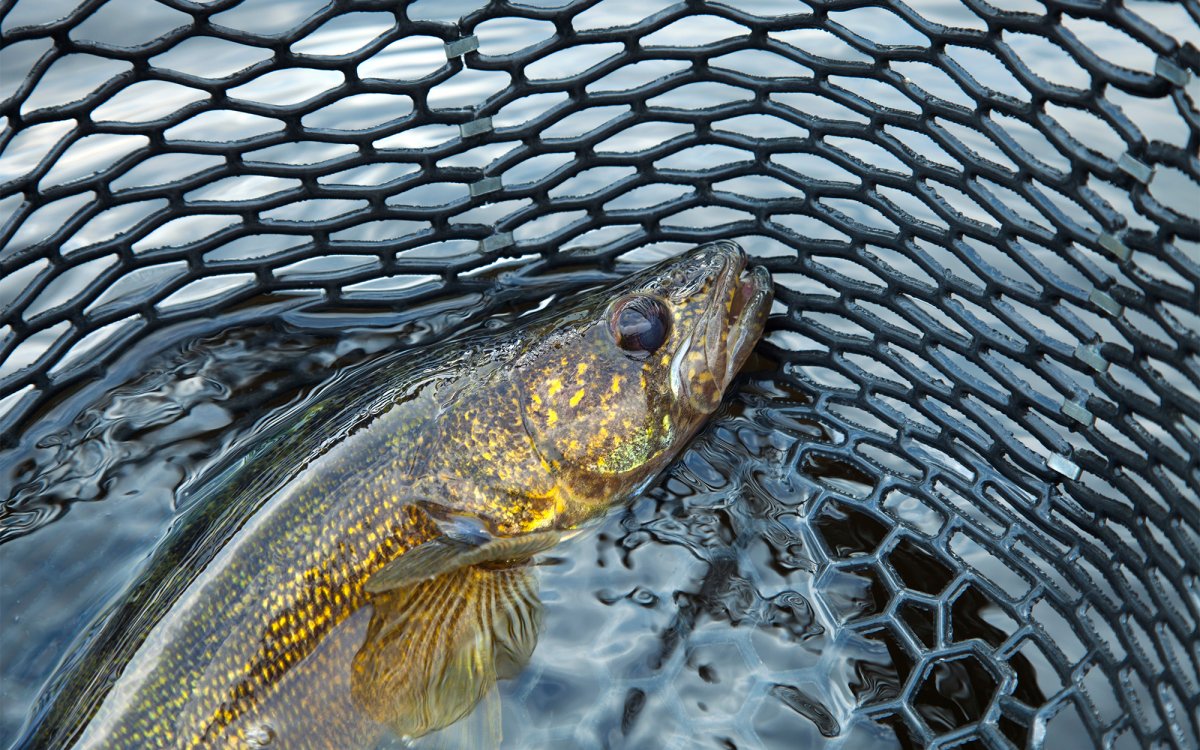

If you’re planning to add fish farming or pond harvesting to your homestead, recent data from Minnesota reveals a critical issue: modern sonar technology is fundamentally changing how much fish communities can sustain. Anglers are harvesting 80 million pounds annually—more than double the state’s estimates—largely due to forward-facing sonar systems that eliminate guesswork from fishing. For homesteaders relying on fish as a protein source, understanding this technology and its ecological consequences is essential to building a truly sustainable system.
How Forward-Facing Sonar Works and Why It Matters for Sustainable Harvesting
Forward-facing sonar represents a dramatic shift in fishing technology, moving beyond traditional downward-looking systems. Here’s what every homesteader should understand about how it functions and its implications for long-term fish populations.
Key Concepts
- Sonar fundamentals: Sound-wave-based detection that bounces signals off fish to create real-time visual maps on digital displays
- Casting range and accuracy: Modern systems detect fish 50-150 feet away and identify species, size, and exact depth with high precision
- Fish behavior patterns: Understanding how fish schools respond to seasons, water temperature, and light cycles independent of technology
- Population sustainability metrics: Learning what harvest rates individual waters can support without long-term depletion
- Regulatory frameworks: State and local rules designed to balance recreational and subsistence fishing with ecosystem health
Principles
Understand the Technical Advantage Sonar Provides
Forward-facing sonar uses high-frequency sound waves to paint a live picture of the water column in front of you, rather than below you. Unlike traditional downward-looking transducers, this technology shows fish movement, depth, and species identification in real time. This eliminates the uncertainty that historically limited harvest rates—anglers can now target specific fish rather than hoping to catch something. The result is dramatically improved catch efficiency, which explains why Minnesota harvest rates exceeded estimates by 100 percent.
Recognize the Sustainability Problem This Creates
Technology doesn’t change fish reproduction rates or ecosystem capacity. When harvest efficiency doubles but fish populations remain static, you create an ecological deficit. Minnesota’s situation demonstrates this clearly: fish didn’t suddenly become twice as abundant, but harvesting methods became twice as effective. For homesteaders planning permanent food systems, this teaches a critical lesson: technology that increases efficiency doesn’t automatically make harvesting more sustainable. You must actively reduce total harvest volume to compensate for improved catching ability.
Calculate Your System’s Sustainable Yield
Before implementing any harvesting system, establish what your water source can actually produce annually. This requires understanding your water body’s size, species composition, growth rates, and natural mortality. If you’re harvesting from a managed pond, research shows that removing 15-25 percent of the standing stock annually maintains population stability. If you’re harvesting from natural waters, consult DNR estimates rather than assuming technology-aided harvesting won’t deplete reserves. The Minnesota case study shows that personal perception of sustainability is unreliable when powerful technology is involved.
Adopt Harvest Limitations Based on Data, Not Opportunity
The difference between sustainable and destructive harvesting isn’t whether fish are available—it’s whether you voluntarily limit your take. Just because you can locate and catch 100 pounds of fish doesn’t mean your system can support it. Establish annual or seasonal harvest targets based on population studies, not on what technology allows. This might mean catching fewer fish than sonar shows you could take, but it’s the only way to ensure your homestead food system remains viable for decades rather than crashing within years.
Monitor Population Health Indicators Over Time
Sustainable harvesting requires regular assessment of your fish population’s condition. Track average fish size—declining size indicates you’re removing breeding-age fish faster than they reproduce. Note catch-per-unit-effort: if you’re catching fewer fish per hour despite having the same technology, populations are declining. Observe predator-prey balance: if you’re harvesting top predators, smaller fish populations may explode unhealthily. These biological signals matter far more than how many fish your sonar can locate.
Balance Technology Capability Against Ecological Ethics
Having technology that allows overharvesting creates a personal ethics question for homesteaders building long-term systems. The most resource-efficient choice isn’t always the most sustainable choice. Consider deliberately fishing without sonar despite having access to it, or using sonar for observation while maintaining low harvest targets. Some homesteaders find that limiting themselves to traditional methods—observing fish behavior, understanding seasonal patterns, accepting lower catch rates—creates more resilient systems and deeper ecological knowledge.
- Start your homestead fishing system assuming lower sustainable yields than technology suggests is possible—it’s easier to increase harvest targets if populations remain healthy than to recover depleted populations.
- Contact your state’s fish and wildlife agency for population surveys specific to your water source; their data beats personal observation when designing long-term harvesting systems.
- Keep detailed harvesting records: date, quantity, fish size, and effort required. These logs reveal population trends far better than casual observation and justify your system’s sustainability to yourself and others.
What to Look For in Fish Population Monitoring Equipment
- Accuracy and Detection Range: Choose systems that clearly display fish size categories and depth information. Accuracy matters because overestimating fish populations leads to unsustainable harvest targets. Look for devices that distinguish between different species if you’re managing mixed-species ponds.
- Data Recording and Review Capability: Equipment that logs and displays historical data helps you track population trends over seasons and years. This feature transforms random observations into meaningful sustainability metrics you can use to adjust future harvest targets.
- Display Clarity and Waterproofing: Homestead monitoring equipment faces rough conditions and outdoor lighting. Choose systems with bright, high-contrast displays readable in sunlight and fully waterproof construction that survives splashing and occasional submersion.
- Ease of Installation and Maintenance: Complex systems requiring professional installation or frequent calibration create barriers to consistent monitoring. Prioritize plug-and-play options that homesteaders can install independently and maintain without specialized tools.
Garmin Striker Vivid 7sv GPS Fish Finder
Best for: Homesteaders establishing comprehensive pond monitoring systems
The Striker Vivid combines advanced sonar capability with GPS mapping and data logging, making it ideal for tracking fish populations over time. The high-resolution display shows fish in real time while recording data for sustainability assessment. Dual-frequency transducer gives detailed bottom structure and fish positioning. Built-in mapping helps identify seasonal migration patterns, essential for calculating sustainable harvest rates. Waterproof construction handles pond environments, and the recording function creates the data trails necessary for long-term management decisions.
Check Current Price on Amazon →Deeper PRO+ Smart Fish Finder
Best for: Budget-conscious homesteaders new to fish monitoring
This portable castable sonar connects to your smartphone, eliminating expensive installation. The PRO+ model offers dual-frequency scanning and 230-foot range, sufficient for monitoring small to medium homestead ponds. Real-time app integration provides depth mapping and fish location data without display hardware. Built-in GPS records specific locations where you find fish, helping establish population distribution patterns. Battery life supports several hours of continuous monitoring, and waterproof design survives accidental submersion.
Check Current Price on Amazon →Humminbird Helix 5 G2 Fish Finder
Best for: Homesteaders starting their first monitoring system without technical expertise
The Helix 5 offers straightforward operation, clear visual sonar display, and essential fish-finding features without overwhelming complexity. Single transducer provides reliable depth and fish detection across typical homestead pond sizes. The five-inch color display shows clear sonar imagery and bottom contours, helping you understand your water structure. Built-in GPS marks productive areas for consistent monitoring, and the system stores position history for tracking seasonal changes. Durable construction and simple button controls make this ideal for users prioritizing reliability over advanced features.
Check Current Price on Amazon →Lowrance HDS LIVE Active Imaging Fish Finder
Best for: Experienced homesteaders managing large or complex aquatic systems
This premium system delivers cutting-edge side-imaging and forward-looking sonar simultaneously, providing comprehensive water column visualization. The large touchscreen display integrates mapping, temperature data, and advanced target identification. Dual transducer setup captures multiple sonar perspectives, revealing fish behavior patterns invisible to basic systems. Extensive data logging and cloud connectivity enable sophisticated population trend analysis across multiple seasons. Premium materials and sensor technology justify the investment for homesteaders treating fish production as a serious food system component requiring maximum monitoring capability.
Check Current Price on Amazon →Building Sustainable Fish Harvesting Into Your Homestead
The Minnesota fish harvest story reveals an uncomfortable truth: technology doesn’t create sustainability, it only reveals opportunity. Having access to forward-facing sonar doesn’t make your homestead fish system more sustainable—it makes overharvesting easier. The real path forward involves conscious decision-making: understanding your water source’s actual productive capacity, setting harvest targets based on that capacity rather than what technology allows, and maintaining discipline even when sonar shows abundant fish available.
For homesteaders building long-term food systems, this lesson extends beyond fish. Any technology that increases efficiency—whether sonar, mechanized gardening, or automated harvesting—creates a choice between maximizing short-term yields and maintaining long-term sustainability. The most resilient homestead systems aren’t those with the most advanced equipment; they’re those where homesteaders understand their resource base deeply and deliberately constrain their take to match ecological reality. Start with population monitoring, establish data-driven harvest limits, and adjust your system based on actual fish population trends rather than what your equipment suggests is possible.
Frequently Asked Questions
Does owning forward-facing sonar technology mean I’ll inevitably overfish my pond?
No, but it requires conscious discipline. Technology shows you what’s catchable, not what’s sustainable. You must independently set harvest limits based on population studies and deliberately maintain those limits even when sonar shows abundant fish available. Many experienced sustainable harvesters intentionally use basic equipment rather than advanced sonar to naturally constrain their catch rates.
How often should I monitor my homestead fish population to ensure sustainability?
Monthly monitoring during fishing season establishes baseline trends, while quarterly assessments during off-season help track population recovery. Seasonal monitoring—spring post-spawning, summer during peak activity, and fall pre-winter—reveals reproduction and survival rates. The monitoring frequency matters less than consistency: the same timeframe each year produces comparable data that actually reveals trends.
What’s the difference between a fish finder and forward-facing sonar specifically?
Fish finders traditionally use downward-looking transducers to see directly below your position. Forward-facing sonar uses transducers angled forward to see fish ahead of you in the water column. Forward-facing provides better real-time targeting and coverage area, which is why it’s contributed to overharvesting—it’s simply more effective at locating fish than traditional technology.
Can I use sonar data to improve my harvesting rather than enable overharvesting?
Absolutely. Sonar helps identify seasonal movement patterns, spawning locations to protect, and age structure distribution across your pond. This knowledge enables more strategic, sustainable harvesting: you can target abundant year-classes while protecting breeding populations, avoid spawning areas during critical periods, and adjust harvest timing based on actual population conditions rather than assumptions.
Should I be concerned about sonar affecting fish behavior or stress in my pond?
Fish finders operate at frequencies and power levels that don’t harm fish or significantly alter their behavior. The real concern isn’t the sonar itself—it’s the harvesting efficiency the sonar enables. Focus your sustainability efforts on harvest volume and timing rather than worrying about sonar equipment impacts.
As an Amazon Associate, Build & Bloom earns from qualifying purchases. We only recommend products we genuinely think are useful. Prices and availability vary; check Amazon for the latest.
Leave a Reply