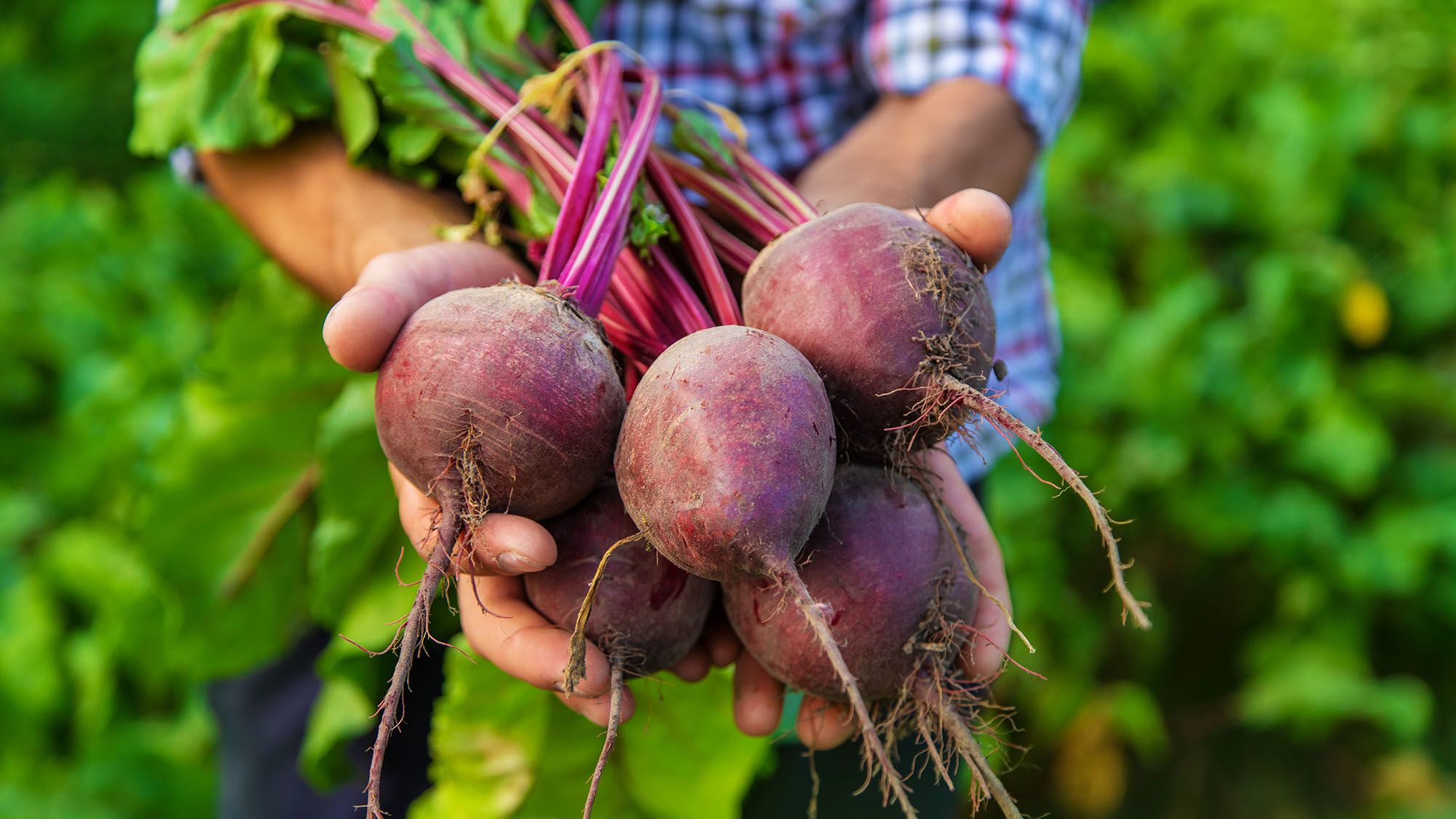

You’ve planted beet seeds, but you’re getting small roots and mediocre flavor. The problem isn’t luck—it’s technique. Most home gardeners miss critical steps that separate decent harvests from pro-level results. The difference comes down to soil quality, spacing, watering consistency, and knowing exactly when to pull your roots from the ground. Let’s fix that.
7 Steps to Growing Bigger, Sweeter Beets
Follow this process from soil prep through harvest to transform your beet garden into a consistent producer of tender, flavorful roots.
What You Will Need
- Loose, well-draining soil amended with compost (beets need soft earth to expand)
- Garden rake for smoothing and preparing beds
- Beet seeds (choose varieties suited to your season)
- Watering can or drip irrigation system
- Garden fork or digging tool for harvesting
- Measuring tape or ruler for proper spacing
Steps
Prepare Loose, Fertile Soil
Beets demand soft, crumbly soil to expand properly—hard or compacted earth creates twisted, stunted roots. Work 2-3 inches of compost into the top 8-10 inches of your garden bed. Break up any clay clumps and remove rocks. The goal is soil that crumbles in your hand like moist chocolate cake. This single step eliminates 90% of beet-growing disappointments.
Direct Sow Seeds at the Right Time
Plant beet seeds directly where they’ll grow—transplanting damages the delicate tap root. Sow seeds 1/2 inch deep, about 1 inch apart, in rows spaced 12-18 inches wide. Plant in early spring for summer harvest or mid-summer for fall beets. Soil should be at least 50 degrees Fahrenheit. Water gently after planting and keep soil moist until seedlings emerge in 7-14 days.
Thin Seedlings Aggressively
This step separates average gardeners from pros. When seedlings are 2 inches tall, thin to 3 inches apart by removing smaller plants. Weeks later, thin again to 4-6 inches apart. Yes, it feels wasteful, but crowded beets compete for nutrients and stay small. The thinned greens are edible—use them in salads. Proper spacing directly doubles your root size.
Water Consistently and Deeply
Beets crack and become woody with irregular watering. Aim for 1-1.5 inches per week through rainfall or irrigation. Water deeply so moisture reaches the root zone—shallow, frequent watering causes weak root development. Use drip irrigation or soaker hoses when possible; overhead sprinklers waste water and promote disease. Mulch around plants with 1-2 inches of organic material to retain soil moisture.
Monitor for Pests and Disease
Watch for flea beetles (tiny holes in leaves) and leaf miners (white squiggly lines). Remove affected leaves promptly. Avoid overhead watering, which spreads fungal issues. If problems appear, use neem oil or insecticidal soap according to product directions. Healthy beets grown in good conditions resist most problems naturally.
Fertilize Sparingly and Strategically
Beets don’t need heavy feeding if your soil is compost-rich. Excess nitrogen produces excessive leafy growth and smaller roots. Apply a balanced, slow-release fertilizer once when plants are 3-4 inches tall. For sandy soil lacking organic matter, side-dress with compost midway through the season. Let soil quality do most of the work.
Harvest at Peak Sweetness
Beets taste sweetest when picked at 1.5-3 inches in diameter—usually 50-70 days after planting depending on variety. Larger beets become woody and less flavorful. Loosen soil with a fork, then pull gently. Clip off greens before storing, leaving 1 inch of stem. Store in cool, humid conditions (32-40 degrees) for months. Early harvest = maximum tenderness.
- Plant beet varieties in succession every 2-3 weeks for continuous harvests rather than one large glut
- Mulch your beet bed to regulate soil temperature and moisture—warm soil and consistent water mean sweeter roots
- Don’t compost diseased beet greens; they can harbor pathogens. Discard or burn them instead
Essential Beet-Growing Equipment Guide
- Quality Garden Fork: Essential for loosening soil before planting and harvesting beets without damaging roots. Look for forged steel construction with 3-4 sturdy tines and a comfortable handle grip for leverage.
- Drip Irrigation or Soaker Hose: Delivers consistent, deep watering directly to the root zone while preventing fungal disease. Saves water and labor compared to hand-watering or sprinklers.
- Garden Rake: Critical for breaking up compacted soil, removing rocks, and creating the loose seed bed beets demand. A level-head rake works best for finishing garden beds.
- Soil pH Tester: Beets prefer slightly acidic to neutral soil (pH 6.0-7.5). A simple soil tester ensures your bed has the right chemistry for optimal sweetness and nutrient uptake.
Fiskars Ergonomic Garden Fork
Best for: Serious gardeners who harvest regularly
The Fiskars 4-tine garden fork features forged steel construction with a corrosion-resistant coating, lightweight aluminum shaft, and ergonomic D-grip handle. Rated for heavy-duty soil work and root vegetables. The tapered tines slice through compacted soil easily without bending, making it ideal for loosening beet beds before planting and extracting mature roots without damage. Backed by Fiskars’ lifetime warranty on steel components.
Check Current Price on Amazon →Raindrip Soaker Hose Kit
Best for: Budget-conscious gardeners new to drip irrigation
The Raindrip 50-foot soaker hose kit includes drip tubing, connectors, and timer-ready fittings for under $30. Delivers water slowly and directly to soil, reducing waste by 50% versus sprinklers. The flat-hose design lays discreetly between beet rows and remains flexible in cold weather. Includes stakes and end caps for complete setup. Works with standard outdoor faucets—no special pressure regulators needed.
Check Current Price on Amazon →Craftsman Welded Steel Garden Rake
Best for: New gardeners preparing raised beds or small plots
Craftsman’s 12-tine welded-steel rake is lightweight (under 3 pounds) yet durable for breaking up clods, smoothing soil beds, and removing rocks. The 48-inch handle provides good leverage without exhausting beginners. Steel teeth don’t bend easily, and the welded head won’t separate from the handle. Affordable and widely available for quick replacement if needed. Perfect for the 25-100 square foot garden beds most home growers start with.
Check Current Price on Amazon →Luster Leaf Rapitest Soil Test Kit
Best for: Gardeners optimizing soil chemistry for maximum flavor
The Rapitest premium soil test kit measures pH, nitrogen, phosphorus, and potassium with color-coded results in minutes—no mail-in delays. Includes 40 tests per nutrient, allowing you to test multiple beds and retest through the season. Results show exactly what your soil needs: if pH is too high, you’ll know to add sulfur; if potassium is low, you’ll add the right amendment. This precision prevents the nutrient guessing game and directly improves beet sweetness.
Check Current Price on Amazon →Final Recommendation
Growing pro-level beets comes down to mastering five fundamentals: loose, compost-rich soil; proper spacing; consistent deep watering; timely harvesting; and minimal fertilizer. Most gardeners skip soil prep or crowd their plants, then wonder why results disappoint. Commit to these seven steps, and you’ll harvest roots that rival farmers market quality. Start with a quality garden fork to prepare your bed properly—it’s the foundational tool that enables everything else.
The Fiskars Ergonomic Garden Fork is your best entry point because it handles both soil preparation and harvest work, making it the single most important investment. Pair it with a soaker hose for consistent watering and a soil test kit to confirm your pH is optimized. These three tools, combined with the techniques outlined above, will transform your beet garden from mediocre to exceptional within one season. Plant now, apply what you’ve learned, and harvest sweeter, bigger roots in 50-75 days.
Frequently Asked Questions
What’s the ideal soil pH for sweetest beets?
Beets grow best in slightly acidic to neutral soil between pH 6.0 and 7.5. If your soil is too acidic (below 6.0), add lime; if too alkaline (above 7.5), add sulfur. Test before planting to avoid guessing. Proper pH ensures nutrient availability and maximum sugar development in roots.
Can I grow beets in containers?
Yes, beets grow well in containers at least 10 inches deep with drainage holes. Use loose, compost-rich potting mix rather than dense garden soil. Space plants 4-6 inches apart. Water more frequently than in-ground beets since containers dry faster. Containers work especially well for early spring or fall crops when space is limited.
How long from seed to harvest?
Most beet varieties mature in 50-75 days from direct sowing, depending on variety and growing conditions. Early varieties like Detroit Dark Red mature around 55 days, while larger storage types take 75+ days. Check your seed packet for the specific variety, and count days from germination, not planting, for accuracy.
Should I save beet greens, and how?
Absolutely—beet greens are nutritious and delicious. Harvest outer leaves once plants are 4-6 inches tall, leaving the growing center intact. Use immediately in salads or sauté like spinach. If storing, refrigerate in a plastic bag for up to 5 days. Don’t compost diseased greens; discard them to prevent spreading pathogens.
What causes beets to crack or split?
Uneven watering is the main culprit—heavy rain or deep watering after a dry spell causes roots to absorb water too fast and split. Maintain consistent soil moisture throughout the growing season with mulch and drip irrigation. Harvest promptly when roots reach ideal size to prevent cracking in mature beets.
As an Amazon Associate, Build & Bloom earns from qualifying purchases. We only recommend products we genuinely think are useful. Prices and availability vary; check Amazon for the latest.
Leave a Reply