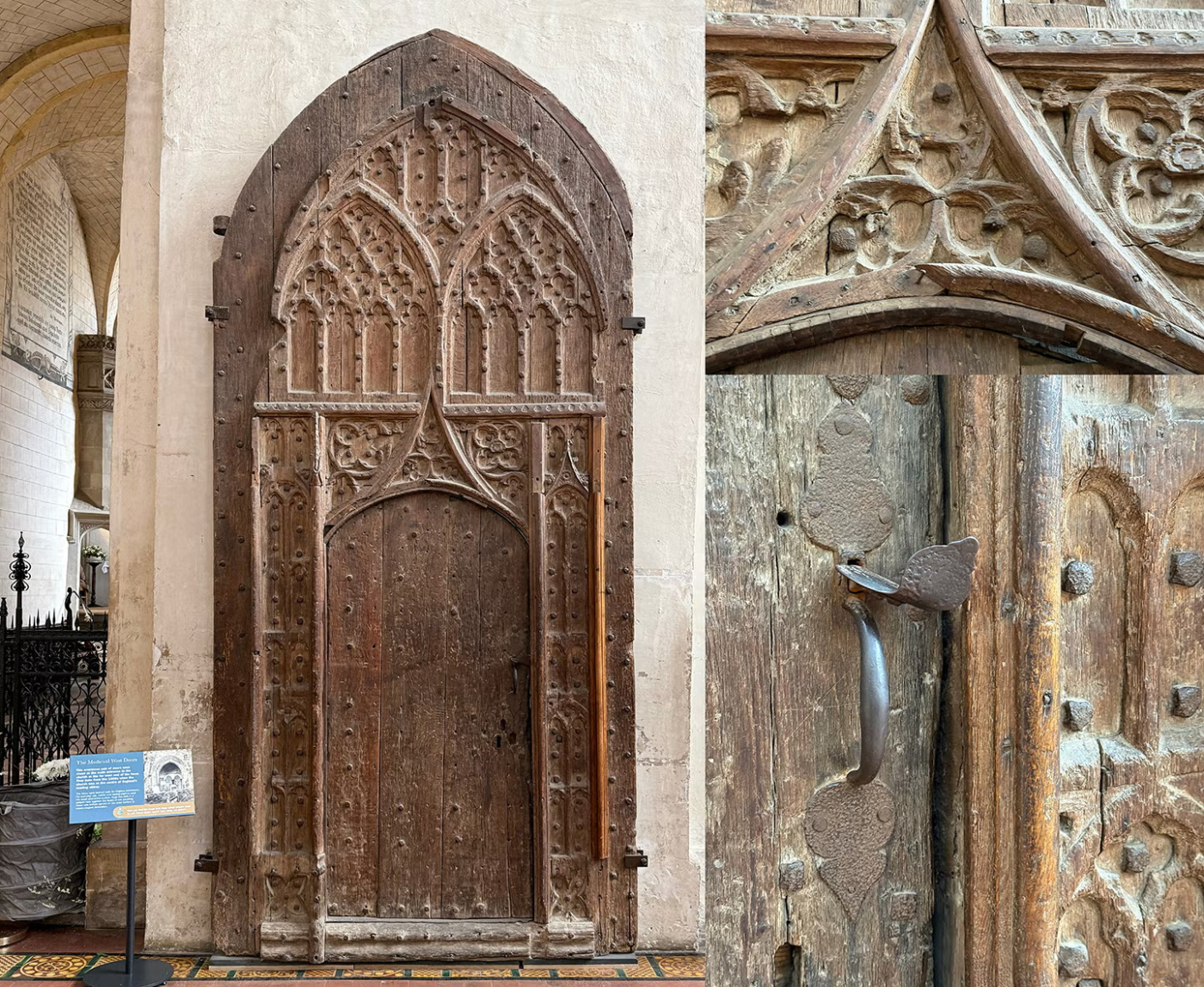

Old-growth wood has become a modern treasure for serious woodworkers—it’s harder, more dimensionally stable, and ages beautifully compared to modern lumber. But sourcing authentic reclaimed timber and preparing it for your projects requires knowledge. Whether you’re restoring antique furniture or building heirloom pieces, understanding where to find old-growth wood and how to evaluate its quality will save you money and frustration while delivering stunning results.
How to Source, Evaluate, and Prepare Old-Growth Wood
Finding quality old-growth timber and preparing it for woodworking involves five key stages: sourcing, evaluation, milling, and finishing. Follow this process to transform reclaimed wood into furniture-grade material.
What You Will Need
- Moisture meter – essential for checking wood stability before purchase
- Hand plane or small plane – for dressing surfaces and removing surface contaminants
- Metal detector – identifies hidden nails and hardware in reclaimed timber
- Sawmill or access to milling equipment – processes rough reclaimed logs into usable lumber
- Safety equipment – dust masks, eye protection, and hearing protection for milling work
- Wood stain or finish – brings out grain character and stabilizes the wood
Steps
Source Reclaimed Wood from Reliable Channels
Locate old-growth timber from architectural salvage yards, deconstruction companies, fallen trees in your area, or specialized reclaimed wood suppliers. Verify the wood’s origin when possible—barn wood, old flooring, and salvaged beams are excellent sources. Ask detailed questions about the wood’s history, age, and previous use to ensure it’s appropriate for your project.
Assess Moisture Content and Stability
Use a moisture meter to test the wood at multiple points. Old-growth wood should be at 6-8% moisture content for interior projects. This is critical because reclaimed wood may have absorbed moisture or dried unevenly. Allow wood to acclimate to your workshop’s humidity for 2-4 weeks before milling to prevent warping after machining.
Scan for Hidden Hardware and Contaminants
Run a metal detector over the surface to locate nails, screws, and brackets embedded in the wood. Hidden hardware will destroy saw blades and create safety hazards. Mark any metal locations, then carefully remove fasteners using appropriate extraction tools. Sand or plane away surface contamination like old paint, soot, or weathering.
Mill the Wood to Thickness and Width
Transport the prepared wood to a sawmill or use a thickness planer to process rough reclaimed stock into usable boards. Old-growth wood is denser than modern lumber, so milling may take longer. Plan for yields of 40-60% depending on the wood’s condition—defects, checking, and discoloration may require removing substantial portions.
Machine and Hand-Dress the Surface
Run milled boards through a surface planer to achieve uniform thickness, then use a hand plane to refine surfaces and reveal the wood’s true character. Hand planing removes minor mill marks and allows you to work around grain irregularities. This step is where old-growth wood truly shines—the tight grain planes smoothly and develops a silky finish.
Cut and Shape Components for Your Project
Mill boards to final width, length, and thickness for your specific project. Old-growth wood’s stability means you can confidently create larger glue-ups and complex joinery without the movement concerns of modern softwood. Pay attention to grain direction and color variation—use these characteristics intentionally for visual impact.
Finish to Enhance Natural Beauty
Apply stain, oil, or finish that complements the wood’s age and character. Many woodworkers prefer minimal finishing—a simple oil or wax highlights the grain and patina. Test your finish on scrap pieces first. Old-growth wood’s density means finish absorbs differently than modern wood; it often requires fewer coats.
- Join a local woodworking community or Facebook group focused on reclaimed materials—members often share leads on quality old-growth sources and can warn you about unreliable suppliers.
- Purchase a small moisture meter ($20-50) before buying reclaimed wood; it’s the single best investment for avoiding wet or unstable timber that will ruin projects.
- Photograph wood before milling to document color, grain, and character—this helps you plan how to orient pieces for maximum visual effect in your finished project.
What to Look For When Selecting Old-Growth Wood
- Grain Density and Tightness: Old-growth wood displays tight, even grain rings—a hallmark of slow growth over 100+ years. Tighter grain means harder, more stable wood that finishes beautifully and resists wear better than fast-grown lumber.
- Moisture Content Uniformity: Reclaimed wood that has acclimated to indoor conditions is ideal. Use a moisture meter to ensure readings are consistent across the board’s surface and thickness—uneven moisture indicates potential warping or checking risk.
- Color and Patina Character: Natural aging creates unique color variation and patina that cannot be replicated. Evaluate whether surface character enhances your project’s aesthetic or requires planing away—this affects final yield and material cost.
- Species Identification and Suitability: Different old-growth species (heart pine, chestnut, oak, walnut) have distinct working properties and finishes. Confirm the species before purchasing, especially for projects where durability or finish appearance matters significantly.
Extech MO220 Compact Wood Moisture Meter
Best for: Woodworkers evaluating reclaimed timber before purchase
This compact, rugged moisture meter delivers fast, accurate readings essential for assessing reclaimed wood stability. The pin-style probes penetrate wood surfaces to measure true moisture content at 6-8% accuracy. Durable construction withstands workshop use, and the analog display is easy to read without batteries failing mid-project. It’s the single most important tool for avoiding wet or unstable timber that will cost you time and money.
Check Current Price on Amazon →General Tools 13071 Metal Detector Handheld
Best for: Detecting nails and hardware in reclaimed timber safely
This handheld metal detector quickly locates embedded fasteners, protecting your saw blades and ensuring workshop safety. Lightweight and easy to use, it sweeps across wood surfaces to identify metal before milling. The vibration alert lets you work quietly without battery drain. Essential for processing barn wood, architectural salvage, and industrial reclaimed timber that may hide dangerous surprises.
Check Current Price on Amazon →Veritas Low Angle Jack Plane
Best for: Hand dressing reclaimed wood surfaces before milling
This premium hand plane excels at working old-growth wood’s dense grain without tearout. The low 12-degree blade angle and fine adjustment allow you to plane tricky grain directions smoothly, revealing the wood’s character and true color. Superior European engineering and a comfortable design reduce fatigue during extended work. It transforms rough reclaimed surfaces into show-quality stock.
Check Current Price on Amazon →Boiled Linseed Oil Food Grade by Real Milk Paint
Best for: Finishing old-growth wood to enhance natural character
This premium boiled linseed oil brings out the richness and grain character of reclaimed wood better than polyurethane or varnish. Food-safe formulation works beautifully on heirloom pieces and furniture you want to develop patina over time. Easy application, fast drying, and minimal odor make it ideal for indoor projects. Multiple thin coats build depth and durability while preserving the wood’s authentic aged appearance.
Check Current Price on Amazon →Final Recommendation
Old-growth wood represents a genuine connection to craftsmanship heritage—trees that took a century to grow deserve projects worthy of their quality. The process of sourcing, evaluating, and milling reclaimed timber requires patience and proper tools, but the results justify the effort. A moisture meter, metal detector, and quality hand plane form the core toolkit for success. These investments protect both your safety and your material investment while ensuring the wood is properly prepared for joinery and finishing.
Start with a modest project—perhaps a cutting board, small box, or side table—using locally sourced reclaimed wood from architectural salvage or a fallen tree. This approach builds your skills for evaluating wood quality, identifying hidden hardware, and understanding how old-growth behaves during milling and finishing. As your confidence grows, you’ll develop an eye for grain character and color that transforms reclaimed timber into heirloom pieces. The modern treasure waiting in old growth rewards those willing to learn its language.
Frequently Asked Questions
How do I know if reclaimed wood is truly old-growth?
Old-growth wood displays tight grain rings (often 10-20+ rings per inch) due to slow growth over 100+ years. Visual inspection combined with weight and hardness testing helps confirm. When in doubt, ask the supplier for documentation of the wood’s source and age—reputable dealers can often provide this information.
Can I use reclaimed wood from any source?
Not all reclaimed wood is suitable for furniture. Avoid wood from treated lumber, railroad ties, or industrial sources contaminated with chemicals. Architectural salvage, fallen trees, and old barns are ideal sources. Always verify the source and history before committing to a large purchase.
How long does old-growth wood need to acclimate before milling?
Plan for 2-4 weeks of acclimation in your workshop’s environment. This allows the wood to reach equilibrium moisture content and prevents warping or checking after machining. Moisture meters confirm when acclimation is complete—look for consistent 6-8% readings across samples.
Why is old-growth wood more expensive than modern lumber?
Old-growth trees took 100+ years to mature, making supply extremely limited. The wood is also harder, more dimensionally stable, and ages beautifully—qualities that command premium prices. Sourcing and milling reclaimed timber adds labor and expertise costs compared to mass-produced modern lumber.
What finish works best on reclaimed wood?
Boiled linseed oil, natural waxes, and tung oil highlight old-growth grain and patina without heavy film finishes. These finishes age gracefully and can be refreshed easily. For high-durability pieces like tables, waterborne polyurethane preserves character while providing protection. Test finishes on scrap pieces first—old-growth absorbs differently than modern wood.
As an Amazon Associate, Build & Bloom earns from qualifying purchases. We only recommend products we genuinely think are useful. Prices and availability vary; check Amazon for the latest.
Leave a Reply