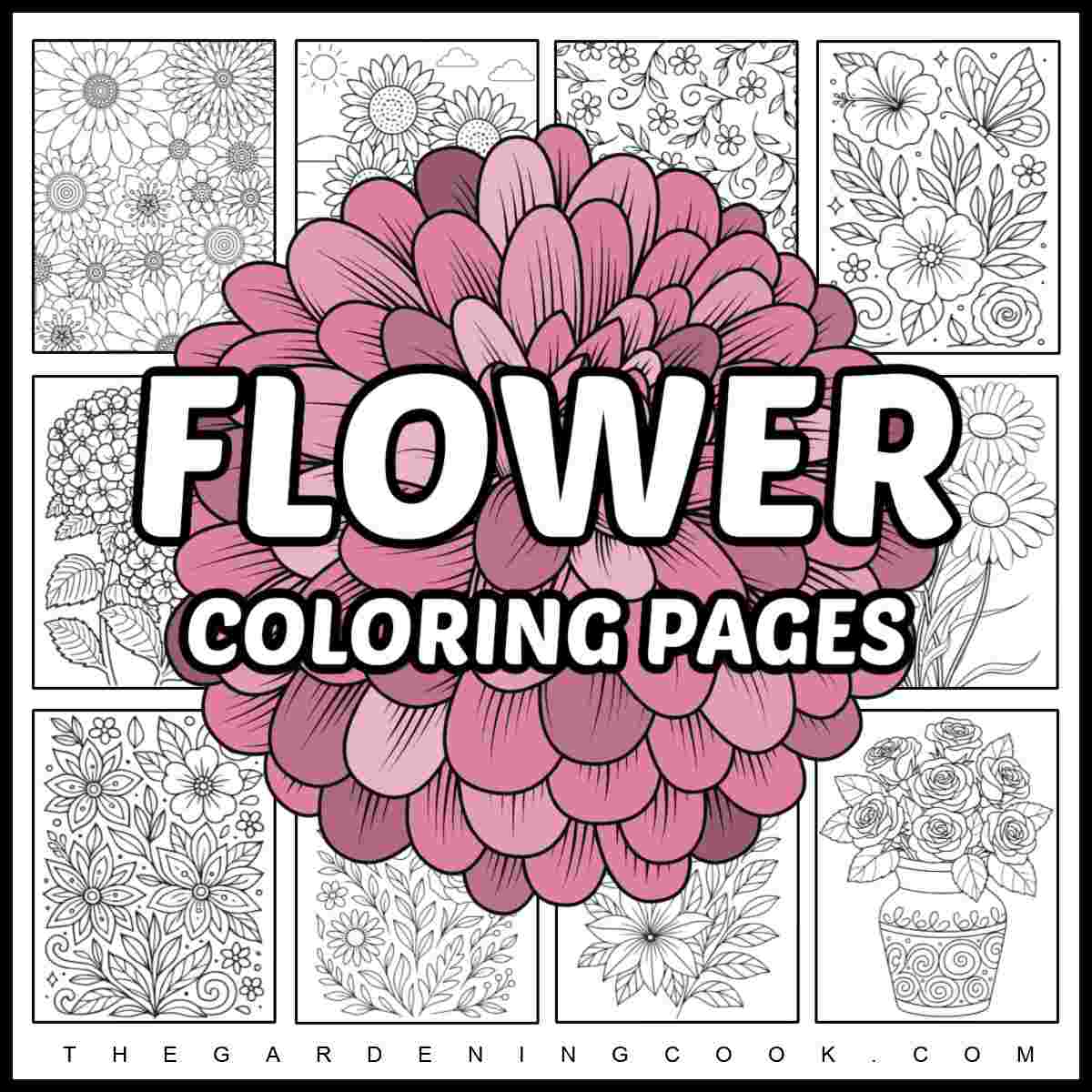

You clicked looking for flower coloring sheets—but did you know that the simple act of coloring flowers activates the same relaxation response as meditation? In our busy world, taking 15-30 minutes to color intricate flower designs lowers cortisol levels, improves focus, and provides a screen-free escape. Whether you’re managing anxiety, looking for a mindful activity, or seeking something creative to do with kids, understanding how to set up and practice flower coloring transforms it from a casual pastime into a genuine wellness ritual.
How to Practice Mindful Flower Coloring for Maximum Calm
Flower coloring works best when approached as a deliberate practice rather than rushed activity. Follow these steps to create a restorative coloring experience that genuinely reduces stress.
What You Will Need
- Flower coloring sheets (printed on medium-weight paper, ideally 80-100 gsm weight)
- Coloring tools (colored pencils, markers, or watercolors—each creates different effects)
- A comfortable seating space with natural or soft lighting
- Optional: a reference image of real flowers for color inspiration
- A timer or quiet music to establish your coloring session length
- A flat, smooth surface like a desk, clipboard, or lap desk for support
Steps
Create a Dedicated Coloring Space
Choose a quiet area away from screens and distractions. Ensure your lighting is bright enough to see details but not harsh—natural window light or a warm lamp works best. Arrange your coloring tools within arm’s reach so you’re not hunting for supplies mid-session. This environmental setup signals to your brain that you’re entering a calm, intentional activity rather than filling idle time.
Select Your Coloring Tools Intentionally
Different tools produce different meditative experiences. Colored pencils require more focus and control, naturally slowing your pace and deepening relaxation. Markers are faster and more energetic. Watercolors add a fluid, flowing element. Choose based on your mood—if you’re anxious, slower tools help; if you’re restless, faster options channel energy productively.
Print Your Flower Sheets on Quality Paper
Standard copy paper works, but slightly thicker paper (80-100 gsm) feels more substantial and handles coloring tools better without buckling or tearing. For pencil work, slightly textured paper grips color better. Print several designs at once so you can flow between sheets without stopping to print more—continuity extends your calm state.
Start with Outline Observation
Before coloring, spend 30 seconds just looking at the flower design. Notice the petal shapes, stamen details, and leaf structures. This observation phase engages a different part of your brain than coloring itself, creating a gentle transition into mindfulness. It also helps you plan your color choices.
Color Slowly and Without Judgment
The goal isn’t a finished masterpiece—it’s the process itself. Color slowly, allowing your mind to focus entirely on the motion, the color choices, and the gradual transformation of the page. Let go of perfectionism. Imperfect, flowing coloring is actually more meditative than rigid, perfect work.
Use a Reference Photo for Inspiration, Not Obligation
Keep a real flower photo or nature image nearby if you’d like guidance on realistic colors. However, treating it as inspiration rather than rules keeps the activity playful. Unconventional color choices (purple roses, blue tulips) often feel more creative and personally satisfying.
End Your Session with Intention
Rather than stopping abruptly, set a timer for 20-30 minutes. When time ends, pause and notice how you feel. Take three deep breaths while looking at your completed sheet. This ritual closing reinforces the meditative benefit and creates a satisfying endpoint to your calm practice.
- Store completed sheets in a portfolio or frame a few—seeing your work displayed reinforces positive feelings and motivates future sessions
- Rotate between different flower types (mandalas, botanical designs, simple outlines) to match different moods and energy levels
- Use this as a screen-free wind-down 30 minutes before bed to improve sleep quality
What to Look For in Coloring Tools for Flower Sheets
- Blendability and Layering: The best coloring tools allow you to layer colors smoothly. Pencils with good pigment create soft gradients; markers blend less but deliver vibrant color. Test how the tool layers when pressed lightly versus firmly.
- Paper Compatibility: Some tools (like markers) bleed through thin paper, while others (pencils) work on any surface. Match your tool to typical paper weight—pencils on regular paper, markers on thicker cardstock, watercolors on watercolor-specific sheets.
- Comfort and Grip: For extended coloring sessions, ergonomic grip design prevents hand fatigue. Thicker pencils and markers naturally distribute pressure better than thin tools. Test the weight and balance in your hand before buying.
- Color Range and Quality: More colors expand creative possibilities, but quality matters more than quantity. True, vibrant pigments applied lightly create better results than dull, chalky colors. Prioritize quality sets with 24-48 colors over budget sets with 100 mediocre hues.
Prismacolor Premier Colored Pencils Set of 72
Best for: Serious coloring enthusiasts seeking professional-grade color layering
Prismacolor’s soft-core pencils are the gold standard for fine art coloring. With 72 true, blendable colors and buttery smooth application, they enable sophisticated color transitions and layering that enhance flower details. The pencils apply evenly without harsh lines, making them ideal for intricate botanical designs. Perfect for extended sessions where comfort and color quality matter most.
Check Current Price on Amazon →Cra-Z-Art Timeless Creations Colored Pencils Set of 50
Best for: Budget-conscious beginners exploring flower coloring without premium investment
This accessible 50-piece set delivers solid color performance at a fraction of premium prices. Pencils apply smoothly enough for satisfying shading and blending on flower designs, with a decent range covering pastels, primaries, and earth tones. While not professional-grade, they’re more than adequate for meditative coloring practice and work perfectly for casual weekly sessions.
Check Current Price on Amazon →Shuttle Art Dual Tip Markers Set of 60
Best for: Newcomers preferring quick, bold color coverage with minimal learning curve
Twin-tip markers combine a fine point and broad chisel tip, giving beginners instant versatility without technique mastery. The 60-color set covers florals beautifully with vibrant, opaque coverage. Markers dry quickly and require less pressure control than pencils, reducing hand fatigue during first sessions. Great for kids and adults new to coloring who want immediate visual gratification.
Check Current Price on Amazon →Faber-Castell Polychromos Colored Pencils Set of 60
Best for: Advanced colorists seeking museum-quality permanence and light-fastness
Faber-Castell’s oil-based cores deliver unmatched color saturation and permanence—your colored sheets won’t fade for decades. The 60-color range includes sophisticated pastels ideal for realistic flower rendering. These pencils balance hardness and softness perfectly for both fine detail work and smooth blending. The premium price reflects professional-quality pigments and archival longevity.
Check Current Price on Amazon →Transform Flower Coloring Into Your Daily Calm Practice
Flower coloring sheets aren’t just a casual activity—they’re a scientifically-backed stress management tool that costs almost nothing to practice. By investing 20-30 minutes weekly with quality tools and intentional focus, you create a powerful circuit-breaker from digital overstimulation. The key is consistency and permission to enjoy the process messily. Imperfect flowers colored slowly beat flawless flowers rushed. Start with whatever pencils or markers you have at home, download free sheets, and commit to one session this week.
Once you discover how deeply restorative flower coloring feels, upgrade your tools gradually. A set of quality colored pencils ($30-60) will outlast years of weekly sessions, becoming more economical than coffee runs or streaming subscriptions. The meditative practice of choosing colors, observing details, and moving your hand slowly across paper rewires your nervous system toward calm. In a world optimized for speed, flower coloring is radical slowness—and that’s precisely why it works.
Frequently Asked Questions
Will colored pencil marks smudge or rub off my finished flower coloring sheets?
Quality colored pencils, especially wax or oil-based formulas like Prismacolor or Faber-Castell, adhere well and rarely smudge with normal handling. To minimize marking, avoid dragging your palm across completed work and store sheets flat or upright. If using budget pencils, a light fixative spray ($8-12) locks color permanently.
What paper weight is best for flower coloring sheets?
Medium-weight paper (80-100 gsm) balances durability with print affordability. It handles colored pencils beautifully without buckling, and won’t tear when you apply moderate pressure. Standard 20 lb copy paper (75 gsm) works acceptably for pencils; use thicker cardstock (110+ gsm) if applying markers or watercolors.
How long should a typical flower coloring session be for stress relief?
Research suggests 20-30 minutes is optimal for measurable relaxation benefits. Shorter sessions (10-15 minutes) still help but may feel rushed. Beyond 45 minutes, diminishing returns set in as focus naturally wanes. Listen to your body—stop when you feel satisfied rather than exhausted.
Can I color flower sheets with watercolors instead of pencils or markers?
Absolutely. Watercolors create beautiful, flowing effects perfect for flower petals. Use watercolor-specific paper (140 gsm minimum) to prevent buckling, and download sheets designed for water media—lines should be dark and distinct to remain visible when wet. Watercolor coloring requires slightly more skill but feels extremely meditative.
Should I laminate my printed flower coloring sheets to reuse them with dry-erase markers?
Yes, lamination is excellent for reusable coloring practice. It allows repeated coloring sessions on the same sheet with dry-erase or wet-erase markers, reducing paper waste. Use a home laminator ($25-40) or visit a print shop. However, this works best with markers, not pencils, since pencil marks won’t erase cleanly.
As an Amazon Associate, Build & Bloom earns from qualifying purchases. We only recommend products we genuinely think are useful. Prices and availability vary; check Amazon for the latest.
Leave a Reply