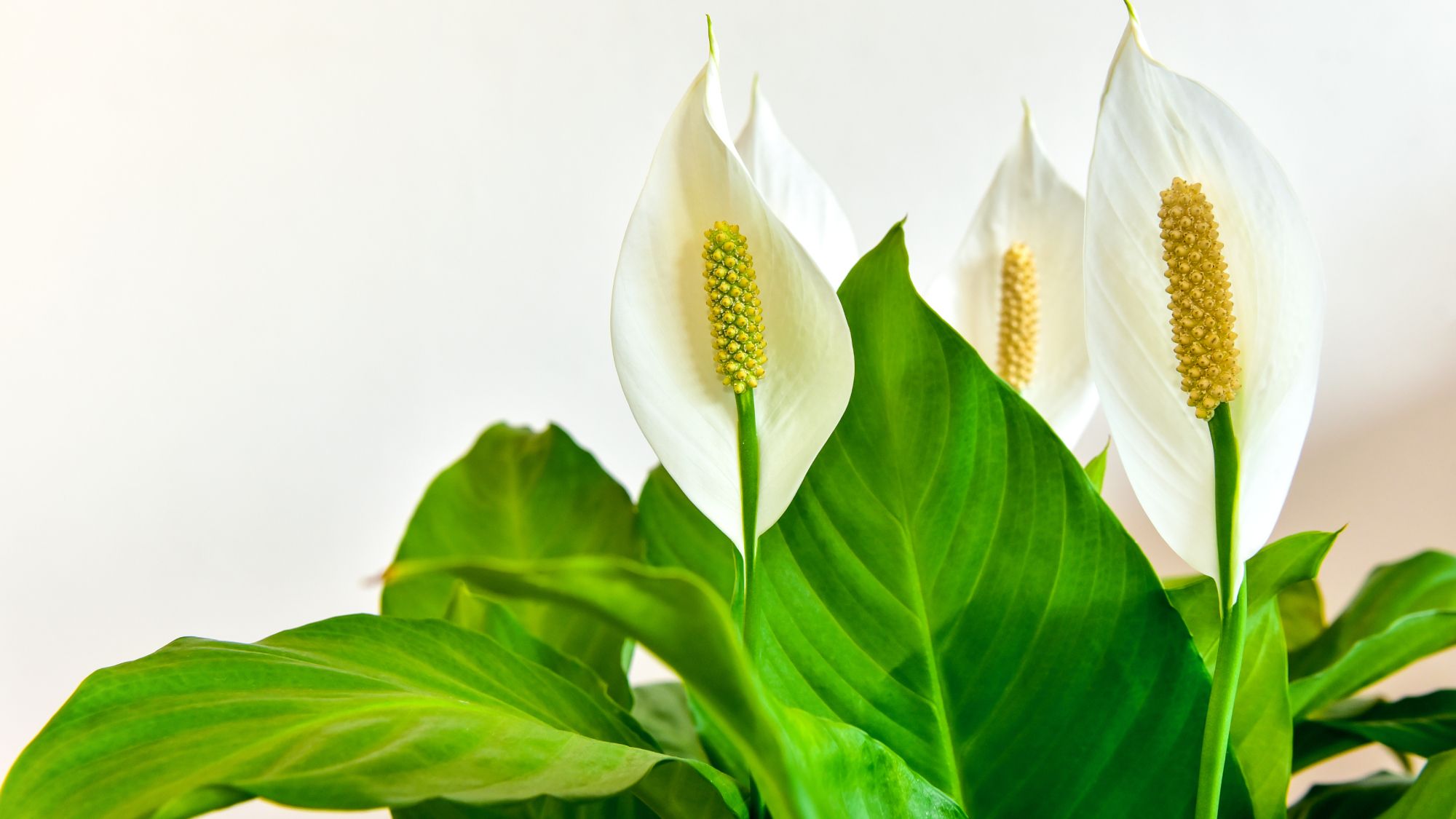

You’ve been tending your peace lily all spring, but if you want it flowering from summer through winter, there’s one critical maintenance task most gardeners miss in May. By the end of this month, your peace lily enters its peak growing season–and that’s exactly when strategic pruning pays off. A few thoughtful cuts now will stimulate branching, remove energy-draining spent flowers, and set your plant up for months of continuous blooms. Here’s exactly what to do.
How to Prune Your Peace Lily in Late May for Year-Round Blooming
Peace lilies respond beautifully to pruning at the tail end of spring. By removing spent flower spathes and selectively cutting back stems, you redirect the plant’s energy into producing new growth and flowers rather than maintaining old blooms.
What You Will Need
- Sharp pruning shears or garden scissors (sterilized with rubbing alcohol)
- Clean cloth or paper towels for wiping blades between cuts
- Small spray bottle filled with water for misting after pruning
- Optional: rooting hormone powder if you plan to propagate cuttings
Steps
Inspect Your Plant and Identify Spent Flowers
Examine your peace lily carefully in good light. Look for flower spathes (the white, waxy spathe that surrounds the flower spike) that have turned green or brown and no longer look crisp. These spent flowers are no longer producing new blooms and are drawing energy from the plant. Mark mentally which ones need removal.
Remove All Spent Flower Spathes
Using your sterilized pruning shears, cut spent spathes where the stem meets the base of the flower. Make clean, angled cuts close to where the spathe attaches to the main stem. This prevents disease and allows the plant to direct resources toward new growth. Wipe your shears with a clean cloth between each cut to prevent spreading any pathogens.
Cut Back Leggy or Overgrown Stems
Look for long, thin stems with sparse foliage or stems that have grown tall without branching. Cut these stems back by one-third to one-half their height, making cuts just above a node or leaf joint. This pruning forces the plant to branch out, creating a fuller, bushier form that produces more flowers overall.
Remove Any Dead or Yellowing Leaves
While you’re pruning, remove any leaves that are completely yellow, brown, or showing signs of disease or damage. These leaves are no longer contributing to photosynthesis and are simply draining plant resources. Cut them off at the petiole, where the leaf stem meets the main plant stem.
Clean Up and Mist Your Plant
Remove all cut plant material from around the base of your peace lily and dispose of it. After pruning, lightly mist the remaining foliage with water from a spray bottle. This removes any dust that accumulated during the process and helps the plant recover from pruning stress.
Adjust Watering and Monitor Growth
For the two weeks following pruning, keep your peace lily consistently moist but not waterlogged. The plant is actively responding to your cuts by producing new growth, and adequate moisture supports this process. You should see new buds forming within 3-4 weeks if conditions are right.
- Time your pruning for late evening or an overcast day to minimize stress on the plant, as it won’t be exposed to bright direct light immediately after cutting.
- Peace lilies bloom more prolifically with bright, indirect light and consistent warmth above 65 degrees Fahrenheit–ensure your plant has these conditions after May pruning to maximize flowering.
- Save healthy 4-6 inch cuttings from pruning to propagate new plants in water or moist soil; peace lilies root easily and give you free plants while you shape the original.
What to Look For in Peace Lily Pruning Tools
- Blade Sharpness and Material: Sharp, stainless steel blades make cleaner cuts that heal faster and reduce disease transmission. Dull blades crush plant tissue, creating entry points for pathogens. Look for pruners labeled ‘bypass’ style, which work like scissors and cut cleanly.
- Handle Comfort and Size: Ergonomic handles reduce hand fatigue, especially important if you have multiple plants to prune. Choose pruners that fit comfortably in your hand and have cushioned grips to prevent blistering during extended use.
- Sterilization Capability: The best pruning tools allow easy cleaning between cuts. Look for pruners with removable blades or designs that don’t trap plant debris. Stainless steel construction resists rust and wipes clean easily with rubbing alcohol.
- Cutting Capacity and Precision: For peace lilies, you need pruners that make clean cuts on stems ranging from thin petioles to quarter-inch diameter branches. Look for adjustable cutting head options or dual-purpose pruners that handle both delicate and thicker stems accurately.
Fiskars Softouch Bypass Pruning Shears
Best for: Gardeners who want reliable, comfortable pruning for houseplants and soft-stemmed perennials
The Fiskars Softouch bypass pruners are the gold standard for indoor gardeners. Their sharp stainless steel blades slice cleanly through peace lily stems and spent flower spathes without crushing tissue. The lightweight design and soft-grip handles reduce hand fatigue during detailed work, while the bypass mechanism works like scissors for precision cuts. These pruners are easy to sterilize between cuts and maintain their edge through years of regular use.
Check Current Price on Amazon →Utopia Care Garden Pruning Shears
Best for: Budget-conscious plant parents with multiple houseplants needing regular pruning
Utopia Care pruning shears deliver solid performance without the premium price tag. The stainless steel blades stay sharp enough for peace lily work, and the lightweight aluminum handles are comfortable for extended use. While not quite as refined as luxury options, these shears cut cleanly and are simple to clean and sterilize between uses. Many gardeners buy pairs to keep at different locations around their homes.
Check Current Price on Amazon →Corona ClassicCut Bypass Pruner
Best for: New gardeners who want forgiving tools that are hard to damage and simple to maintain
Corona’s ClassicCut design is perfect for beginners because it’s nearly impossible to misuse. The blade geometry is forgiving even if your cutting angle isn’t perfect, and the pruner still produces clean cuts. The stainless steel construction resists corrosion from inconsistent maintenance, and replacement blades are inexpensive if the originals ever dull. The moderate price and excellent warranty make this a low-risk entry into proper plant care.
Check Current Price on Amazon →ARS HP-VS8Z Japanese Pruning Shears
Best for: Serious gardeners and plant collectors who demand precision and longevity
ARS HP-VS8Z pruners represent the pinnacle of pruning tool engineering. Forged from Japanese high-carbon stainless steel, these shears hold an edge longer than any other option and cut with surgical precision. The ergonomic design distributes pressure evenly across your hand, eliminating fatigue even during extended pruning sessions. While expensive, many experienced gardeners consider these an investment that pays dividends across decades of plant care, making the cost-per-use negligible.
Check Current Price on Amazon →Make Your Peace Lily a Year-Round Blooming Machine
The secret that separates gardeners with year-round peace lily flowers from those with occasional blooms is simple: strategic May pruning. By removing spent flower spathes and cutting back leggy stems before the plant enters its summer growth surge, you’re not damaging your plant–you’re sending it a clear signal to branch out and produce more flowers. This timing matters because May coincides with natural temperature increases and longer days, which activate your peace lily’s reproductive instincts. A 10-minute pruning session with proper tools sets up months of continuous blooms.
Invest in quality bypass pruning shears now, and they’ll serve you across decades of houseplant care. Whether you choose the reliable Fiskars Softouch for everyday use or the premium ARS for perfectionist precision, having one good pair of pruners makes the difference between hesitant first attempts and confident, regular maintenance. Start with your peace lily in late May, see the explosion of new growth and flowers in June, and you’ll be hooked on the power of strategic pruning for all your houseplants.
Frequently Asked Questions
When exactly should I prune my peace lily in May?
The last week of May is ideal, as temperatures are warming and your peace lily is entering its strongest growth phase. If you live in a cooler climate, waiting until early June is fine. Avoid pruning during the first two weeks of May, as the plant may still be recovering from spring adjustments in light and water.
Will pruning hurt my peace lily or delay flowering?
Strategic May pruning actually accelerates flowering within 3-4 weeks by stimulating branching. However, avoid heavy pruning; remove only spent spathes and cut back the longest stems by one-third. The plant responds to minor pruning stress by investing energy in new growth and flowers rather than maintaining existing structure.
Can I propagate the cuttings from my peace lily pruning?
Yes! Peace lilies propagate easily from 4-6 inch stem cuttings. Place cuttings in distilled water or moist potting soil, keep them warm and humid, and roots will develop in 2-3 weeks. This is a free way to multiply your plant while you reshape the original specimen.
What conditions do I need after pruning for my peace lily to bloom continuously?
Peace lilies bloom best in bright, indirect light (near an east or north window), consistent temperatures between 65-75 degrees Fahrenheit, and consistently moist but not soggy soil. Maintain humidity around 50% and fertilize every 4-6 weeks during the growing season. These conditions combined with May pruning should produce flowers nearly year-round.
Should I use fertilizer after pruning my peace lily?
Wait one week after pruning before fertilizing, allowing the plant to recover from pruning stress. Then apply a balanced, water-soluble houseplant fertilizer diluted to half strength every 4 weeks. The combination of pruning and gentle feeding signals the plant to invest heavily in new growth and flowering.
As an Amazon Associate, Build & Bloom earns from qualifying purchases. We only recommend products we genuinely think are useful. Prices and availability vary; check Amazon for the latest.
Leave a Reply