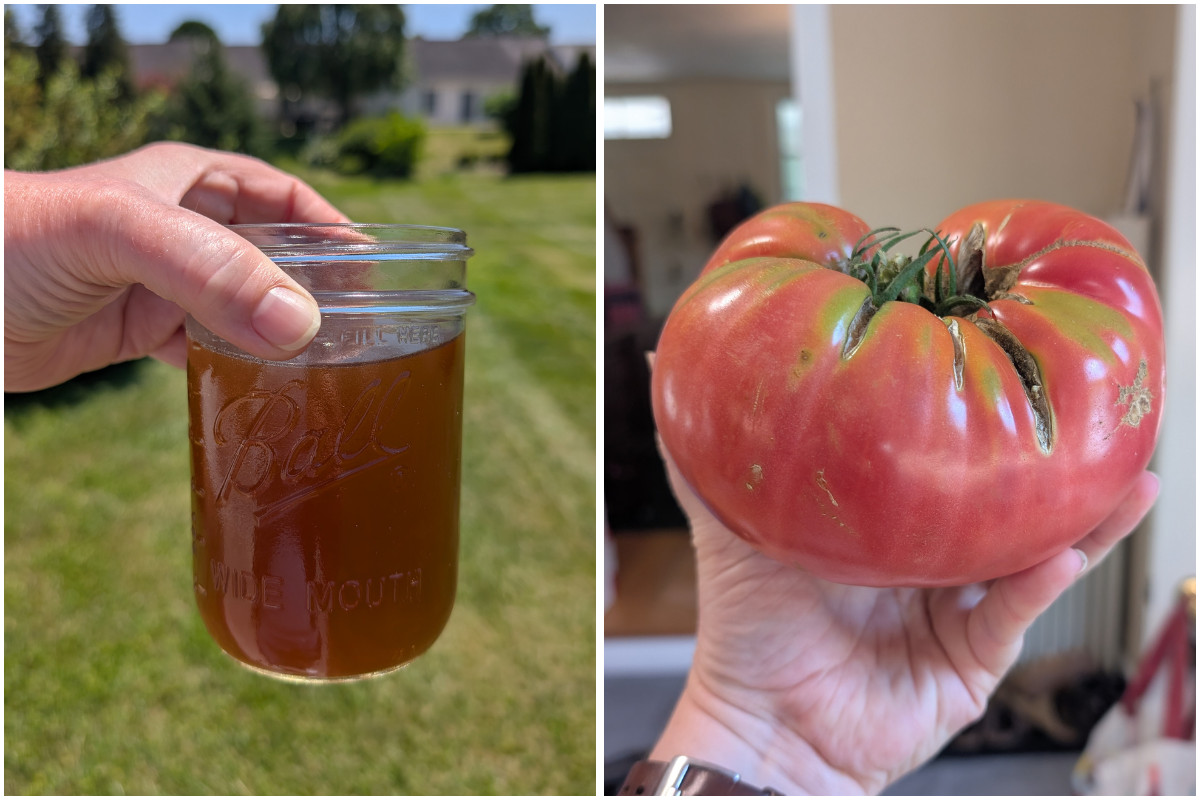

You’ve planted your tomatoes and they’re growing, but you’re not sure what to feed them to get those big, flavorful harvests everyone talks about. The truth is, tomato nutrition isn’t one-size-fits-all–it changes as your plants move through different growth stages. Understanding what your plants actually need at each phase transforms them from struggling vines into prolific producers loaded with sweet fruit.
How to Feed Tomatoes for Maximum Growth and Fruit Production
A successful tomato feeding program matches nutrient ratios to your plant’s current needs. Follow this timeline throughout the growing season for consistent results.
Materials and Fertilizer Types Needed
- Balanced fertilizer (10-10-10 or similar) for initial application at planting
- High-nitrogen fertilizer (higher first number) for vegetative growth phase in early summer
- Low-nitrogen, higher phosphorus and potassium fertilizer (5-10-10 or similar) for flowering and fruiting
- Measuring cup or scale for accurate dosing
- Watering can or sprayer for liquid applications
- Garden gloves for handling dry amendments
Feeding Steps
Prepare Soil Before Planting
Mix a balanced fertilizer into the planting hole or top 6 inches of soil 1-2 weeks before transplanting seedlings. This creates a nutrient foundation that feeds your plants’ roots as they establish. Use about 1-2 tablespoons per planting hole, or follow package directions for your soil area.
Apply Initial Fertilizer at Transplant Time
When moving seedlings into the garden, apply a diluted liquid fertilizer or granular slow-release formula around the base of each plant. This gives transplants an immediate nutrient boost to recover from transplant shock and encourages strong root development in their new home.
Feed for Vegetative Growth in Early Summer
For the first 4-6 weeks after planting, use a higher-nitrogen formula to encourage leaf and stem development. Feed every 2-3 weeks using either diluted liquid fertilizer poured around the base or dry granules scratched into the soil surface and watered in. Nitrogen supports the robust foliage your plant needs before flowering begins.
Switch to Flowering Formula When Buds Appear
As soon as you see flower clusters forming, transition to a phosphorus and potassium-rich formula. These nutrients redirect energy away from unnecessary leaf growth and toward flower and fruit development. This usually occurs 6-8 weeks after planting, depending on your variety and climate.
Maintain Regular Feeding Through Fruit Production
Continue the phosphorus-rich fertilizer every 2-3 weeks throughout the flowering and fruiting phase. Water thoroughly before applying granular fertilizer to avoid root burn, and keep fertilizer several inches away from the main stem. Consistent feeding during this period prevents nutrient deficiencies that cause problems like blossom end rot.
Reduce Feeding as Season Winds Down
In late summer, as temperatures rise and fruit production slows naturally, cut feeding frequency to once monthly or stop entirely. Over-feeding late in the season can push excessive foliage growth at the expense of ripening fruit, and can also delay plant senescence when you want fruit to mature.
Monitor Plant Appearance and Adjust
Watch for signs of nutrient imbalance: yellowing lower leaves suggest nitrogen deficiency, purple-tinged foliage indicates cold or phosphorus issues, and sparse flowering suggests your nitrogen is too high. Adjust your feeding schedule based on what your plants show you, rather than strictly adhering to a calendar.
- Water plants deeply 1-2 days before fertilizing to ensure nutrients can be absorbed efficiently and reduce risk of fertilizer burn on dry soil.
- Keep a simple garden journal noting feeding dates and plant response–this creates a personalized feeding plan based on YOUR climate and soil, not generic advice.
- Alternate between liquid and granular fertilizers every other feeding to supply nutrients at different rates and improve overall nutrient availability throughout the season.
What to Look For in Tomato Fertilizers
- NPK Ratio Appropriate to Growth Stage: The three numbers on fertilizer packages represent nitrogen (N), phosphorus (P), and potassium (K). For vegetative growth, choose higher first numbers (like 10-5-5). For flowering and fruiting, reverse this to higher middle and last numbers (like 5-10-10). Matching the ratio to your plant’s current needs is more important than the overall fertilizer cost.
- Slow-Release vs. Liquid Options: Granular slow-release fertilizers feed plants gradually over weeks and require less frequent applications, making them convenient for busy gardeners. Liquid fertilizers work faster and let you adjust strength, but need application every 2-3 weeks. Many successful growers use both: slow-release for baseline nutrition and liquid for quick corrections when plants show deficiency symptoms.
- Organic vs. Synthetic Formulations: Organic fertilizers like fish emulsion, kelp, and compost-based products release nutrients slowly and build soil structure over time. Synthetic fertilizers work immediately and precisely but don’t improve soil long-term. Your choice depends on whether you prioritize fast results or sustainable soil health–there’s no wrong answer, only different gardening philosophies.
- Micronutrient Inclusion: Beyond NPK, tomatoes need calcium, magnesium, sulfur, and trace minerals like boron and zinc. Look for fertilizers that list these secondary and micronutrients on the label, or plan to supplement separately with products like Epsom salt (magnesium) and kelp spray (trace minerals) to prevent deficiency-related problems like blossom end rot.
Miracle-Gro Tomato Plant Food (18-24-16)
Best for: Gardeners wanting consistent fruit production with minimal guesswork
This water-soluble fertilizer is specifically formulated for tomatoes with a nutrient ratio that supports both flowering and fruiting. The 18-24-16 formula emphasizes phosphorus and potassium during peak production season, delivering nutrients directly to plant roots within days. It dissolves completely in water, mixes easily, and reaches plants fast when you need nutrient boosts. Most gardeners apply every 2 weeks during the growing season for reliable, bountiful harvests without the expense of specialty products.
Check Current Price on Amazon →Espoma Organic Tomato-tone Granular Fertilizer (5-3-4)
Best for: Organic gardeners and those building soil long-term
This granular organic fertilizer contains natural ingredients like feather meal, bone meal, and kelp to support tomato growth while improving soil structure over time. The 5-3-4 ratio is gentler than synthetic options, making it forgiving for beginners who worry about over-feeding. You scratch it into soil every 4-6 weeks, which means fewer applications than liquid options. The added mycorrhizae and beneficial microbes enhance nutrient uptake and root health throughout the season.
Check Current Price on Amazon →Jobe’s Organics Vegetable Fertilizer Spikes (2-7-4)
Best for: First-time gardeners who want simple, mess-free feeding
These pre-measured fertilizer spikes eliminate guesswork by delivering consistent nutrition directly where plants need it. You simply push spikes into soil near the plant base, water, and spikes gradually release nutrients over weeks. The 2-7-4 formula supports flowering and fruiting without requiring mixing or measuring. Spikes are organic and won’t burn roots if accidentally touched, making them ideal for container tomatoes and those gardening with children or pets.
Check Current Price on Amazon →Dr. Earth Natural Wonder Fruit Tree Fertilizer (6-2-6)
Best for: High-performance gardeners seeking premium organic nutrition
This premium organic formula combines ecto and endomycorrhizae with soil microbes and humic acid to maximize nutrient availability and plant vigor. The 6-2-6 ratio supports both growth and fruiting with sustained energy throughout the season. It’s granular but bio-available quickly, bridging the gap between slow-release organic and fast-acting synthetics. Premium pricing reflects the inclusion of beneficial biology that improves soil health for years of future gardening.
Check Current Price on Amazon →Start Your Tomato Feeding Program This Week
The secret to abundant tomato harvests isn’t found in expensive specialty products or complicated schedules–it’s understanding that your plant’s nutritional needs change as it grows. By matching your fertilizer formula and feeding frequency to where your tomato is in its lifecycle, you’re working with plant biology instead of guessing. Start with a balanced fertilizer at planting, switch to higher phosphorus and potassium once flowers appear, and adjust based on what your plants actually show you. Keep notes this season so next year you can start with a proven plan tailored to your garden’s specific conditions.
Whether you choose organic granules, water-soluble synthetics, or convenient fertilizer spikes, consistent feeding every 2-3 weeks during the growing season is far more important than the exact product you select. Pick one from the options above that matches your gardening style and commitment level, then commit to the feeding schedule outlined here. By early August, you’ll understand why experienced tomato growers talk so much about their feeding programs–because well-fed plants simply don’t stop producing until frost arrives.
Frequently Asked Questions
Can I use the same fertilizer all season, or do I really need to switch formulas?
You can use a balanced fertilizer (like 10-10-10) all season with acceptable results, but your harvest will be noticeably larger if you switch to higher phosphorus and potassium once flowering starts. Think of it like adjusting your diet based on activity level–technically you could eat the same food always, but matching nutrition to need works better.
What’s the difference between feeding every 2 weeks versus every 3 weeks?
Every 2 weeks provides steadier, more consistent nutrition but increases total fertilizer use and cost. Every 3 weeks reduces input and expense but may cause minor nutrient dips between feedings. For most home gardeners, 2-3 weeks is the sweet spot–choose based on your soil quality (poorer soil benefits from 2-week cycles) and your schedule.
Is it better to feed more often with diluted fertilizer or less often with full strength?
Frequent dilute feeding is gentler on roots and prevents nutrient spikes that can cause problems like blossom end rot. If you have time for weekly feeding with half-strength fertilizer, that typically outperforms every-2-weeks full strength. However, the convenience factor means most gardeners prefer the less-frequent schedule and simply use manufacturer-recommended strength.
How do I know if I’m over-feeding or under-feeding my tomatoes?
Under-fed tomatoes show yellowing leaves starting at the bottom, slow growth, and sparse flowering. Over-fed plants produce excessive leaf growth with fewer flowers and small fruit–you’ll see lush green plants that refuse to fruit. A well-fed tomato balances healthy green foliage with visible flowers and developing fruit starting by mid-season.
Can I use all-purpose houseplant fertilizer on my garden tomatoes?
All-purpose formulas (like 10-10-10) work adequately on tomatoes in a pinch, but they’re not optimized for the flowering and fruiting phase when tomatoes need higher phosphorus and potassium. You’ll get better results with a tomato-specific formula, but all-purpose is better than nothing if that’s what you have available.
As an Amazon Associate, Build & Bloom earns from qualifying purchases. We only recommend products we genuinely think are useful. Prices and availability vary; check Amazon for the latest.
Leave a Reply